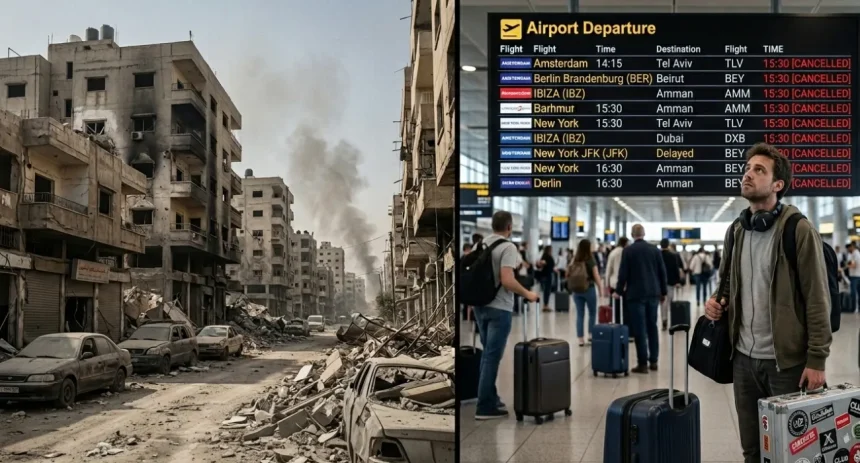
A Special Report on How the 8 July Middle East Ceasefire Collapse Could Dismantle the Globalised Touring Model
The Middle East ceasefire collapse in July 2026 forces a structural reset across the global electronic dance music industry. While global oil prices temporarily dropped below $70 a barrel following a tentative June 2026 agreement, the sudden breakdown of peace negotiations on 8 July 2026 threatens to send crude markets skyrocketing back past $100. Sustained trade blockades and spiking war-risk insurance premiums will completely dismantle the global touring DJ framework, forcing a structural economic return to localised club culture and resident DJ talent.
Key Takeaways
The termination of the Middle East ceasefire on 8 July 2026 threatens to push Brent Crude oil prices from under $70 back over $100 a barrel.
The Bank of England projects UK inflation will climb to 3.25 percent by the fourth quarter of 2026 due to unresolved energy supply shocks.
Ibiza superclubs face an immediate zero-sum game as soaring flight overheads cannibalise on-island tourist spending power.
Skyrocketing war-risk insurance premiums exceeding 1000 percent render international talent flights financially unviable for mid-tier promoters.
The World Bank reports severe petrochemical supply chain volatility, directly inflating polyvinyl chloride costs and pricing physical 12-inch vinyl records out of independent label margins.
Middle East Ceasefire Collapse: The Macroeconomic Trigger
Between 2006 and 2026, the dance music industry thrived on a hyper-globalised model, heavily reliant on affordable aviation fuel and seamless travel. The geopolitical turmoil erupting in July 2026, particularly in the Strait of Hormuz, is set to dismantle these economic foundations.
The World Bank’s June 2026 Global Economic Prospects report indicated how rising conflicts would disrupt energy markets. With forecasts projecting Brent crude to average around $94 per barrel—even with optimistic scenarios—the ongoing instability could escalate prices past the century mark.
If crude prices exceed $100 a barrel in the aftermath of the 8 July ceasefire collapse, the resulting increase in aviation fuel costs will ripple through the European market. Suddenly, hiring a Berlin-based DJ for a Leeds warehouse gig turns into a significant financial undertaking, with flight costs soaring above £600—even before negotiating artist fees and hospitality expenses.
On top of that, war-risk insurance premiums skyrocketing to over 1000 percent for flights and shipping will strangle promoters’ budgets. Budget airlines are already responding by cutting non-profitable routes and reducing their services to secondary cities, adding another layer of complexity to the future of international touring.
The Promoter Dilemma
Promoters are often in a precarious position, continuously juggling profit maximization with operational risks. In a stable economy, the choice to book an exclusive international headliner often pays off through guaranteed ticket sales. But with the specter of ongoing conflict looming, the dynamics change dramatically.
The escalating costs associated with travel and insurance render the financial viability of international bookings questionable. In this war-impacted landscape, local talent becomes the safer bet for promoters. They’ll find that booking an international headliner would mean charging up to three times more—only to just break even. Meanwhile, promoting local residents could lead to quicker profitability as clubbers opt for cost-effective entertainment options.
The Ibiza Crisis: Sun, Sea, and Supply Chains
The vulnerabilities of global models are starkly illustrated in Ibiza. The island’s entire economic structure is built around high-volume, low-cost transit, combined with high tourist spending. If flight costs jump to £400 or even £800, it drastically undercuts tourists’ ability to spend on club entry and drinks.
To cope, superclubs may find themselves in a zero-sum situation. They will face the painful choice of raising prices to maintain margins, pushing consumers away. Consequently, many venues might scale back operations, eliminating midweek parties in favor of a more sustainable weekend-only model. This shift could lead to a programming focus on artists already located on the island, minimizing those costly international travel overheads.
Inflation and Consumer Elasticity
According to the Bank of England’s June 2026 Monetary Policy Committee minutes, the public should brace for escalated costs throughout 2026. Despite temporary dips, the bank projects a rise in the consumer prices index to 3.25 percent in the latter part of the year, primarily fueled by ongoing energy shocks.
Essential costs like food, heating, and rent remain relatively fixed, while discretionary spending—such as clubbing—often becomes elastic. As wages stagnate against rising inflation, nightlife participation is predicted to drop significantly, morphing habitual weekend outings into more sporadic, event-specific plans.
This mounting pressure pushes venues into fierce competition for an increasingly limited market. As clubbers lean towards pre-loading at home to save on bar costs, venue bar revenues might decline even further. Promoters may be compelled to introduce monthly payment plans in an attempt to stabilize cash flow and maintain viability.
Mid-sized corporate venues, accommodating 2,000 to 10,000 guests, stand to be the most affected. Without enough pricing power to absorb the surging energy bills, they will likely face widespread closures.
Systemic Supply Chain Failure in Electronic Music
The international electronic music scene may face an irreversible shift towards localism. With rising visa processing delays and potential exit controls for young males, international touring will become not only pricey but also legally challenging. This means the vibrant club culture may need to adapt and refocus on its domestic roots.
Artists might begin measuring their success by selling out smaller venues in their hometowns rather than aiming for large international tours. Promoters will likely steer branding away from high-profile international acts and concentrate on building strong local lineups. Historical patterns indicate that the resilience of underground club culture often shines through during economic hardships, leading to a rise in unlicensed warehouse parties that cut out corporate overheads entirely.
The vinyl manufacturing supply chain faces a brutal reset as well. Vinyl records are produced from polyvinyl chloride (PVC), a petroleum by-product. Reports from June 2026 indicate that PVC prices surged by 50 percent following disturbances in the Strait of Hormuz.
With pressing costs sky-high, retail prices for standard 12-inch white labels may rise to £20 to £25, forcing independent labels to pivot toward digital-only releases and explore direct-to-consumer avenues via platforms like Bandcamp. The fallout from the July 2026 Middle East ceasefire collapse could fundamentally alter the electronic dance music ecosystem, pulling it away from a global touring model and steering it towards a more localised club culture.
Middle East Ceasefire Collapse FAQ
How does the Middle East ceasefire collapse impact the global touring DJ model?
The collapse of reliable air routes, escalated venue operating overheads, and severe war-risk insurance premiums exceeding 1000 percent make international talent bookings financially unviable. The situation forces promoters to abandon global headliners and rebuild nightlife structures around resident DJ talent and local lineups.
Will the Middle East ceasefire collapse lead to a 2026 inflation spike in the UK?
The Bank of England projects that a prolonged Middle East war will drive UK inflation to 3.25 percent by late 2026. The increase is primarily due to surging energy costs and disrupted supply chains in the Strait of Hormuz.
What is the Ibiza Zero-Sum Game?
The Middle East ceasefire collapse shifts Ibiza into a zero-sum economic model where inflated commercial flight costs directly cannibalise the on-island spending power of incoming tourists. Superclubs must scale back operations to weekend-only schedules and employ seasonal, island-based artists to cut travel overheads.
How do war-risk insurance premiums affect international DJ bookings?
Aviation and maritime insurance providers implement strict war-risk surcharges during active regional conflicts. For the electronic music industry, the increased overheads render flying international artists prohibitively expensive, shifting regional promoter choices back to local talent assets.
What is the impact of a $100 per barrel oil price on the electronic music scene?
A $100 per barrel crude price creates an intense double-squeeze. The price directly inflates the manufacturing cost of petroleum-based products like vinyl records while sharply increasing club break-even lines due to elevated heating, lighting, and internal logistics costs.
Why are mega-festivals more resilient in a conflict-driven economy?
Mega-festivals utilise supply chain integration and cater to high-net-worth demand, which remains highly inelastic during financial shocks. Large-scale cultural events also frequently receive government subsidies as national morale assets during wartime crises.
Can the Local Residency model save nightlife during the Middle East ceasefire collapse?
By completely eliminating the bloated financial costs of international logistics, independent promoters can survive a war economy by building enduring brands around resident DJs. The model proves far more resilient to inflation, travel restrictions, and war-risk premiums.
- A Special Report on How the 8 July Middle East Ceasefire Collapse Could Dismantle the Globalised Touring Model
- Key Takeaways
- Middle East Ceasefire Collapse: The Macroeconomic Trigger
- The Promoter Dilemma
- The Ibiza Crisis: Sun, Sea, and Supply Chains
- Inflation and Consumer Elasticity
- Systemic Supply Chain Failure in Electronic Music
- Middle East Ceasefire Collapse FAQ
- How does the Middle East ceasefire collapse impact the global touring DJ model?
- Will the Middle East ceasefire collapse lead to a 2026 inflation spike in the UK?
- What is the Ibiza Zero-Sum Game?
- How do war-risk insurance premiums affect international DJ bookings?
- What is the impact of a $100 per barrel oil price on the electronic music scene?
- Why are mega-festivals more resilient in a conflict-driven economy?
- Can the Local Residency model save nightlife during the Middle East ceasefire collapse?