
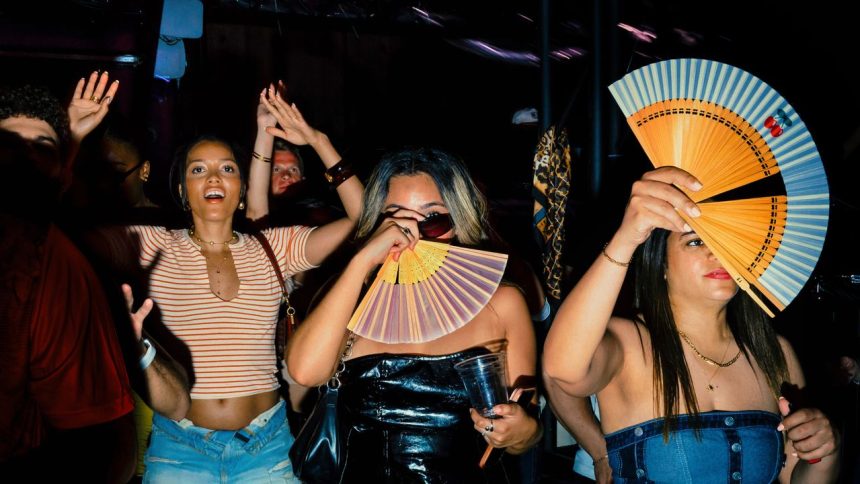
In the realm of nightlife, few experiences can rival the electric atmosphere of a late-night dance party. As the watchful crowd begins to congeal into a sea of swaying bodies under pulsating lights, the anticipation becomes palpable. Such was the scene when Rampa took to the decks a bit before 1 a.m. at Pacha, a well-known venue that encapsulates the essence of club culture. The atmosphere was a rich tapestry of individuals—some serious dancers lost in their rhythms, others clad in basketball jerseys celebrating the joy of the moment, and couples enjoying the intimacy of the dance floor. This setting is the backdrop for a musical journey, one that Rampa curates with an artist’s touch.
Rampa’s decision to bring Prospa along—an English duo celebrated for their infectious club hits—sets the stage for an evening steeped in nostalgia and euphoria. Their music harkens back to the hedonistic vibes of ’90s house, weaving a spell that draws the crowd closer together. One highlight of the night is “Say What,” a 2024 hit co-produced by Rampa that features a catchy bass line and lyrics in a playful, made-up language. The crowd enthusiastically lifts their hands and attempts to sing along, but prefer the liberating feeling of letting loose rather than adhering to precision. Rampa has a clear vision for his sets; he strives for a balance where the experience feels more like an exhilarating party than a mere concert performance.
The challenge of maintaining such a party vibe is particularly pronounced for artists like Rampa, who frequently finds himself on the roster of the world’s most popular DJs. Reflecting on his roots, Rampa reminisces about his days in Berlin’s underground scene, playing gigs in small, often precarious venues liable to be shut down at a moment’s notice. “There were no permissions and licenses, so it was very pure and honest,” he shares. Such intimacy can create profound connections among attendees, yet he acknowledges that as the audience grows, the risks associated with that ‘outlaw’ spirit increase. This dynamic poses a dilemma—how does a DJ foster a sense of freedom while ensuring the safety and enjoyment of all attendees?
In the world of nightlife, there exists a constant tension between the intimate, scrappy venues and the sprawling corporate clubs. At a more modest venue, entry might depend on a bouncer’s discretion, creating a sense of exclusivity that can heighten the evening’s thrill. On the other hand, larger establishments like Pacha champion inclusivity by allowing anyone with the means to purchase a ticket to join the festivities. This increased accessibility comes with its trade-offs; while ticket prices for shows can range from $45 for general admission to hundreds, or even thousands, for VIP experiences, the diversity of attendees creates a rich social tapestry on the dance floor.
All the while, DJs like Rampa walk a tightrope, weaving a sound that reflects the crowd’s collective energy while encouraging that blissful escape from life’s everyday worries. The magic of club culture lies not solely in the music or the venue but in the shared human experience—all while navigating the delicate balance of safety and freedom. In this light, every set becomes not just a performance, but a communal celebration that brings together strangers under the unifying force of rhythm and sound.