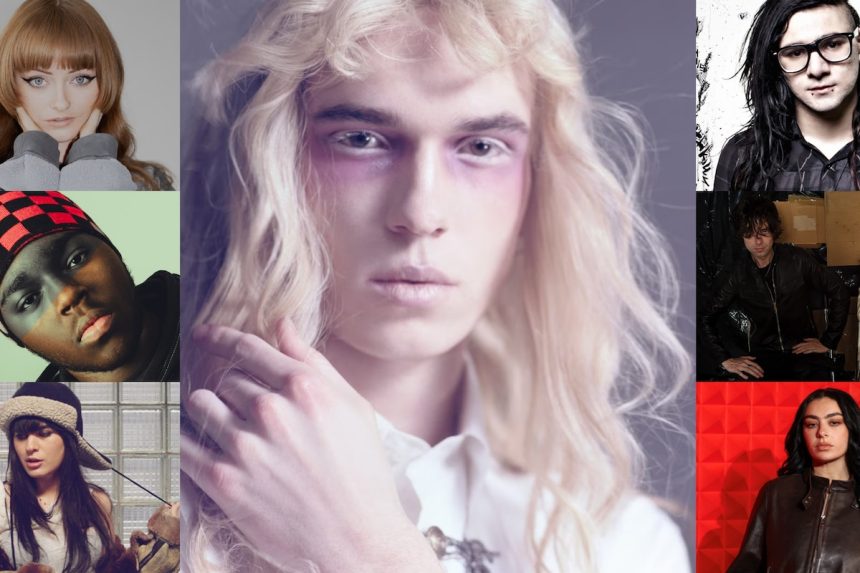
2hollis – The Spring 2026 Issue: The Rise of Sleazepop
As we dive into the Spring 2026 issue of 2hollis, it’s clear that the landscape of music is evolving in dynamic and fascinating ways. Over the last six months, a surge of electronic artists has captivated mainstream audiences, reshaping our understanding of genre and musical identity. Artists like Underscores, Ninajirachi, and, notably, 2hollis, have emerged as pivotal figures in a new wave of music now often heralded as a maximalist revolution. But with this transformation comes a challenge: how do we label these trends and figures effectively?
The Genre Conundrum
If you’ve been following music online, you might notice the words “electroclash”, “electronic pop”, and “rage” floating around in discussions about these artists. Each term points to a unique aspect of their sound. Electroclash hints at a fusion of rock and electronic sounds, while electronic pop serves as an umbrella term capturing broader elements of the genre. The “rage” tag, inspired by artists like Playboi Carti, underscores a wave of distortion and emotional intensity that resonates with Gen Z listeners.
This modern milieu represents a radical intersection of genres. Interestingly, it’s a moment where electronic artists have begun to seize the spotlight traditionally reserved for rock stars on festival stages. Emerging rap acts, such as Slayr and fakemink, are now sharing lineups with a cadre of electronic artists like Jane Remover and Underscores, creating a vibrant community where the lines between hip-hop and electronic music are increasingly blurred.
The Rise of Underground Communities
For the past year, many of these artists have been grouped under the “underground” umbrella, with platforms like the UK Ug scene and rap-based subreddit /r/Ug_music serving as their digital home. However, a fresh narrative has taken shape with the emergence of a new subreddit: r/Sleazepop. Here, fans and enthusiasts catch the vibe of this hybrid genre, celebrating the intersections of rap, electroclash, and indie sleaze aesthetics.
Sleaze Pop Daily (SPD), an anonymous creator behind the subreddit, describes sleazepop as “electronic music that takes a lot of inspiration from rap and a bit of rock – it’s like rap-inspired electroclash.” This relatively new descriptor seeks to carve out a space for artists who don’t necessarily fit neatly into established genres but share a collective ethos that blends influences from various musical worlds.
The Aesthetic of Sleazepop
Sleazepop has deep roots in both sonic experimentation and visual storytelling. SPD positions it as an LA-centric movement, tracing its origins back to The Hellp’s unique approach to indie sleaze. This sonic rebellion captures a spirit—reminiscent of playful hipster aesthetics—marked by flash-lit parties, skinny jeans, and a half-ironic rockstar demeanor. Artists like Tiffany Day, Feng, and fakemink embody this aesthetic, often nodding to their predecessors while forging new paths.
However, sleazepop isn’t merely a sound; it’s a cultural phenomenon that resonates with broader trends in popular music. SPD highlights the influence of heavyweights like LCD Soundsystem, Skrillex, and Charli XCX, illustrating how the genre is shaped by a cultural exchange that leans heavily into the digital realm and bedroom production aesthetics favored by Gen Z.
The Relationship with Hyperpop
In discussions surrounding sleazepop, it’s hard to miss the parallels with hyperpop, another genre that has had a fleeting yet impactful journey. Hyperpop, primarily recognized for its hyper-polished sound and cartoonish maximalism, has since evolved into a term that describes a more content-driven approach to music—often more about intersecting fanbases than cohesive musical identity.
Sleazepop distinguishes itself by embracing a rougher, more physical vibe, almost relishing in its messiness. SPD asserts that the infusion of rage and rock elements into sleazepop grants it a fighting chance at longevity in a music landscape often riddled with ephemeral trends. While hyperpop has faced critiques and seen its influence wane, there’s hope that sleazepop could ride the waves of authenticity and connection that digital music brings to the forefront.
A Controversial Community
Despite its burgeoning popularity, the sleazepop community isn’t without controversy. Even within its own subreddit, SPD faces skepticism, with some critics suggesting it’s a front for marketing strategies. Allegations of being a “label psy-op” loom over the subreddit, questioning the authenticity and intentions behind the genre.
SPD, who has managed to maintain an air of mystery regarding his professional life, refutes such claims of orchestration, asserting that the emergence of sleazepop is organic, fueled by a genuine community passion rather than corporate machinations. The challenge remains, however, to clarify what sleazepop truly represents amid the chaotic digital landscape.
The Future of Genre in a Digital Age
As we consider the burgeoning world of sleazepop and the shifting dynamics of genre classification, it’s evident that the rules have changed. Where defined origins and straightforward narratives once shaped music histories, today’s digital musicians exist in a labyrinth of influence and rapid evolution. The interplay of artists like 2hollis and fakemink signifies a generation that thrives on hybridization, fluidity, and a refusal to remain tethered to conventional genre boundaries.
While sleazepop might not fully solidify its status as the next dominant genre, it captures a moment in time where music evolves at lightning speed, defined not just by sound but by a cultural ethos that unites disparate artists and audiences alike. It’s an exhilarating time for music lovers, where the unexpected can arise from the intermingling of influences in the vast online expanse.