Das Bunker: A 30-Year Journey Through L.A.’s Industrial Scene
A Lasting Legacy in a Churning City
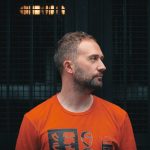
In Los Angeles, where nightlife shifts like sand, a club night dedicated to a niche and harsh subgenre of music might only expect to endure for a few years. Yet, Das Bunker, the relentless industrial club, celebrates its 30th anniversary this year. Established in 1996 by DJ and promoter John Giovanazzi in Long Beach, Das Bunker has become a cornerstone of the local electronic scene, representative of a movement that has seen both popularity and decline.
The Birth of a Movement
Giovanazzi founded Das Bunker with a vision to promote brutalist club music at a time when industrial sounds were entering into a steep decline. “Back then, it was kind of on the decline,” he recalls. Record labels were dumping artists, and venues consistently ignored European acts that were gaining traction overseas. This set the stage for Giovanazzi’s ambitious plan to create a home for industrial music in Los Angeles, where emerging talent could be celebrated rather than overlooked.
A Resurgence in the Scene
Flash forward to today, Das Bunker has evolved into a vibrant gathering spot at Catch One in Mid-City, drawing young crowds enthusiastic about electronic body music (EBM) and heavy industrial sounds. Artists such as Health have successfully sold out major venues like the Palladium, and events featuring diverse line-ups, from seasoned veterans to newcomers, are once again happening on the dance floor. This revival suggests a renewed interest in the genres that once shaped the underground music landscape.
The Challenges of Longevity
During the growth of Das Bunker, there were times of uncertainty. Giovanazzi mentions a pivotal moment in 2007 when attendance from younger audiences dwindled. “We were not getting anyone fresh out of high school coming to the club,” he recalls, indicating a clear sign that adaptations were needed. It was during this low point that a burgeoning EBM scene began to flourish locally, allowing Das Bunker to pivot and embrace homegrown talent, which ultimately revitalized the club.
Discovering the Thrill of the Underground
What draws young people to a genre that many have never explored before? For Giovanazzi, it’s the thrill of discovery. He compares it to a treasure hunt, where young fans attend shows and forge connections within a deep cultural history. “There’s this history and lore, lots of things you can explore, and cut your own path,” he explains, signifying that the allure of the underground is in its authenticity and the sense of belonging it provides.
Maintaining a Physical Presence
In an age where much of music exists online, Giovanazzi emphasizes the importance of preserving the physical space of Das Bunker. Hosting unique experiences, particularly in their noise room—a feature that remains a hallmark of Das Bunker—adds an essential layer to the club’s identity. This venue showcases music that can’t be easily found on streaming platforms, creating a compelling reason for patrons to step away from their screens and experience the music in person.
The Evolution of Subcultures
As the internet continues to shape culture and music consumption, Giovanazzi reflects on the changing landscape of lifestyle subcultures. He believes that the internet has diluted the immersive experience that once characterized scenes like goth or industrial. Previously, fans would seek out magazines, clubs, and communities; now, they can authenticate their musical taste with a few clicks. “It used to be that you found a goth song you liked and you would buy the magazines and go to the club,” Giovanazzi remarks, highlighting a lost depth in community engagement.
Preserving Music’s Rich Heritage
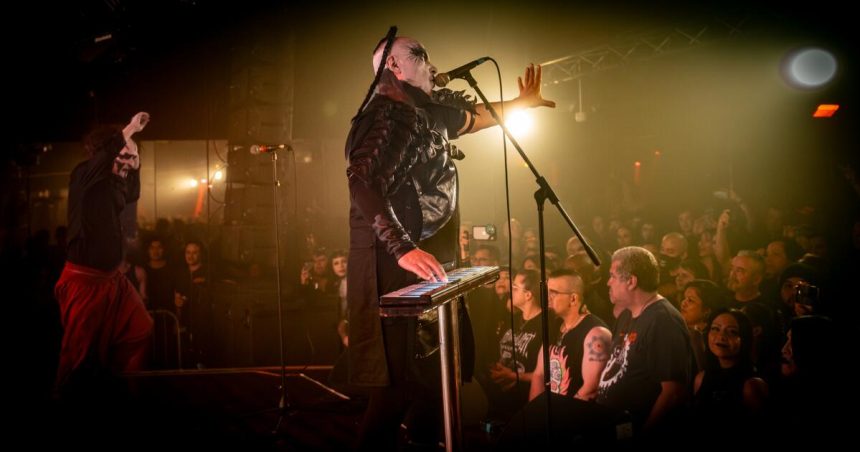
With heavyweights of the genre passing on, including the recent loss of Nitzer Ebb’s Douglas McCarthy, Giovanazzi feels a looming responsibility to guard the history of industrial music. He believes that the best way to do this is to platform the legends still creating. Hosting acts like Das Ich, invigorated by their raw, captivating performances, provides younger generations a direct connection to the roots of the genre.
Navigating a Complex Landscape
While Das Bunker flourishes, the overall landscape of underground nightlife in L.A. is marked by challenges. Rising costs and competitive pressures make it difficult for many events to thrive. As Giovanazzi puts it, “Every event now feels like playing the video game on hard mode,” showcasing the stakes involved in promoting underground events today.
Yet amid uncertainties, his commitment to curating a diverse lineup and creating engaging experiences keeps Das Bunker alive and relevant. By bridging generational divides and bringing in fresh talent, he helps ensure that this iconic venue remains a vital part of L.A.’s music scene for years to come.