
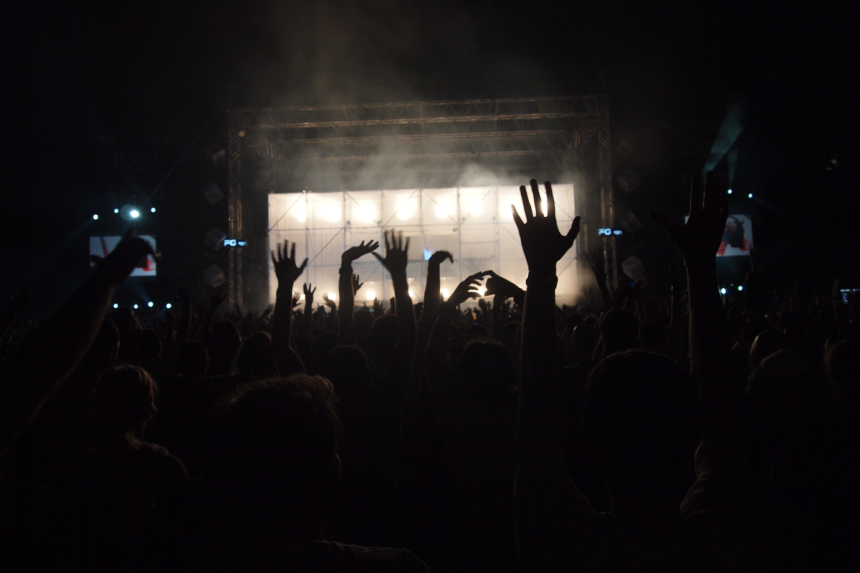
The Chemical Brothers remain electronic music royalty, blending big beats with cinematic soundscapes that hit hard in clubs, festivals, and your headphones. Formed in 1992 as The Dust Brothers before rebranding, Tom Rowlands and Ed Simons pioneered The Chemical Brothers sound—think booming basslines, psychedelic visuals, and tracks that make crowds lose it. For 18- to 29-year-olds in North America, their music pulses through Coachella sets, EDC drops, and late-night Spotify sessions, connecting underground raves to mainstream pop culture.
Why do they matter now? In a world of quick TikTok trends, The Chemical Brothers offer depth. Their albums mix rock energy with electronica, influencing everyone from Billie Eilish to Fred again.. North American fans feel it in streaming stats—millions of plays on tracks like “Galvanize”—and live energy that turns venues into euphoric chaos. This isn’t nostalgia; it’s a blueprint for modern dance music.
Picture warping through Manchester’s club scene in the ’90s, where The Chemical Brothers first exploded. Their debut *Exit Planet Dust* (1995) dropped anthems like “Block Rockin’ Beats,” fusing hip-hop samples with relentless techno. It wasn’t just music; it was a movement, scoring films like *The Matrix* and soundtracking global parties.
Why does this topic remain relevant?
The Chemical Brothers stay fresh because they evolve without chasing trends. Their 2019 album *No Geography* snagged a Grammy for Best Electronic Album, proving that veterans can still dominate. Recent remixes and collaborations keep them buzzing on platforms like SoundCloud and Beatport.
In North America, relevance ties to festival culture. The Chemical Brothers tracks blast at Bonnaroo, Lollapalooza, and Miami’s Ultra—events where Gen Z discovers them via friends or viral clips. Streaming data shows “Hey Boy Hey Girl” spiking on playlists like “Electronic Dance Hits,” making their catalog an entry point for new fans.
Their visual style—glitchy, immersive videos directed by Dom & Nic—feels tailor-made for Instagram Reels. North American creators remix their beats for content, amplifying reach. Plus, in a post-pandemic world, their escapist anthems provide that live-rush high at home.
The Big Beat Revolution
The Chemical Brothers coined “big beat,” a genre smashing breakbeats, funk, and distortion. This genre bridged rave kids and rock fans, landing them Glastonbury slots alongside Oasis. Today, that hybrid vibe echoes in Charli XCX’s hyperpop or Disclosure’s house grooves.
Sustained Innovation
From *Dig Your Own Hole* (1997) with Noel Gallagher to *Surrender* (1999) featuring Hope Sandoval, they collaborate across genres. This keeps The Chemical Brothers unpredictable, drawing diverse North American crowds from indie heads to EDM bros.
Which songs, albums, or moments define The Chemical Brothers?
Start with *Exit Planet Dust*. Tracks like “Chemical Beats” set the template for their aggressive, joyful chaos. Then, *Dig Your Own Hole* elevated them—”Block Rockin’ Beats” won a Grammy, its video becoming a staple on MTV.
“Setting Sun” with Gallagher represents peak collaboration, mixing psychedelic rock with electronica. *Surrender* brought together Beth Orton and Wayne Coyne, with “It Began in Afrika” nodding to global roots. *Come with Us* (2001) experimented with live instruments, while *Push the Button* (2005) took a political turn with “Galvanize.”
*Further* (2010) was visual-first, blending a tour doc with music; *Born in the Echoes* (2015) and *No Geography* refined their sound, with “Got to Keep On” standing out as pure festival fire. Key moments include their historic 1997 Glastonbury set, a triumph at Big Day Out in 2000, and an array of film scores like *Hanna*.
Essential Tracks for New Fans
Start with:
- Block Rockin’ Beats: The ultimate party starter.
- Galvanize: Featuring a chant-along hook with Q-Tip.
- Go: A euphoric 2015 banger with Beck.
- Free Yourself: A hypnotic recent cut.
- Wide Open: An enthralling collaboration with Beck, complete with a mind-bending video.
Album Deep Cuts
Dive into “Piku” from *No Geography* for lush production or “Do It Again” from *Further* for raw energy—both reward repeat listens, ideal for North American road trips or gym sessions.
What about it is interesting for fans in North America?
North America embraced The Chemical Brothers early on with performances at Lollapalooza in ’97 and memorable Coachella bows. Their sound fits perfectly with the massive festival scene: EDC Vegas drops like “Surface to Air” remain iconic, while their influence shapes acts like ODESZA and Rezz.
Streaming makes their extensive catalog accessible; Spotify’s “Chemical Brothers Radio” playlists introduce them to millions. TikTok challenges using “Hey Boy Hey Girl” go viral in the US and Canada, leading to a burgeoning Gen Z fandom. The vinyl revival also brings collectors on the hunt for OG pressings at spots like Amoeba Records.
Their anti-establishment edge resonates culturally amid polarized times, with tracks like “The Salmon Dance” providing silly relief, while live shows serve as a cathartic experience. For young North Americans, they form a vital link between ’90s raves and today’s warehouse parties.
Festival Connections
The Chemical Brothers‘ DNA is embedded in North American EDM giants, especially at Insomniac events where their beats underpin stirring sets. Fans embark on road trips to see inspired performances at festivals such as Shambhala or Lightning in a Bottle.
Digital and Social Buzz
On platforms like Twitch and Discord, The Chemical Brothers tracks fuel DJ mixes, while North American podcasters dissect their production, making them a conversational starter at college parties.
What to listen to, watch, or follow next
To jump into their catalog, stream *No Geography* first—it’s their most polished work. Next, check out *Exit Planet Dust* for an insight into their origins. “Don’t Think,” the live film from 2012, captures the energy of a sweaty Manchester gig. YouTube also features full sets from events like the Warehouse Project.
For similar vibes, explore artists like Four Tet or Jon Hopkins. Watching their Glastonbury 2000 set is highly recommended—expect pyro and crowdsurfing madness. Follow them on Instagram for rare clips, and join Reddit’s r/TheChemicalBrothers for notable discussions and deep dives.
Playlist Starters
Build a playlist featuring “Block Rockin’ Beats,” “Do It Again,” “Escape Velocity,” plus some remixes. Pair them with tracks from Fatboy Slim or Prodigy for an unforgettable big beat night.
Live Legacy
Check out tours influenced by The Chemical Brothers—their electric energy resonates in the works of artists like Caribou or Bicep. The video for “Wide Open,” featuring Annie Clark, morphing is a must-see piece of art.
The Chemical Brothers aren’t finished evolving. Whispers of new material circulate, but their back catalog remains an endless treasure trove. In North America, where electronic music is booming, they continue to set the gold standard—offering timeless beats for a restless generation.
Their production techniques—layered breaks, vocal chops—serve as a masterclass for aspiring bedroom producers. Tools like Ableton reflect their workflow, while fans remix tracks on Splice, keeping the legacy interactive.
Why North America Loves the Chaos
From Burning Man’s dust storms to Miami bass, The Chemical Brothers fit perfectly into our eclectic scene. Canadian fans flock to Toronto’s Field Trip, while US crews pack Brooklyn warehouses. It’s all about community: shared sweat, collective highs.
Their pop culture relevance is undeniable; “Block Rockin’ Beats” features in ads and games like FIFA, embedding them in daily life—from gym workouts to cross-country road trips.
Final hook: Their music scores life’s montage—road trips through Joshua Tree, city nights in NYC. The Chemical Brothers elevate the ordinary into the epic. Dive in; the drop awaits.