
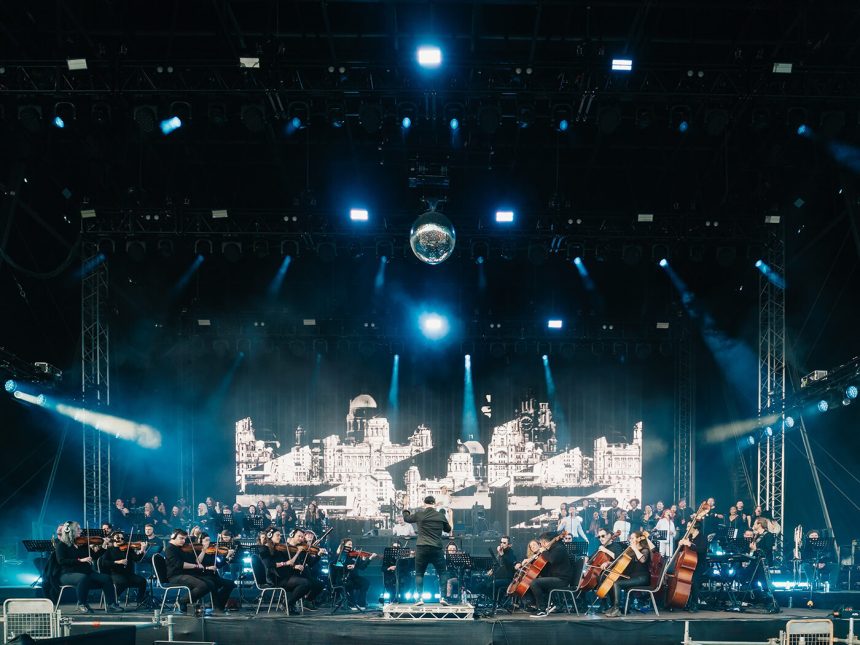
The Fusion of Classical and Electronic: An Insight into Steve Pycroft and Kaleidoscope Orchestra
For many artists in the electronic music realm, inspiration can strike from a variety of sources, but few can claim a journey as unique as that of Steve Pycroft. Known not only as a producer and arranger but as the music director for Kaleidoscope Orchestra, Pycroft’s orchestral interpretation of electronic music marks him as an innovator in a genre often seen as strictly digital. His journey began, fittingly, with Skrillex—the transformative electronic artist whose music serves as the foundation for the first piece performed by Kaleidoscope.
A Groundbreaking Introduction
Pycroft’s introduction to the world of electronic music was catalyzed by his arrangement of a 10-minute suite comprised of Skrillex’s music. This performance elegantly melded orchestral dynamics with the frenetic energy of dubstep, showcasing how strings and woodwinds can engage in a dialogue with synthesized beats. The suite begins with an overture of harmonic string melodies, preparing audiences for a breathtaking transition to one of Skrillex’s most celebrated tracks, “Cinema.” This reinterpretation illustrates the contrast between the raging bass drops typically associated with Skrillex and the soothing presence of orchestral arrangements.
Breaking Genre Barriers
Pycroft admits that aiming for a benchmark set by Skrillex might seem daunting, but he sees it as a challenge worth pursuing. His suite has accrued nearly 1 million views on YouTube, further validating the public’s appetite for this genre-crossing experience. He reveals, “Having Skrillex as a bar to aim for is pretty silly. How are you gonna get to that level? But I think, why not aim for that?”
The increasing demand for orchestral collaborations within electronic music has catalyzed a surge over the last decade. Artists such as Flight Facilities, Black Coffee, and Pete Tong have joined this movement, performing alongside orchestras worldwide. Kaleidoscope Orchestra is at the forefront, embodying this trend both in performance and innovation.
Crafting Original Works
Pycroft has recently taken a monumental step by releasing “Moments Between,” his first full album of original music. This record illustrates how electronic and orchestral elements can seamlessly coexist. Each track blends synthetic beats with orchestral harmonies, capturing the essence of both genres while also introducing unique melodies.
Tracks like “A Beauty” exemplify this fusion, featuring synchronized melodies from horns and strings over energetic drum and bass. Additionally, collaborations with vocalists such as QYOR and J. Chambers impart a contemporary feel, enriching the auditory tapestry with layers of rap and sung vocals.
Navigating Two Worlds
Pycroft’s ability to straddle both classical and electronic music stems from a rigorous academic background. His studies at the University of Manchester provided a solid foundation in classical music, but he, like many of his peers, immersed himself in the vibrant raving culture. “I would speak to my classical music friends about these dubstep nights,” he recounts, reflecting on the drastic differences between the worlds of classical and electronic music. This friction between genres sparked curiosity in Pycroft, leading him to contemplate how they might converge.
The transformation began with arranging popular electronic tracks to provide familiarity for audiences unaccustomed to orchestral performances. However, the release of “Moments Between” marks a decisive shift in Pycroft’s career—a realization of his creative potential that was long in the making.
A Catalyst for Creation
The COVID-19 pandemic served as a turning point for Pycroft, who recognized that life could change in an instant. He cites Rick Rubin’s book, The Creative Act, as another catalyst that ignited his decision to create original music. “As I started to write these pieces, I realised how much there was inside that I’d not been letting out,” he shares.
Pycroft approached the album with renewed vigor, embracing the freedom to express himself fully through his music. For him, this album represents his harmonized identity—the culmination of experience as a producer, arranger, and music director. The collaborative spirit remains vital; while the orchestral elements are anchored in familiarity, they serve as a canvas for Pycroft’s creative vision.
The Production Process
In producing the album, Pycroft utilized various software tools. Native Instruments’ Massive, Air’s Loom II, and Korg’s M1 helped craft the electronic backbone upon which orchestral arrangements were built. This blending of electronic and live instrumentation became pivotal, allowing him to consider instrumentality as interchangeable based on frequency rather than rigid roles.
Pycroft’s strategic mindset is essential to the composition process. He shares insights on experimenting with arrangements by manipulating the musical structure; for example, modifications in basslines shifted the harmonic energy of pieces significantly, ushering forth an uplifting emotion that might not have existed before.
Recording and Mixing Mastery
The recording phase involved multiple musicians and necessitated careful planning due to budget constraints. Pycroft managed to self-fund the entire endeavor, orchestrating valuable connections with 29 musicians on one day and 14 on another. His longstanding relationships with these artists facilitated a smooth recording process — a testament to his experience in music direction.
Mixing the album became a meticulous endeavor taking over ten months, where Pycroft focused on creating a sonic landscape that enabled each instrument to shine. He drew inspiration from Skrillex’s attentiveness to sound design, ensuring that each element in the mix served a purpose rather than cluttering the auditory space.
The Vision for the Future
While Pycroft maintains a humorous perspective on reaching Skrillex’s level, he expresses enthusiasm about the future. He imagines the possibility of the artists he has worked with, including Skrillex, remixing his original compositions—a notion he describes as a full-circle moment.
Pycroft’s evolution underscores the beauty of blending genres, illustrating that exploratory creativity knows no bounds, and whether through the controlled chaos of electronic music or the meticulously arranged notes of an orchestra, there exists an enduring thread of artistry that binds them together. Through Kaleidoscope Orchestra, he continues to redefine boundaries, inviting listeners into a world where classical meets contemporary in harmonious fusion.