Understanding the New Dietary Guidelines for Americans
You may have heard that new Dietary Guidelines for Americans were recently released. These guidelines represent a valuable roadmap for making healthier eating choices and emphasize that what we eat and drink plays a crucial role in our overall health.
The Role of Nutrition Experts
Our expert medical providers and dietitians are dedicated to making sense of these guidelines for you. One of the leading voices in this conversation is Dr. Michelle McMacken, the Executive Director of Nutrition and Lifestyle Medicine. She offers practical insights that can help you navigate the complexities of healthy eating.
10 Essential Tips for Healthy Eating
Here are Dr. McMacken’s 10 tips for improving your diet, based on the newly released guidelines:
-
Embrace Vegetables and Fruits
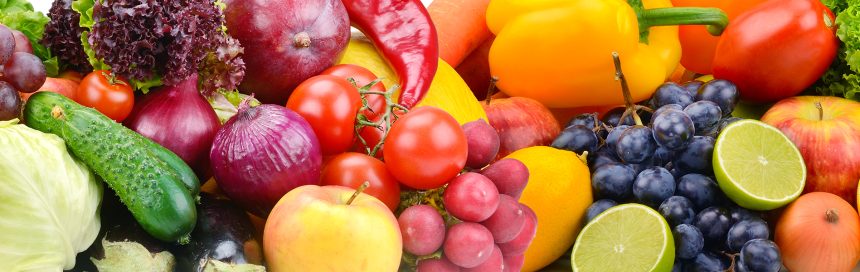
Eating a colorful array of vegetables and fruits should be a cornerstone of your daily meals. Aim to fill half of your plate with non-starchy vegetables like spinach, broccoli, and peppers. Start with veggies you already enjoy—fresh, frozen, or low-sodium canned options all count! Remember, whole fruit is always more nutritious than fruit juice. -
Opt for Whole Grains
Make whole grains a staple in your diet. Choose rolled oats, corn tortillas, and 100% whole-grain bread instead of refined options. Whole grains provide more fiber and nutrients that contribute to your well-being. -
Limit Saturated Fats
Saturated fats found in foods like butter, fatty meats, and full-fat dairy products can elevate your cholesterol levels and increase the risk of heart disease. Opt for low-fat or skim dairy and consider plant-based alternatives like unsweetened, calcium-fortified soy milk. -
Incorporate Plant Proteins
Foods such as beans, lentils, and tofu offer an excellent source of plant protein, which is linked to lower risks of heart disease and certain cancers. If you consume animal proteins, prioritize seafood and poultry while still including an array of plant-based proteins in your diet. -
Choose Healthy Fats
Including healthy fats—such as those found in nuts, seeds, avocados, and fatty fish like salmon—is essential for overall health. Steer clear of deep-fried foods to reduce unhealthy fat intake. -
Cook at Home
Whenever possible, prepare your meals at home. Home-cooked dishes are generally lower in sodium, richer in nutrients, and more budget-friendly than take-out meals. -
Reduce Processed Foods
Highly processed foods, including packaged chips and sweets, often contain excessive sodium and added sugars. Limiting these foods can improve your health significantly. -
Avoid Sugary Drinks
Sodas, sports drinks, and sugary coffee beverages can add unnecessary calories and sugar to your diet. Instead, opt for plain water, seltzer, or other unsweetened beverages. -
Stay Away from Processed Meats
Processed meats such as bacon, hot dogs, and deli meats are associated with higher risks of cancer and chronic diseases. Consider healthier, unprocessed protein options. -
Limit Alcohol Consumption
If you drink alcohol, moderation is key, but the safest choice is not drinking at all. Alcohol consumption is linked to various health risks, including liver disease and certain types of cancer.
Seeking Further Guidance
For individuals looking to improve their eating habits, here are additional resources to consider:
-
Consult with a Dietitian: Asking your healthcare provider for a referral to a registered dietitian can provide personalized guidance tailored to your unique needs.
-
Explore Nutrition Tips: The NYC Department of Health offers a wealth of useful nutrition tips that help make healthy eating manageable.
-
Participate in Lifestyle Medicine Programs: Programs like the ones at NYC Health + Hospitals can provide ongoing support. You can also call 347-507-3695 for more information or to get a referral from your healthcare provider.
-
Discover Recipes: Check out various online resources for delicious, nutritious recipes that make healthy eating enjoyable.
-
Access Food Assistance: If food insecurity is an issue for you, talk to your healthcare provider about your situation. You can also explore food pantries and soup kitchens available in your locality.
By incorporating these guidelines and utilizing available resources, you can take significant steps toward improving your health through better nutrition. Understanding the importance of healthy eating is the first step in making informed choices that can lead to a healthier lifestyle.