Innovative Approaches at the Idaho Cleanup Project
IDAHO FALLS, Idaho — The Idaho Cleanup Project (ICP) is embarking on an exciting new chapter with the incorporation of drone missions designed to collect intricate 3D images and radiation measurements from high-level radioactive waste storage areas. This initiative not only aims to enhance safety but also to inform engineers on how to better position equipment for the crucial task of retrieving calcine, a byproduct of used nuclear fuel recycling.
The Significance of Calcine Storage
Stored in six concrete bin sets that resemble silos at the Idaho National Laboratory Site, calcine consists of granulated materials that require careful handling and retrieval. Under the 1995 Idaho Settlement Agreement, the U.S. Department of Energy has a formidable task: to retrieve, package, and remove approximately 4,400 cubic meters of calcine from Idaho by 2035. This involves extensive planning and advanced technologies to ensure success while meeting critical regulatory commitments.
Advancements in Drone Technology
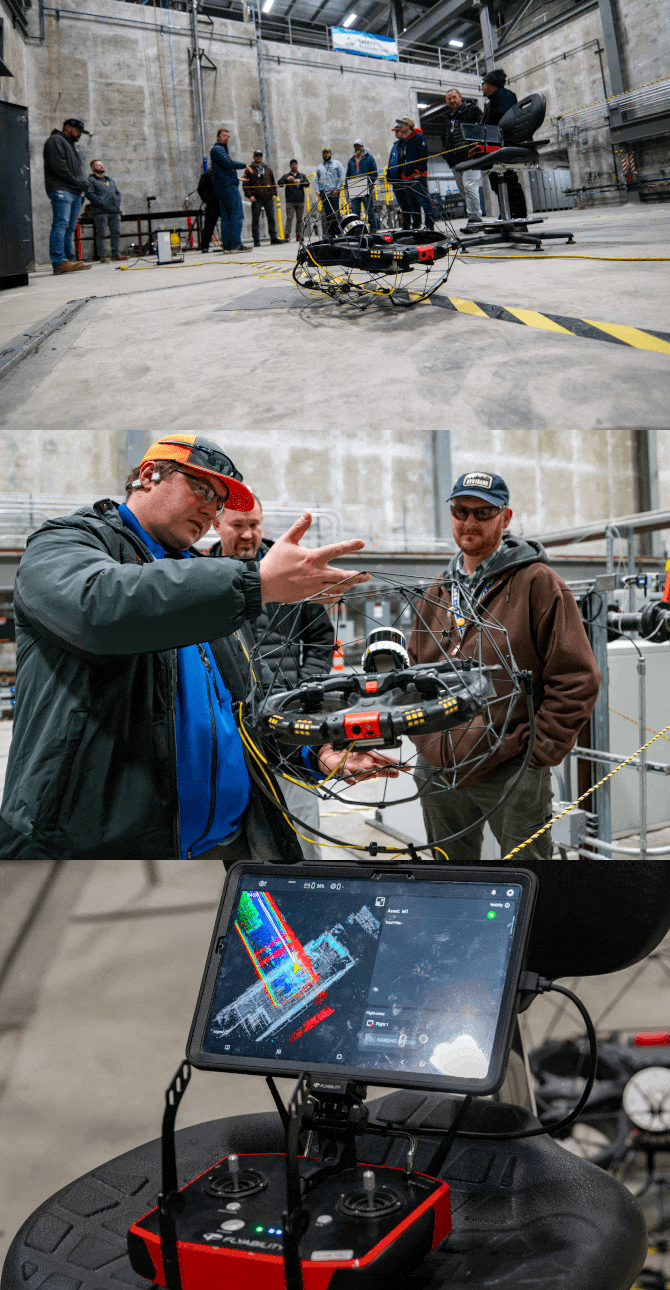
The ICP’s initiative utilizes cutting-edge technology, building on the successes of previous missions. A historic drone flight in 2022 marked a significant milestone as it became the first known operation inside a high-level radioactive waste storage vault. The team is now preparing for new drone missions, specifically focusing on the updated Elios3 drone, which recently underwent testing at an onsite facility that features a full-scale mock-up of a storage bin set.
Features of the Elios3 Drone
What makes the Elios3 stand out? Its extended flight capabilities and improved technology play critical roles in reducing project risks. Equipped with a tethered power source option, larger battery packs, and an advanced light detection and ranging (LiDAR) system, this drone is designed to enhance the data collection process. The new system boasts a scan rate that’s 25 times faster than previous drone models, allowing for a greater quantity of detailed imagery to be captured in a similar timeframe.
Valerie Kimbro, senior project manager, emphasizes the importance of these innovations, stating that they mitigate the risks associated with unknown factors in such complex projects. “The extended flight capabilities of the drone and updated 3D imaging technology reduce these unknowns, helping the project move forward while meeting regulatory commitments,” she explains.
Testing the Drone’s Capabilities
In December, the ICP team conducted crucial test flights with the Elios3, assessing its ability to maneuver around obstacles while tethered, measure flight durations, and manage cables. These evaluations were instrumental in understanding how the upgrades would facilitate longer missions and streamline data collection, ultimately contributing to safer operations for workers on-site.
Innovations Beyond Drones
The Calcine Disposition Project is not limited to drone technology. Additional innovations have been made, such as the installation of an instrument control system at the test facility. This enhancement serves to complement the drone’s capabilities, ensuring that the process of calcine retrieval progresses safely and efficiently.
The Impact of Technology on Safety and Efficiency
This approach highlights a broader trend in environmental cleanup efforts, showcasing how technology can significantly reduce both risks and the time associated with complex operations. By embracing advanced imaging and data collection methods, the ICP is positioning itself to tackle one of the most challenging environmental remediation projects in the country.
Looking Ahead
As the Idaho Cleanup Project gears up for these missions, stakeholders are optimistic about the potential breakthroughs in retrieval methods. The blend of innovative technology and dedicated teamwork is expected to not only fulfill regulatory obligations but also ensure the safety of workers and the environment.
-Contributors: Ryan Christensen, Leslie Dal Lago