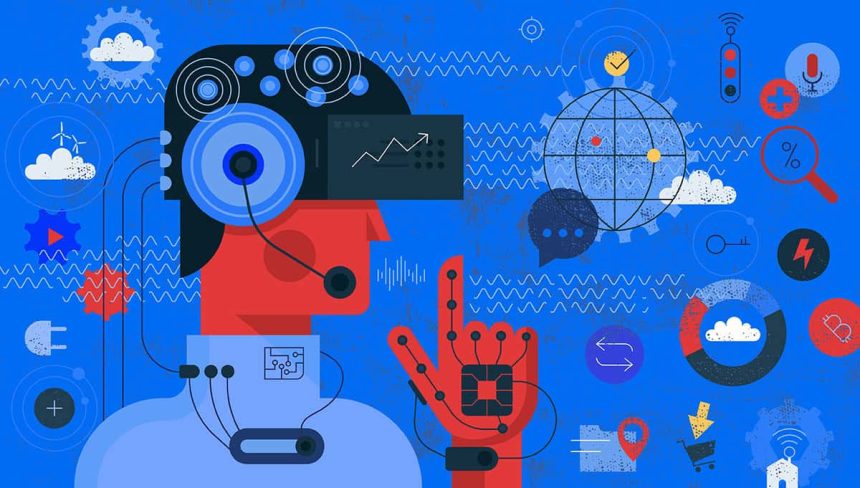
The Humanity of Machines: Exploring Our Relationship with Technology
In our rapidly advancing technological landscape, the intersection of humans and machines has become increasingly complex. From the simplest tools in our early societies to the intricate systems of artificial intelligence we navigate today, this relationship poses intriguing questions about identity, dependence, and co-evolution. As we delve into the nuances of our connection with technology, Vanessa Chang’s book, The Body Digital: A Brief History of Humans and Machines from Cuckoo Clocks to ChatGPT, provides an illuminating perspective.
The Historical Context
Understanding the journey between humans and machines necessitates a look back at our historical context. The most rudimentary tools—stone axes and wooden plows—are prime examples of how technology developed to meet human needs. The invention of the wheel revolutionized transport, while the advent of the printing press transformed information exchange.
As we moved into the Industrial Revolution, machines began to dominate manufacturing processes, reshaping labor dynamics and societies. The mechanization of tasks triggered not just economic changes but also cultural shifts. People began to view machines not just as tools but as extensions of human capability.
The Psychological Dimension
What does it mean for our psyche when technology becomes an integral part of our lives? Our relationship with machines has psychological implications that deeply influence our sense of identity. On one side, technology empowers us, allowing for unprecedented autonomy and creativity. On the other hand, it can create anxieties related to dependency and loss of control.
Consider the smartphone—a device that has simultaneously enhanced our connectivity while contributing to a sense of isolation. Studies show that while we are more ‘connected’ than ever, feelings of loneliness are also on the rise. The challenge lies in balancing our use of technology while fostering genuine human connections.
Machines as Mediators of Experience
One of the most fascinating aspects of our relationship with machines is their role as mediators of experience. They alter how we perceive and interact with the world. For instance, augmented reality (AR) technologies have transformed industries, allowing us to experience environments in ways previously unimaginable. An architect can visualize a building’s impact before a single brick is laid, while educators can create immersive learning experiences.
Furthermore, technologies like virtual reality (VR) open avenues to empathy. Imagine stepping into the shoes of someone from a completely different background—this is now possible through VR, bridging distances in ways that foster understanding and compassion.
Ethical Implications of Emerging Technologies
As we integrate technology deeper into our lives, ethical considerations arise. Are we ceding too much power to machines? The artificial intelligence (AI) systems now employed in various sectors raise concerns about privacy, data security, and decision-making processes. As AI tools like ChatGPT gain traction, discussions about their implications become crucial.
The ethical landscape becomes even murkier with issues like algorithmic bias and the potential perpetuation of inequalities. It raises fundamental questions about accountability—who is responsible for a machine’s actions? Are we prepared to answer such questions?
The Future of Human-Machine Collaboration
Looking ahead, the trend appears to favor collaboration rather than competition between humans and machines. Technologies will continue to support and augment human capabilities. From medical robots assisting surgeons to AI analyzing complex data for climate solutions, the synergy between man and machine is poised to expand.
Moreover, the concept of the “transhuman”—an integration of biological and technological identity—promises to redefine what it means to be human. As we adapt to enhancements in our physical and cognitive abilities through technology, we are forced again to reconsider our notions of identity and humanity.
Cultural Reflections on Technology
Finally, our cultural narratives around machines reveal a lot about our values and attitudes toward technology. Movies, literature, and art frequently portray machines as antagonists or saviors—often as reflections of our fears and hopes. These narratives shape public perception, influencing how society embraces or resists technological advancements.
The story of humanity is intricately linked with machines—it’s a tale of evolution, adaptation, and enduring questions about what it means to be human in an era of algorithms and automation. As we navigate this complex relationship, it is crucial to maintain an ongoing dialogue about ethics, identity, and the future we envision for humanity and technology.