Revolutionizing Cardiac Care: The Journey of the Total Artificial Heart
Introduction to the Concept
The quest for a total artificial heart is a testament to human ingenuity, driven by the urgent demand for innovative solutions in cardiac care. Traditional methods of heart replacement have evolved, with pioneering researchers and engineers determined to create a viable, long-term alternative for patients suffering from end-stage heart failure. This journey has been marked by breakthroughs, setbacks, and remarkable resilience.
Early Experiments: The Beginnings of a Solution
The original endeavors in artificial hearts focused on using two independent continuous-flow pumps to replace the excised heart—one for systemic circulation and another for pulmonary. Over an extensive 8.5-year period, Dr. Cohn, Dr. Frazier, and their team managed to implant these systems in 68 large-animal models. Although the experiments were fraught with challenges, yielding only 30 surviving longer than a week due to infections, they provided invaluable insights into the complexities of cardiac assistance.
Interestingly, the significant hurdles didn’t stem from flow balancing between the right and left pumps, as many had feared. Continuous-flow pumps demonstrated an innate ability to adjust to changes in inflow pressure, allowing many animals to achieve stable hemodynamics without constant manual intervention. However, the research revealed a critical vulnerability—small venous clots could easily clog the right-sided pump, prompting further innovation.
The Advent of Single-Rotor Technology
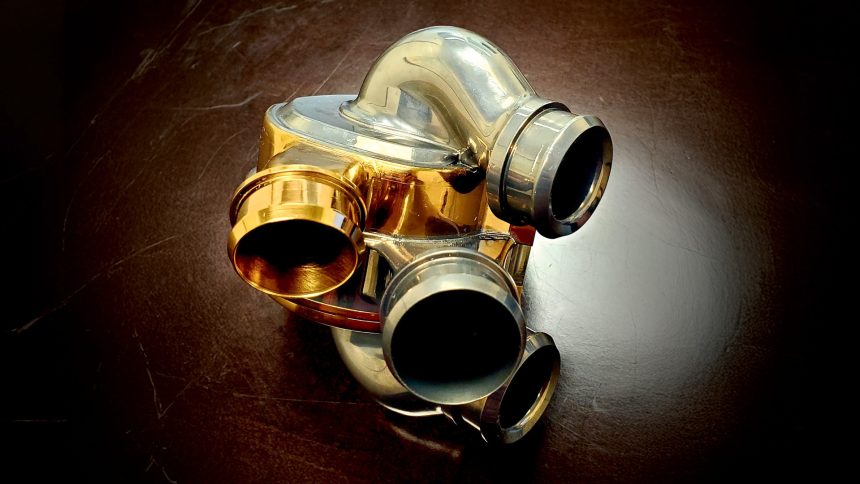
A crucial turning point came when Dr. Timms proposed a groundbreaking design: a titanium-based total artificial heart featuring a single, double-sided impeller aimed at pumping blood through both circulations. This revolutionary rotor would be magnetically levitated—free from any mechanical contact, thus eliminating wear and tear associated with traditional designs. Dr. Cohn described it as “science fiction,” highlighting the potential longevity of a device that would not physically touch any surfaces during operation.
Recognizing the concept’s potential, the BiVACOR team quickly embraced Timms’ vision, leading to an intense collaboration where they utilized computer modeling and 3D printing to optimize the heart’s design. Each variant was meticulously tested to achieve efficient blood flow, reduced shear stress, and minimized risk of thrombosis.
Transitioning to Metal Prototypes
The transition from digital models to tangible metal prototypes was significant. Using additive manufacturing, the researchers created titanium pumps layer by layer, which were then polished and implanted in animal models. With approximately 40 successful surgeries under their belt, the team’s persistence paid off when regulatory authorities required that five animals survive for a minimum of 30 days.
This success marked a pivotal moment, clearing the path toward the first human implantation of the artificial heart. Notably, this new device was designed with patients of all sizes in mind, promising ample cardiac output even during exertion.
Early Clinical Trials and Impressive Outcomes
Under an FDA early feasibility framework, four advanced cardiac centers took on the challenge of human trials. Among the first was a 58-year-old man with end-stage heart failure, who successfully received the artificial heart. Remarkably, the device maintained his vital signs for eight days while he awaited a heart transplant. Following his example, four additional patients underwent implantation, showcasing early successful outcomes.
The patients experienced quick recoveries, with some telling their doctors how they hadn’t felt this good in years. The artificial heart’s ability to autonomously adjust cardiac output during physical activity was a significant development, allowing hospitals to measure blood pressure and pulse normally.
The Breakthrough Device Designation
By mid-2025, the titanium total artificial heart received the FDA’s Breakthrough Device designation—an acknowledgment that this ambitious design has the potential to fundamentally change treatment standards for those with heart failure. Dr. Timms articulated the impact of this designation, stating it was not just a regulatory milestone but a validation of years of dedication and hard work.
The designation invites expedited access for patients, but alongside progress, the journey has not been without its challenges. Linkages to two patient fatalities in Australia due to complications led to rigorous reflections on the importance of clinical management alongside engineering excellence.
Path Toward Destination Therapy
The horizon looks promising, as power consumption requirements for the total artificial heart are considerably lower than previous iterations, facilitating innovative energy transfer methods. Future prototypes seek to eliminate cumbersome external drivelines entirely, marking a significant leap forward in patient care.
The ambition is clear: to provide not merely a bridge to transplant but a viable, lifescaping alternative for countless patients who may never be on the receiving end of donor hearts. Dr. Cohn strongly believes this artificial heart could potentially be superior to organ transplants, potentially becoming the gold standard in treatment.
As the narrative of the total artificial heart unfolds, it reflects not just scientific advancement but also a journey of reconciliation among innovators—a powerful reminder of how complex technologies have the capacity to bridge divides and foster collaboration. The ongoing development of this pioneering solution represents not only a medical endeavor but a collective hope for an entire generation of patients yearning for a second chance.