Mason Bates’ “Stereo is King”: A Dance Revolution
Mason Bates’ composition “Stereo is King” offers an exhilarating auditory experience, bringing together an innovative blend of traditional instrumentation and modern technology. Clocking in at just under 12 minutes, the piece features an ensemble of four percussionists utilizing a diverse array of instruments—ranging from marimbas and vibraphones to Tibetan prayer bowls and Thai gongs. This meticulous selection introduces an aesthetic described by Bates as “indigenous percussion sonorities.”
A Technological Twist
What sets “Stereo is King” apart is not just its rich tapestry of live percussion. Bates integrates advanced digital technology through quick-track software, which not only establishes a rhythmic foundation but also interweaves electronic beats into the live performance. This fusion creates a sonic landscape that feels both electric and organic, inviting audiences into a world where tradition meets innovation.
Debuting in Dance
On March 12, Houston Ballet will unveil a new dance choreographed by Stanton Welch, inspired by Bates’ energetic score. The choreography promises to reflect the spirit of the music, which Welch describes as “modern and very American, fresh and fun.” This performance marks a significant milestone for both the composer and the ballet company, as it heralds the debut of new artistic interpretations.
A Dynamic Performance Lineup
Alongside “Stereo is King,” the Houston Ballet will also present “Broken Wings,” a narrative ballet by Annabelle Lopez Ochoa focusing on the life of iconic Mexican painter Frida Kahlo, and a revival of Jiri Kylian’s “Petit Mort,” a work previously unperformed by the company for over a decade. This mixed repertoire showcases a broad spectrum of styles and narratives, allowing audiences to experience a mix of contemporary and classical dance forms.
Choreography for the 21st Century
In “Stereo is King,” the 19 dancers will don contemporary attire, described by Welch as “pants that look like people,” while aiming for an ethereal quality reminiscent of superhuman beings. Without a linear storyline to guide them, the choreography invites both abstract interpretation and visceral connection, urging dancers to embody a rhythm that echoes the complexities of Bates’ music.
Musical Challenges and Dancer Dynamics
Welch emphasizes the crucial role of musicality in this work. The score is not only challenging but also demands the dancers to layer their movements with complexity akin to animatronic precision. In his exploration of rhythm, Welch draws inspiration from hip-hop and breakdancing, incorporating styles that blur the lines between human and machine-like movement.
A New Generation on Stage
To enhance the performance, Welch has selected dancers from various levels of the company, striving to spotlight newcomers and seasoned members alike. Recently-promoted principal Tyler Donatelli exemplifies this ethos; Welch describes her as a “finite, musical dancer” with the capability to enrich the phrasing of the choreography. This diverse casting strategy connects emerging talent with the established body, fostering a sense of community within the ballet.
Mason Bates: The Modern Maestro
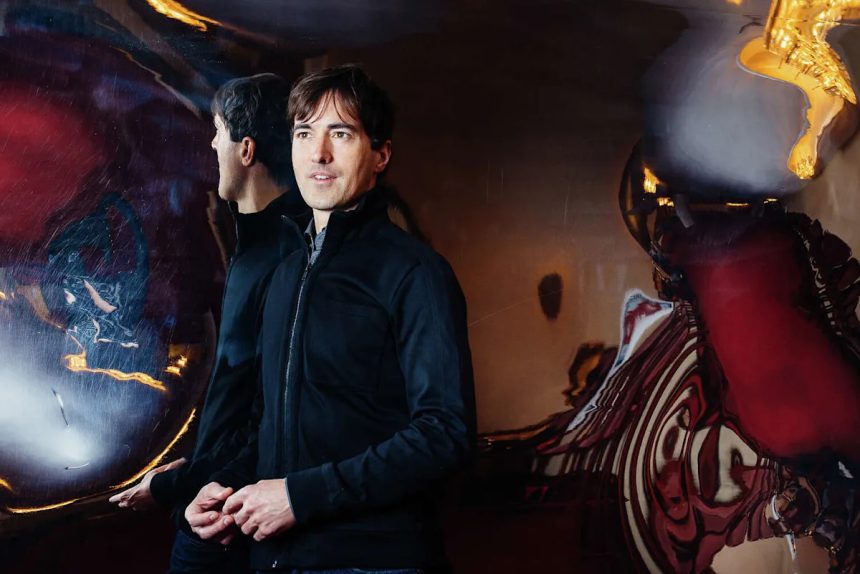
Bates, at 48 years old, is already a Grammy Award-winning composer who sits at the intersection of classical composition and electronic music. He seamlessly marries orchestral textures with club sensibilities, reflecting a multifaceted artistic identity. Welch first encountered Bates’ music during a collaboration with choreographer Aszure Barton, which inspired his passion for integrating contemporary compositions into classic ballet frameworks.
Pushing Artistic Boundaries
While he has a deep appreciation for traditional ballets, Welch remains committed to evolving the art form. He seeks to incorporate what he describes as “pedestrian” movement, reconnecting with contemporary themes and casual storytelling. This approach aims to ground high art in the world as experienced by everyday people, making ballet more accessible and relatable.
Looking Ahead
As he moves forward, Welch sees “Stereo is King” as a stepping stone to his next significant project, “Alice,” set to premiere in the following season. This new production aims to reinterpret “Alice in Wonderland,” utilizing music from rock legends Trent Reznor and Atticus Ross. With this project, he continues to bridge genres, merging balletic traditions with eclectic modernity, a testament to his innovative vision for ballet’s future.
Details of the Performance
- When: 7:30 p.m. March 12, 14, 20, and 21; 2 p.m. March 15 and 22
- Where: Wortham Theater Center, 501 Texas
- Tickets: Ranging from $25 to $230
- Contact: 713-227-2787, houstonballet.org
In summary, Mason Bates’ “Stereo is King” not only invigorates the auditory experience but also challenges the conventional boundaries of ballet, paving the way for a more dynamic future in the performing arts.