The Evolution of Electronic Dance Music in the ’90s: A Journey Through Subgenres
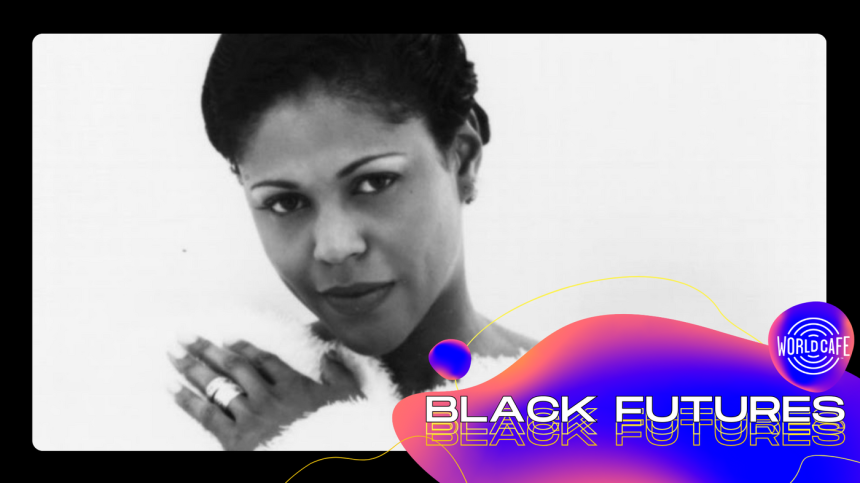
If you had to encapsulate the essence of electronic dance music (EDM) in the ’90s, the word that springs to mind is variety. This decade not only marked significant developments in technology and culture but also witnessed a rich tapestry of subgenres that arose, each with its unique flair. John Morrison, a correspondent for World Cafe, elaborates on this vibrant era, noting how electronic dance music was in a constant state of evolution during this time.
The Landscape of ’90s EDM
The ’90s were a fertile ground for creativity, particularly in the realms of electronic and dance music. As Morrison explains, “In the U.S. and the U.K., electronic dance music was in this constant state of mutation.” The decade saw a multitude of new subgenres and micro-genres emerge, including Baltimore club, drum and bass, U.K. garage, and tech house. Even trip hop made an appearance, challenging the boundaries of what could be classified as a genre.
Baltimore Club: A Unique Sound
Emerging from the streets of Baltimore in the early ’90s, Baltimore club music set itself apart through its distinctive use of samples. Unlike most dance music that relied heavily on programmed drum machine beats, Baltimore club drew inspiration from hip-hop, closely relating to its sampled roots. Producers would take snippets from classic tracks, such as Lyn Collins’ “Think (About It)” or Gaz’s “Sing Sing,” and chop them up to create a completely new sound.
This innovative approach not only defined a genre but also reverberated through cities like Philadelphia and Newark, influencing countless artists and producers. Even today, elements of Baltimore and Jersey club can be heard in mainstream hits by artists like Lil Uzi Vert and Bad Bunny.
Drum and Bass: The U.K. Sensation
Across the ocean in England, another subgenre was surfacing—drum and bass. Morrison describes it as a fusion of Jamaican reggae and sound system culture with American hip-hop and British electronic music. The result was a high-energy genre characterized by its rapid beats and heavy basslines.
At the heart of drum and bass were breakbeats sampled from seminal tracks, with “Apache” by the Incredible Bongo Band being one of the most frequently utilized. The dynamic nature of this genre captured audiences, bringing forth a wave of creativity that pushed the limits of electronic music.
Cultural Impact and Mainstream Emergence
The ’90s were crucial for the visibility of electronic dance music. This era not only made the genre accessible to a broader audience but also influenced popular culture at large. Artists experimented across the genre’s vast spectrum, creating some of the most memorable tracks that still resonate today.
Morrison emphasizes that the music produced during this decade laid the groundwork for many styles we hear in contemporary music, stating, “A lot of dope music we hear today is based on the ’90s.” The cross-pollination of ideas among genres enriched the musical landscape, allowing for a unique blend of rhythms and styles.
Listen and Learn
The auditory experience of this transformative decade is best appreciated through its music. Tune in to the audio player provided in World Cafe segments to immerse yourself further in this incredible journey of sound. You can also explore a curated playlist featuring ’90s club classics along with modern tracks inspired by that era.
This exploration of electronic dance music in the ’90s not only highlights its rich variety but also underlines the cultural significance it holds. From Baltimore club to drum and bass, each subgenre tells a story of innovation and influence, shaping the musical landscape for generations to come.