Embracing Liberation: Group Therapy Raves in Lagos
Lagos, Nigeria, has long been known for its vibrant nightlife, dominated by a culture of exclusivity and ostentation often referred to as table culture. However, a shift is emerging as thousands of young people gravitate toward a unique event redefining the party scene: Group Therapy.
The Rave Scene: A New Kind of Gathering
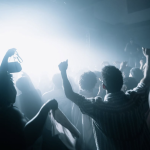
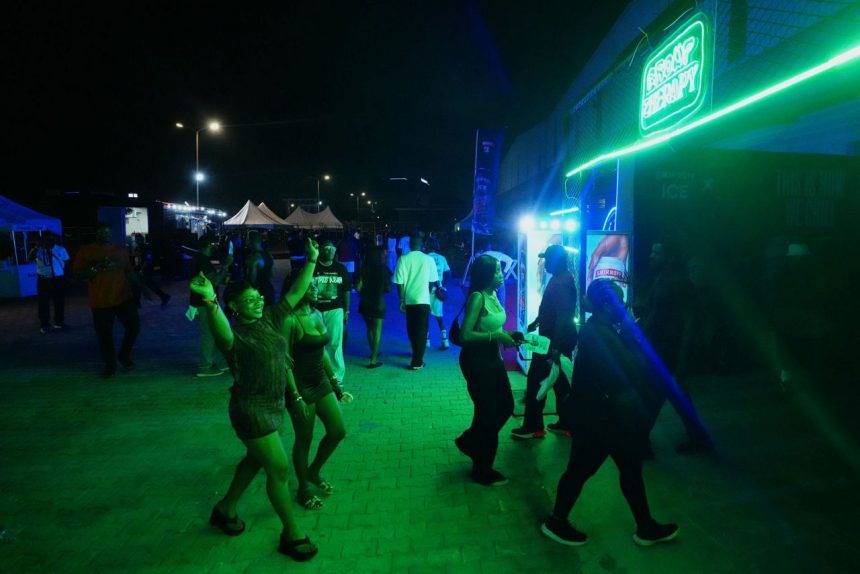
On a recent Friday night, an auditorium in Lekki became a pulsating epicenter of energy, filled with revelers seeking liberation from the constraints of traditional clubbing. The hall, illuminated only by flashing green strobe lights, set the stage for a gathering that feels more like a community celebration than a conventional nightclub experience. Here, amid the rhythmic beats of house music, attendees find a space where they can shed the pressures that have defined Lagos nightlife for so long.
Breaking Free from Table Culture
For decades, Lagos’ nightlife has been primarily characterized by the competitive atmosphere of table culture. This system ranks party-goers based on their spending capacity—where a single bottle of drink can cost anywhere from 100,000 naira to nearly a million naira. Such exorbitant pricing naturally excludes many young people struggling with the impact of inflation and economic hardship.
At Group Therapy, none of this applies. There are no expensive tables, no VIP sections, just a singular expansive dance floor where individuals from all walks of life come together to let loose. The ticket price of 21,000 naira (around $15) provides entry without the financial pressure associated with more traditional nightlife venues.
DJ Aniko, the brains behind Group Therapy, articulates this sentiment perfectly: “We barely have spaces to just dance… Most places you have to make a reservation… it is a lot more complicated.” For participants like Yetunde Onikoyi, 28, this radical shift offers an exhilarating escape: “Ever since then, I have been hooked by the neck; it is like a chokehold.”
A Democratic Experience
As raves like Group Therapy have emerged, many see them as a necessary antidote to the disparities created by table culture. Cultural experts like Oluwamayowa Idowu reflect on this transformation: “Raves are more democratic. People don’t have the purchasing power to sustain a club lifestyle.” Instead, raves emphasize enjoyment and connection over material gain, creating an environment where everyone is welcome to simply dance and have fun.
Dayo Williams, a consultant at the event, sums up the rave’s essence: “Finding a place that still focuses on the human aspects… is always a blessing.” This sentiment resonates as Group Therapy continues to foster a community centered around shared experiences rather than financial clout.
The Pulse of House Music
Music is at the heart of every rave, and at Group Therapy, house music reigns supreme. Beginning late at night and continuing until dawn, DJs mix high-tempo beats with African sonic elements to create a dynamic atmosphere that electrifies the audience. The rhythmic rises and falls of the music inspire ecstatic movement, uniting attendees in a collective expression of joy.
For many, the connection to house music transcends mere enjoyment; it evokes feelings and communal bonds. Zia Yusuf, a content creator attending the event, captures this essence perfectly: “You just connect to the music, and you connect to the music with other people who connect to the music with you.” This camaraderie highlights how raves like Group Therapy create a supportive environment that contrasts sharply with the competitive nature of traditional clubbing.
The South African Influences
The cross-pollination of music genres has played a significant role in shaping the current landscape of Lagos nightlife. Since 2022, the infusion of South African sounds into house music has taken the rave scene by storm, drawing in a younger demographic increasingly weary of Nigeria’s conservative social norms. This blend of rhythms and beats creates an inclusive soundscape that welcomes diverse expressions and experiences.
DJ Aniko, with a focused intent, consciously selects music that resonates with the communal vibe of the rave. He aims to keep the mainstream music industry’s influence at bay: “Once you are reliant on the mainstream industry for the music, the mainstream creeps into the space.” This conscious decision not only empowers the DJs but ensures that attendees aren’t subjected to the hyper-commercialized atmosphere present in many Lagos nightclubs.
Conclusion
The rise of Group Therapy in Lagos symbolizes a cultural shift among the city’s youth—a collective yearning for spaces that prioritize fun, connection, and shared experiences. In a world where materialism often overshadows genuine enjoyment, raves are reclaiming the dance floor, offering a healing balm for the pressures of modern urban life. As the strobe lights flicker and the music pulses, a new generation finds its voice in the rhythm, dancing freely into the night.