The Pulse of Lagos: Raving into a New Nightlife Experience
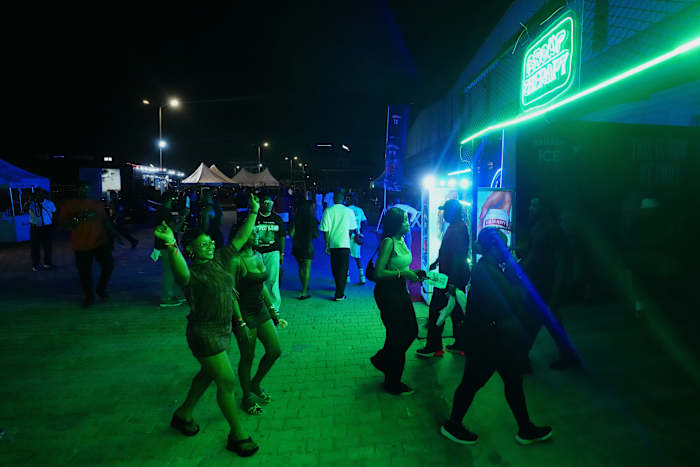
LAGOS – On a vibrant Friday night in Lekki, a bustling upscale neighborhood in Lagos, a palpable energy filled the air as thousands of predominantly young attendees flocked to a vast auditorium. Inside, a sea of dancing silhouettes pulsed to the rhythm of high-tempo beats, illuminated only by strobing green lights tracing the silhouettes of eager partygoers. This was not your typical nightclub; this was Group Therapy, an alternative rave scene igniting Lagos’ nightlife, where the thrill of dancing replaces the tradition of table culture.
Escaping the Table Culture
For decades, Lagos’ nightlife has been overshadowed by a lavish table culture, where exclusivity and spending power dictate the social landscape. In this framework, young revelers find themselves in a rat race—competing to outspend each other on overpriced drinks and reserve prime seating. Amid rampant inflation and rising costs of living, this competitive atmosphere has alienated many would-be partygoers, pushing them to seek more inclusive and less materialistic experiences.
Within the bounds of Group Therapy, this hierarchical system dissipates. The space is free of reserved tables or VIP sections, inviting participants to dance shoulder to shoulder without the pressure to splurge on pricey bottles that can cost anywhere from 100,000 naira ($72.34) to nearly a million naira. Revelers pay a mere 21,000 naira ($15.19) for a ticket, facilitating easy access to the dance floor and an escape from Lagos’ opulent pressures.
DJ Aniko, the brains behind Group Therapy, articulates the essence of this new rave culture, stating, “At raves, the dance floor is present… Most places you have to make a reservation… it is a lot more complicated.” The simplicity and accessibility of raves contrast sharply with traditional clubs, making them an appealing alternative for the youth eager to enjoy themselves without the burden of financial strain.
A Rave Revolution
Yetunde Onikoyi, 28, discovered the allure of raves only last year and describes her experience vividly: “Ever since then, I have been hooked by the neck; it is like a chokehold. I always want to be here.” Her testimony reflects a broader sentiment among attendees who crave spaces that foster genuine enjoyment over material accumulation.
The structure of nightlife in Lagos has evolved into a tiered system, with categories like VVIP, VIP, and regulars defining social standing. However, the introduction of raves reflects a rebellion against these constraints. Oluwamayowa Idowu, founder of Culture Custodian, highlights this democratic shift: “People don’t have the purchasing power to sustain a club lifestyle.”
The Beat That Unites
All around the hall, DJs pumped high-tempo beats from late night into the early morning, creating an enchanting atmosphere where revelers lost themselves to the rhythm. The infusion of African sonic elements into house music—a genre that has grown incredibly popular among Lagos’ youth—provides a lively backdrop for raves like Group Therapy.
Zia Yusuf, a content creator and attendee, captures the essence of this musical connection: “House music evokes feelings… you just connect to the music, and you connect to the music with other people who connect to the music with you.” This shared experience of music transcends socio-economic barriers, making the rave an inclusive and unifying platform for those involved.
A Crossover of Cultures
The rise of house music in Lagos raves constitutes a crossover of South African musical influences while simultaneously resonating with a younger generation that often seeks to challenge Nigeria’s more conservative societal norms. DJ Aniko emphasizes the independence of Group Therapy from mainstream music trends, advocating for an environment free from the pressures often exerted by the music industry: “Once you are reliant on the mainstream industry for the music, the mainstream creeps into the space.”
As young Lagosians continue to navigate an ever-evolving social and economic landscape, raves stand out as beacons of creativity and community. The pulsating life of these gatherings contrasts sharply with the rigidity of past nightlife norms, heralding a new era of celebration that prioritizes the joy of movement, music, and connection without the added weight of material expectations.
In this transformative landscape of Lagos’ nightlife, Group Therapy serves as a prominent counterculture—celebrating unity through dance and the sheer love of music.