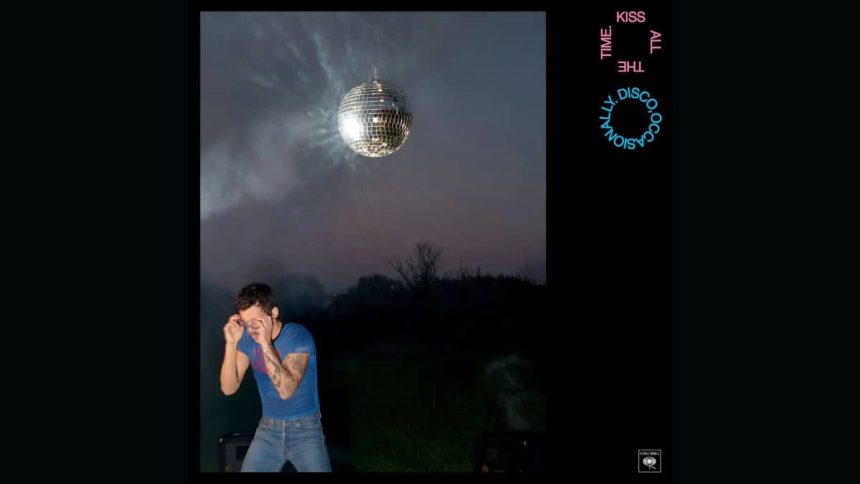
Harry Styles’ Fourth Album is a Love Letter to the Dance Floor He Wrote for Himself, and It Shows
When Harry Styles was seen among the crowds at the Vatican during the conclave that elected Pope Leo XIV last June, the grey baseball cap he sported read: “techno is my boyfriend.” This slogan, while easy to overlook at the time, now feels like an eloquent mission statement for his latest album.
*Style’s fourth album, “Kiss All the Time. Disco, Occasionally,” is the most sonically adventurous and, paradoxically, the most frustrating of his career. On first listen, it may seem like a mosaic of moments, at times struggling to achieve the euphoria of Berlin’s dance floors or the eclectic spirit of Rome’s nightlife. Yet, as the album unfolds over subsequent listens, the complexities of its charm begin to reveal themselves.
A Shift in Sonic Palette
Styles himself has noted that the central thread of this record was about crafting music that made him feel as if he were standing in the heart of a dance floor. What initially seems like a narrow focus can transform into an immersive interactive experience. This isn’t an album that shouts its brilliance; it’s one that settles into the listener’s consciousness over time. As it gradually envelops you, the familiar hallmarks of Styles’ artistry—catchy melodies, thoughtful layering, and emotional depth—start to resurface, though they are given a fresh context within his evolving sound.
The Hidden Gems
One standout track, “Taste,” encapsulates the album’s ability to blend the new and the familiar seamlessly. Its synth-laden soundscape feels both contemporary and reminiscent of Styles’ earlier works, walking a fine line between nostalgia and innovation. The bittersweet quality imbued in this track speaks volumes about Styles’ growth as an artist; it reflects his shifting sonic landscape while also reminding us of the emotional core that defined his earlier music.
Similarly, “The Waiting Game” resonates with introspective sincerity. It portrays Styles’ penchant for exploring recurring themes in his songwriting—relationships, life cycles, and self-discovery. Unlike most pop tracks that demand immediate attention, these songs invite patient listening and contemplation, revealing layers upon layers of meaning with each spin.
Strong Openings and Jarring Transitions
The lead single, “Aperture,” sets a buoyant tone for the album with its pulsing synth lines and subdued urgency, effectively establishing a visual identity supported by its artistry in Style’s performance. The song’s commercial success, as evidenced by its topping the Billboard Hot 100, embeds it deeply within the pop culture narrative, yet it also highlights the inherent tension between Styles’ intentions and the music’s execution. He adopts the framework of electronic dance music without fully immersing himself in its ecstatic abandon.
The album structure itself is one of its more intriguing aspects. Rather than progressing in a conventional checklist manner, the tracklist navigates the unpredictable terrain of a night out, fluctuating between moods and tempos. This often disjointed journey becomes a deliberate choice, mirroring the realistic ebb and flow of nightlife, where an energetic atmosphere can quickly dissolve into introspective moments. The transition from “Dance No More” to “Paint by Numbers” exemplifies this brilliantly—the euphoria of one track dissolving into the contemplative self-reflection of the next, making the experience authentic and relatable.
Emotional Resonance
Closing with “Carla’s Song,” Styles crafts a touching narrative deeply rooted in genuine emotion. Inspired by a friend’s introduction to the music of Paul Simon, the track encapsulates that magic of first encounters with music. The steady electronic pulse and floating vocals capture a tender, almost ethereal vibe that grants a reflective closure to the album. Here, the true message surfaces: music holds meaning that transcends the moment, lingering long after the final note fades away.
Not Without Its Flaws
While Styles’ latest offering is undeniably refreshing, it is not devoid of weaker moments. Certain tracks in the middle stretch may test the listener’s patience, hinting at depth without fully delivering. These indulgences perhaps reflect a sound not yet completely internalized, posing a challenge for listeners seeking immediate gratification.
Kiss All the Time. Disco, Occasionally does not aim to redefine musical paradigms or Styles’ identity within pop culture. It may not be the anthem of a generation, but it emerges as a vital expression of artistry—crafted for genuine pleasure rather than calculated acclaim.
In a world characterized by meticulous branding and emotional precision, this album offers a candid glimpse into Styles’ creative spirit, shaped by experiences from Berlin to Rome, spontaneous moments of music appreciation, and a longing for the dance floor. As you delve into this album, allow yourself to hold off on forming an opinion after just one listen; the treasure often lies beneath the surface, waiting to be discovered.