
Word spread quickly to internet-savvy hard-core techno fans on the 313 listserv that their favorite DJs Rolando, Derrick May and Richie Hawtin were booked along with Craig’s eclectic lineup that included J Dilla, Mos Def, and The Roots. In those pre-MySpace, pre-Friendster, pre-Facebook days, my friends and I flyered for the festival in gay clubs and sweaty inner-city bars, where DJs mixed Detroit-made bass-heavy techno tracks with the latest Outkast and Missy Elliott hits.
Day one, on the morning of that first festival, it poured rain as frazzled volunteers scrambled to plug in speakers and build stages. We prepared for the concept to fail and fade away. Until it didn’t. There was this you-had-to-be-there moment when the DJ Stacey Pullen played on the main stage and the bowl filled with dancing bodies at dusk. Children bopped alongside senior citizens and b-boys popped and locked to four-four rhythms and percussive house beats. Backstage there were hugs, shouts, and happy tears. As the weekend party raged on, fans from around the world scrambled to book flights to be a part of the historic occasion. TV camera crews started showing up, documenting the scene. Officials tallied the attendance records at close to a million people. An annual Memorial Day tradition was born.
Smaller, better managed, and much more expensive
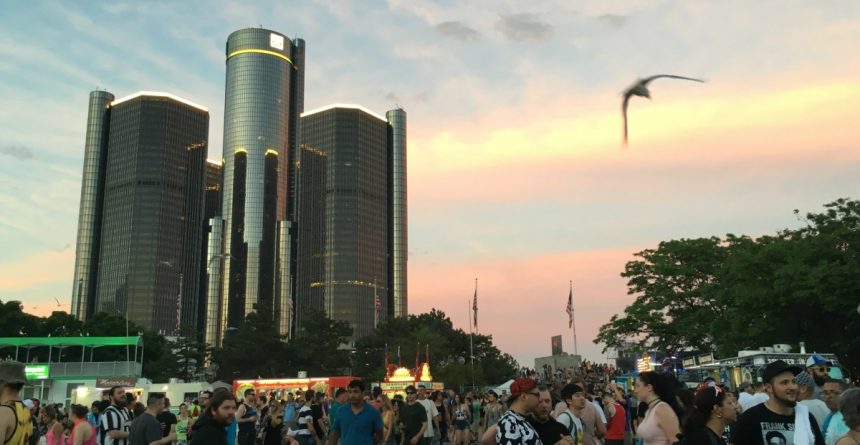
This past Memorial Day weekend I made the familiar pilgrimage to the Movement festival. It still takes place on the same riverfront, but much more has changed over the past 17 years. And the festival — attended by 40,000 people a day — is considerably smaller and better managed. The Detroit Electronic Music Festival was renamed Movement 10 years ago, when Paxahau, a collective of DJs and promoters and longtime Detroit techno fans, won a bid from the city to produce the festival. They continue to curate it with the passion that distinguishes it from the post-rave, lose-your-mind, Ultra-Daisy festival circuit. And it’s still a huge source of local pride — this year, the city officially declared the week of the festival Techno Week in Detroit and honored some its key players. Many of the local DJs have played on the stages multiple times, faithfully making time for it in their touring schedule
But like everything in contemporary culture, Movement is not immune to music industry economics. The once free festival now has daily $95 price tag and a VIP package that costs over $300. Though it takes place in a city that is 80 percent black, the festival’s attendees are mostly young white people. And most Americans still have no idea that electronic music is a Midwestern creation.