
The Rise of Techno: A Journey Through Sound and Culture
The Birth of Techno
Techno emerged as a revolutionary genre of electronic dance music in the United States during the early 1980s, finding its roots primarily in Detroit, Michigan. Its signature sound—characterized by glacial synthesizer melodies and brisk machine-driven rhythms—was a response to the evolving musical landscape. Techno arose from the fascination of middle-class African-American youths who were drawn to European electronic sounds. These young creators found inspiration in the pulsating beats of synthesizer-heavy music that had begun reshaping dance floors across the globe.
Influences and Innovators
A pivotal moment in the development of techno came in 1985, thanks to influential artists like Derrick May, Juan Atkins, and Kevin Saunderson. They were deeply inspired by Euro-pop pioneers like Kraftwerk and the ideologies presented in Alvin Toffler’s writings about the “techno rebels.” This trio, often referred to as the “Belleville Three,” began crafting music that was distinct from existing genres. Early tracks such as Rythim Is Rythim’s “Strings of Life” and Inner City’s “Good Life” became anthems that resonated widely and sparked a vibrant dance movement across Europe, highlighting techno’s enduring appeal.
Unlike the house music emerging from Chicago, which often incorporated vocal lines and a four-on-the-floor kick-drum pattern grounded in disco, Detroit techno was primarily instrumental. Its rhythms were more intricate, layered with complex beats that encouraged listeners to lose themselves in the music rather than simply dance.
The European Rave Scene
As Detroit techno gained traction, it seamlessly integrated into the burgeoning European rave scene in the late 1980s and early 1990s. This neo-psychedelic subculture revolved around ecstasy-fueled all-night dance parties, where the music transformed significantly in response to the culture. White producers in Europe began to take techno into darker, harder-edged territories, replacing its dreamy elegance with aggressive riffs and drug-infused soundscapes.
One of the key figures in this evolution was Joey Beltram, whose tracks helped lay the foundation for “hardcore techno.” This new sound, branded for its militant attitude and ecstatic hedonism, gained momentum thanks to Belgian acts and labels like Underground Resistance and +8. Concurrently, British artists blended techno with hip-hop influences, giving rise to minimalist bleep-and-bass styles and breakbeat hardcore.
Fragmentation and Evolution
By the mid-1990s, techno had splintered into a myriad of subgenres, each with distinct sounds and stylistic approaches. Notable among these were:
-
Trance: Known for its metronomic beats and cosmic melodies, this genre aimed to evoke emotional uplift and introspection on the dance floor.
-
Electronica: Focused on atmospheric experimentation, this subgenre catered to a listening audience that preferred more contemplative and ambient sounds.
-
Jungle: Drawing from sped-up hip-hop breakbeats and heavy reggae bass, jungle offered a frenetic listening experience that left an indelible mark on the genres that followed.
-
Gabba: Characterized by an ultra-fast tempo and a sound closer to heavy metal, gabba carved its niche within the wider techno landscape, appealing to adrenaline-seeking listeners.
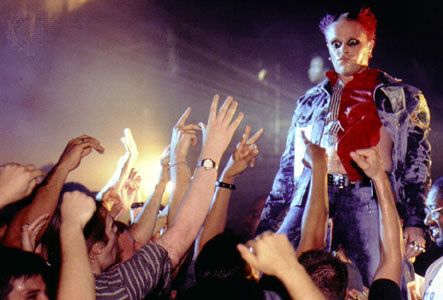
While purists often yearned for the crisp clarity of the original Detroit sound, a different kind of energy surged into the mainstream in 1997 with the breakthrough albums of The Prodigy and The Chemical Brothers. These acts created a rowdy, rock-infused variant of techno that captivated American listeners, effectively merging the underground with mainstream culture.
Techno’s Vast Influence
Today, techno encompasses a broad spectrum of styles, from multimillion-selling pop variations to the deepest underground sounds. Its genres have influenced not only electronic music but mainstream rock bands like U2, showcasing its versatility and widespread appeal. Techno represents the cutting edge of Western popular music, a testament to its evolution and the cultural dialogues it has inspired.
Through new innovations, collaborative projects, and boundary-pushing performances, techno continues to shape the musical landscape, ensuring that its pulsating heart beats on in nightclubs, festivals, and radio waves worldwide.