
What Brought You to Berlin?
“What brought you to Berlin?” is a question every newcomer will face at some point—perhaps even more than once. It evokes curiosity about personal stories, dreams, and the winding paths that lead to this sprawling metropolis. So, what is it exactly that draws people to this remarkable city?
The Allure of Berlin’s Nightlife
One could start with Berghain, the world-renowned techno nightclub that serves as both a cultural icon and rite of passage for electronic music enthusiasts. Famous for its marathon parties that can stretch from Thursday night through to Monday morning, Berghain also boasts notoriously selective door policies that have denied entry to even the most famous faces. This club is a microcosm of what Berlin represents: a vibrant, inclusive atmosphere that embraces LGBTQ+ identities and promotes a sex-positive culture, complete with dedicated spaces for exploration.
However, Berghain is just one piece of a much larger puzzle. Berlin’s entire nightlife scene pulses like a beating heart, fueled by a roster of clubs and venues that encourage a continuous flow of music, dance, and self-expression. Here, one finds a playground that feels liberated from the mundanity of everyday life, resonating with the kind of spirited hedonism that has come to define the city.
Historical Foundations
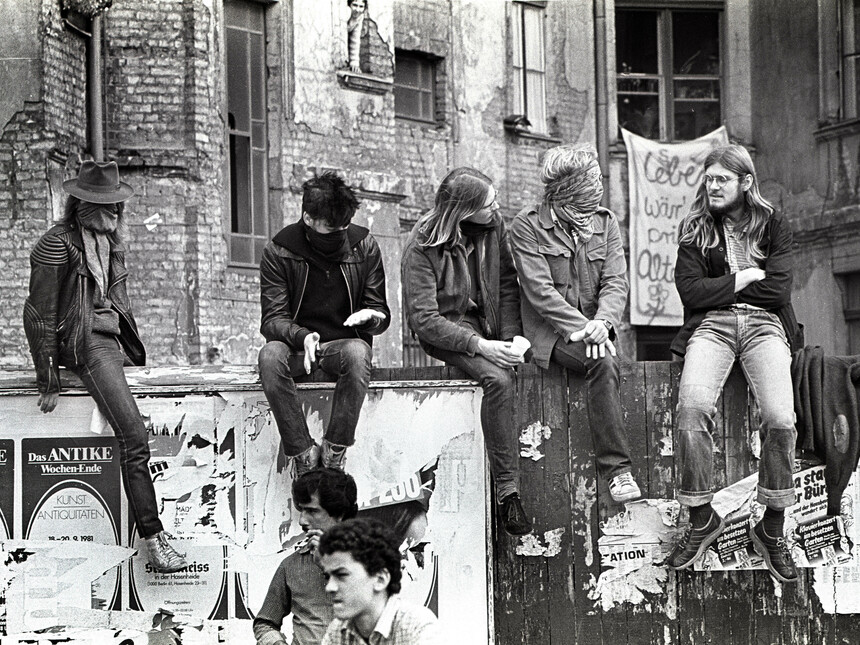
To truly understand why people flock to Berlin, one must delve into its historical makeup. The fall of the Berlin Wall in 1989 acted as a catalyst for transformation, unlocking vast, previously isolated spaces that echoed with potential. This void was quickly filled by artists, activists, and squatters—individuals who repurposed abandoned buildings into hubs of creativity and alternative living.
This post-wall era fostered a subcultural ethos centered around freedom, autonomy, and nonconformity. The ethos of the 90s is now a hallmark of Berlin’s identity, forming the backbone of a city that thrives on artistic expression, rebellion against societal norms, and, notably, techno music. The Berlin Love Parade of 1989 stands out as a significant cultural turning point, cementing the city’s global reputation in the electronic dance music scene.
The Rise of Techno and Its Cultural Heritage
Arguably, Germany’s influence in the electronic dance music scene is unparalleled, as acknowledged by the country’s culture ministry and UNESCO, which classified Berlin’s techno scene as an intangible cultural heritage in 2024. In the past three decades, the city has emerged as one of the premier techno capitals of the world, attracting millions of visitors annually. Its nightclubs host around 58,000 events each year, showcasing more than 70,000 artists and generating direct revenue of an estimated €168 million.
This techno-tourism is not merely a passing trend but rather reflects a deeper cultural engagement, with tourists regularly drawn back into the city, blurring lines between temporary visits and long-term migration. Berlin’s dance floors are universally celebrated, serving as spaces of shared experience, collective euphoria, and often as a site for recreational exploration.
Economic and Cultural Intersections
The concept of “techno-tourism” is more than just a catchy term; it embodies Berlin’s unique appeal as one of the most inventive cities globally. The economic impact is substantial, with tourism contributing ably to the local economy. In 2022, visitors spent over €6.56 billion while in Berlin, highlighting the club scene as a critical driver of this financial influx.
Additionally, the city’s ‘poor but sexy’ image, coined by Mayor Klaus Wowereit in 2003, lends a charm that resonates with many potential migrants. Despite its outdated origins, this slogan still encapsulates the idea of a vibrant, economically accessible lifestyle intertwined with rich cultural experiences. Although gentrification has altered some aspects of this narrative, Berlin remains perceived as an affordable alternative to cities like London.
The Unique Berlin Experience
Arriving in Berlin often feels like diving into an ongoing narrative enriched by layers of history, creativity, and community. Returning to the question, “What brought you to Berlin?” reflects a search for identity intertwined with the city’s own complex story. It invites the realization that beyond just nightlife and festivals lies a city dedicated to cultural reinvention and resistance to societal norms.
The interplay between history, hedonism, and creative independence makes Berlin an unparalleled destination for thrill-seekers and dreamers alike. The experience here pulses with an energy that captivates, transforms, and often entices its visitors to redefine their own paths.
References
- Ward, J. (2011). Post-wall Berlin: borders, space, and identity. New York: Palgrave Macmillan.
- Lefebvre, H. (1991). The Production of Space. Oxford: Blackwell.
- Zitzlsperger, U. (2021). Berlin: Narratives of metropolitan transition and national unity. Journal of Urban Cultural Studies, 8(2), 187-205.
- Hebdige, D. (2013). Subculture. Routledge.
- Reynolds, S. (2013). Generation ecstasy: Into the world of techno and rave culture. Routledge.
- Lücke, M. (2020). Club culture and electronic dance music in Berlin: An economic, social, and aesthetic perspective. The new age of electronic dance music and club culture, 55-62.
- Moore, K., & Miles, S. (2004). Young people, dance, and the subcultural consumption of drugs. Addiction Research & Theory, 12(6), 507-523.
- Garcia, L. M. (2016). Techno-tourism and post-industrial neo-romanticism in Berlin’s electronic dance music scenes. Tourist Studies, 16(3), 276-295.
- Ewert, B. (2016). Poor but sexy? Berlin as a context for social innovation. Social innovations in the urban context, 143-158.
- Verwiebe, R. (2014). Why do Europeans migrate to Berlin? International Migration, 52(4), 209-230.
- Holm, A. (2013). Berlin’s gentrification is mainstream. The Berlin reader. A compendium of urban change and activism, 171-188.