
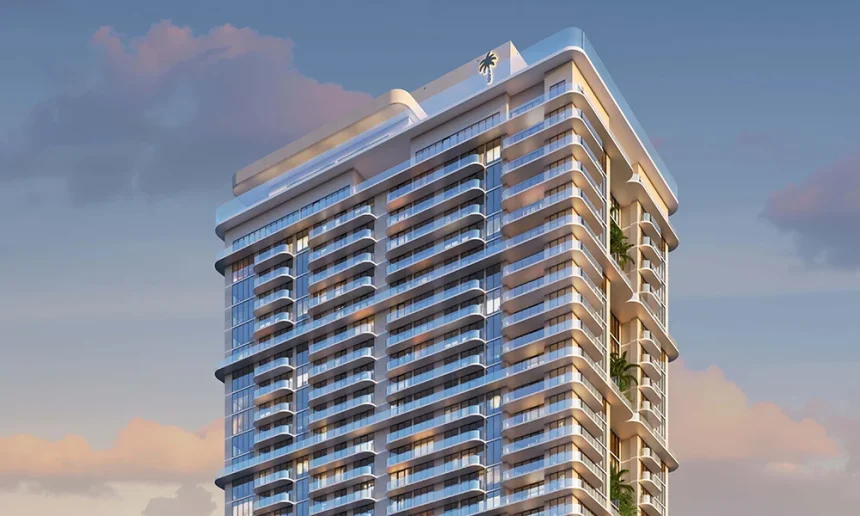
The Luxury Real Estate Landscape: A Shift Towards Experiential Branding
The luxury real estate market is evolving, moving away from the traditional frameworks of hospitality towards a more immersive and experiential branding approach. This strategic pivot is not just a fleeting trend but represents a fundamental change in how properties are being marketed and developed. Recent data from the Wall Street Journal underscores this shift, revealing that developers are no longer just relying on legacy hotel names but are instead incorporating high-value intellectual property from diverse sectors such as automotive, fashion, and music.
Experiential Branding: A New Era
At the heart of this transformation is the concept of experiential branding. Unlike conventional branding, which primarily focuses on the reputation of established hotel chains, experiential branding emphasizes the lifestyle and unique experiences that come with ownership. Properties are becoming extensions of lifestyle brands, offering residents an identity that aligns closely with their personal values and aspirations.
This movement is exemplified by recent projects from renowned brands like Armani, Porsche, and the electronic music trailblazer Palm Tree Crew. By integrating these lifestyle elements into real estate, developers are redefining what luxury means in today’s marketplace. They are not just selling a home; they are offering a complete lifestyle experience.
Breaking Ground in Miami: Palm Tree Residences
A prime example of this innovation is the newly unveiled Palm Tree Residences Miami, developed by PMG and Lion Development Group. This residential project in Downtown Miami, spearheaded by world-famous DJ Kygo and his manager Myles Shear, encapsulates the essence of this new paradigm. The 483-unit tower is not just a building; it serves as a permanent extension of Kygo’s global music festival and hospitality ecosystem.
Residents of Palm Tree Residences benefit from unique offerings that transcend traditional ownership. The model operates like a membership token granting entry into a broader network of exclusive music events and hospitality experiences. Beyond their homes, these residents gain access to a ground-floor music venue, priority VIP ticketing for Palm Tree Crew festivals, and members-only tables at locations within the brand’s hospitality portfolio. This fusion of real estate and lifestyle brand creates an unparalleled living experience that resonates deeply with its audience.
Financial Success of Branded Developments
The financial implications of this shift are compelling. Developments like the Porsche Design Tower and Armani/Casa have historically commanded price-per-square-foot premiums that are often 50% higher than those of unbranded properties. This pricing dynamic illustrates a crucial insight into the minds of ultra-high-net-worth buyers: they are willing to invest in properties that offer a distinct aesthetic and community lifestyle linked to specific subcultures.
The luxury consumer today seeks more than a lavish home; they are increasingly drawn to environments that offer a continuous and engaging lifestyle. This means that developments that are designed around experiential elements, such as exclusive nightlife venues and experience-driven community events, are likely to outperform their static counterparts.
The Future of Luxury Real Estate
As the landscape of luxury real estate continues to evolve, industry analysts predict that the trend toward entertainment-led real estate will only gain momentum. Properties that integrate immersive social experiences and foster a sense of community are likely to appeal to a growing segment of affluent buyers. This suggests a future where residential developments are not just places to live but vibrant ecosystems that foster connections and relationships among residents.
In this new chapter, the luxury real estate market is shaping up to be a canvas for innovative lifestyles, significantly reshaping consumer expectations and preferences. With the blending of real estate and lifestyle branding, the future looks bright for developments that can deliver on the promise of not just homes, but genuine experiences.