Daft Punk: The Enigmatic Legacy of Electronic Music’s Pioneers
On a seemingly ordinary Monday, the electronic music world was sent into a state of collective mourning. Daft Punk, the iconic French duo whose influence has spanned decades, officially announced their retirement. In true Daft Punk fashion, the news came in the form of an enigmatic video titled “Epilogue,” featuring footage from their cult classic film Electroma. The imagery was stark and impactful: one of the robotic personas self-destructing in a desert, followed by a stark cutaway reading “1993-2021,” encircled by robotic hands around a vivid sunset. This departure was not just a farewell; it was a masterclass in their artistry, a statement that resonated deeply with legions of fans and fellow musicians alike.
A Journey Through Sound
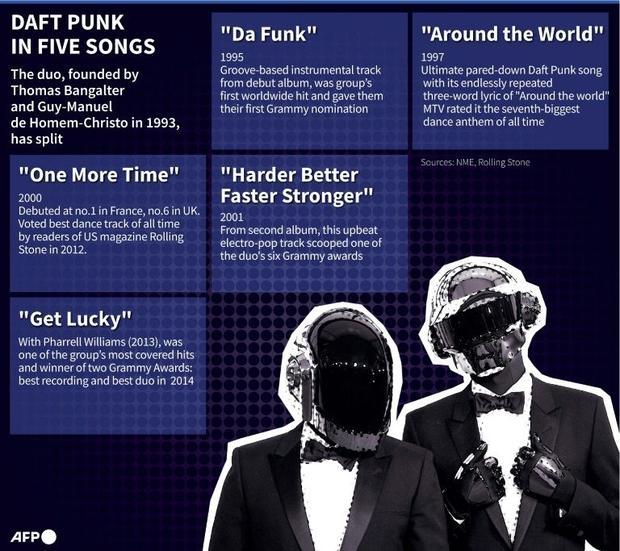
Daft Punk’s journey began in 1993 and carved a unique niche within the music industry. Their breakout singles, “Da Funk” and “Around the World,” established them as major players in the electronic music scene. With their 1997 debut album Homework, they honed a sound that merged house, techno, and disco, making their music not just danceable but an integral part of club culture around the world.
The duo’s ability to maintain an air of mystery complemented their pioneering sound. They donned their iconic helmets early on, which became a visual representation of their artistry. Thomas Bangalter and Guy-Manuel de Homem-Christo cleverly shielded their identities while simultaneously allowing their music to take center stage. This enigmatic persona allowed them to lead “normal lives” despite their global fame, a point Bangalter emphasized in a 2015 BBC documentary.
Grammy-Winning Achievements
From their 1995 single “Da Funk” to the Grammy-winning “Get Lucky” in 2013, Daft Punk forged a legacy characterized by innovation and creativity. They received six Grammy Awards, with Random Access Memories achieving monumental success, winning Album of the Year in 2014. The hit single “Get Lucky,” featuring Pharrell Williams and Nile Rodgers, became a cultural phenomenon, illustrating their ability to evolve while maintaining their distinctive sound.
Despite rumors of a new tour or album swirling over the years, the duo remained relatively quiet following their last album. They made a brief appearance at the 2017 Grammy Awards but largely retreated from the public eye. The anticipation surrounding their return fueled excitement, particularly when whispers of a Super Bowl half-time performance with The Weeknd circulated earlier this year.
Influence and Legacy
Daft Punk’s impact on electronic dance music (EDM) is profound. The duo pioneered spectacular sound-and-light shows that redefined live performances in the genre. Their reputation soared after their groundbreaking 2006 Coachella performance, where fans still recall the experience with reverence. French electro pioneer Jean-Michel Jarre aptly noted that the duo always “cultivated a taste for the paradoxical,” reflecting their ability to surprise and captivate audiences.
Musicians and fans alike expressed heartfelt tributes on social media. “Eternally grateful,” tweeted Christine and the Queens, while producer Marc Ronson hailed the duo as “gorgeous French robots,” commending them for leaving behind a “flawless legacy.” These sentiments underscore the profound influence Daft Punk had not only on EDM but across various musical genres.
The Road Ahead and Final Acts
Daft Punk’s trajectory was not without its twists. The duo’s background in the rock band Darlin’, which also included a future member of the French band Phoenix, foreshadowed their eclectic approach to music. After receiving a lukewarm reception from critics labeling their sounds as “daft punky thrash,” they rebounded, evolving into the electronic giants that would change the landscape of modern music.
Their trajectory continued with the release of Discovery in 2001, giving birth to timeless hits like “One More Time” and “Harder, Better, Faster, Stronger.” The duo’s ability to infuse unique concepts into their music was further exemplified in their ambitious collaboration with Japanese anime creator Leiji Matsumoto on the film Interstella 5555, which blended storytelling and music in a way rarely seen in the industry.
While their 2005 effort, Human After All, faced mixed reviews, the duo quickly redeemed themselves with the electrifying live shows that followed. Their experimentations, including a soundtrack for Disney’s Tron reboot, reinforced their relevance in evolving music landscapes.
As Daft Punk hangs up their helmets, they leave behind a legacy that will undoubtedly inspire future generations of musicians. Their innovative spirit, unique sound, and commitment to artistry challenge the norms of celebrity and artistry, ensuring they will always be remembered not just as musicians but as cultural icons who redefined an entire genre.