
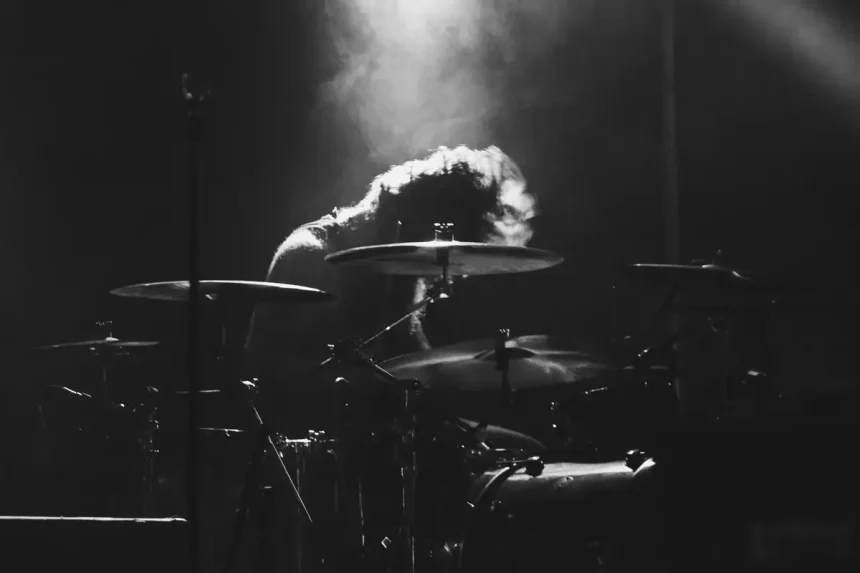
The Prodigy: Rave Rebels Turned Rock Icons
Strobe lights, sirens, and a synth line that feels like an alarm bell—few bands hit as hard on stage as The Prodigy when their hybrid of punk attitude and rave energy kicks in. Since their emergence from the fringes of the UK rave scene in the early 1990s, The Prodigy has turned breakbeats and distortion into a pop-cultural force, leaving a lasting imprint on the electronic and rock landscapes of today.
From Rave Outsiders to Global Headliners
The Prodigy was born during the UK rave explosion, a chaotic tapestry of DJs, producers, and dancers who congregated in fields and warehouses, driven by a love for breakbeats and acid house. Unlike many of their contemporaries, who remained faceless, The Prodigy carved out a distinct identity.
Producer and keyboardist Liam Howlett laid the groundwork for the group, using his Amiga computer to craft layered collages of samples and beats. He soon enlisted the talents of iconic performers Keith Flint and Maxim, as well as dancer Leeroy Thornhill, turning what began as a studio project into a fully realized live act that was visually and aurally captivating.
What set The Prodigy apart was their ability to fuse rave elements with rock and hip-hop sensibilities. Unlike others who leaned heavily on minimal vocal lines, The Prodigy thrived on shouted choruses and aggressive riffs, creating an atmosphere that felt raw and dangerous, reminiscent of punk more than club music.
As the underground rave scene faced increasing legal pressures in the UK, The Prodigy became one of the few acts to transition to mainstream success without sacrificing their intense sound. Their singles bounced off the walls of nightclubs while their albums pushed the boundaries of genre, melding distorted basslines with rock theatrics.
Crafting a Hybrid Sound
The unique sound of The Prodigy is a cauldron of influences—rave, hip-hop, punk, and rock. At the core of this fusion is Liam Howlett’s innovative production, which layers chopped-up drum breaks with menacing synths and vocal snippets.
From their bright, frenetic early tracks to the darker, more distorted sounds in later albums, how The Prodigy crafted their music was as much an art as a science. Synth lines evolved to resemble guitar riffs, anchoring songs and providing memorable hooks typically found in rock.
Flint emerged as a fierce, snarling vocalist, while Maxim’s contributions as an MC delivered an effective contrast. This interplay fostered a dynamic within the music, creating an exhilarating energy that translated seamlessly on stage, inviting audience reactions that felt visceral and spontaneous.
Indeed, their focus on live performance coupled with studio innovation allowed The Prodigy to remain relevant despite fluctuations in electronic music genres. They carved out a niche that emphasized rhythm and intensity, navigating genre shifts while maintaining their distinctive image.
The Prodigy and U.S. Audiences
For U.S. listeners, The Prodigy transcended their status as a British act. They opened doors for heavier forms of electronic music to penetrate American mainstream culture, particularly during the late 1990s when rock and electronic music began to converge.
Tracks built on rave culture’s raw energy resonated with American fans used to the aggressive sounds of metal and hardcore punk. The explosive energy of their shows—characterized by crowd surfing and raw charisma—made them a unique presence in a landscape dominated by traditional rock.
In the U.S., The Prodigy was often grouped with artists like The Chemical Brothers, yet their snarling attitudes and mosh-pit scenes set them apart. Their crossover appeal made them iconic figures during a time when the industry began to recognize the potential of electronic acts at rock-oriented festivals.
Rave Origins and Early Momentum
Emerging in Braintree, Essex, The Prodigy was part of a wider regional rave culture that burgeoned in the 1990s. Liam Howlett began crafting tracks that reflected his love for hip-hop, while Flint and Thornhill embodied the high-octane essence of rave through dance.
Their earliest releases captured not just the chaotic spirit of the UK rave scene but also established them as a band capable of appealing to wider audiences. As legal pressures mounted on unlicensed raves, The Prodigy’s confrontational image introduced them as a rebellious force that aligned more with rock ethos than club culture.
This individuality ensured their survival as trends evolved, resisting the temptation to morph entirely with each new genre du jour. Instead, they maintained a fierce integrity that allowed them to reframe the landscape of electronic music while connecting effortlessly to multitudes of fans.
Key Albums and Lasting Influence
The Prodigy’s discography showcases an evolution that spans across genres. Their early work set a foundational template that would allow for flexibility in approach. Albums like The Fat of the Land showcased their ability to thrive alongside rock and hip-hop giants.
Tracks like “Firestarter” and “Breathe” became instant classics, exemplifying their knack for balancing aggression with catchy melodies. As a result, their music transcends pure nostalgia, offering relevance that continues to resonate through contemporary playlists.
Their eclectic style invites a comparison to modern artists who blend different genres, proving that the innovation displayed by The Prodigy still reverberates in the music of today.
Social and Streaming Snapshots
The Prodigy maintains a robust presence on social media and streaming platforms, ensuring their legacy stays in circulation. Classic tracks are continually discovered by new generations, often featured in playlists that span across rock, electronic, and alternative genres.
Their unique ability to encapsulate chaos and adrenaline makes them a staple in high-energy settings, from festivals to action-packed movie soundtracks. The resulting cultural snapshot underlines how their music remains integral to current sonic landscapes.
Frequently Asked Questions About The Prodigy
What kind of music does The Prodigy make?
The Prodigy is known for their eclectic sound that intertwines rave-era breakbeats with punk aggressiveness and rock theatrics. Their music often features hard-hitting beats, distinctive shouted lyrics, and a chaotic energy that draws in listeners across multiple genres.
Why are The Prodigy considered so influential?
The Prodigy is regarded as highly influential because they demonstrated that electronic acts could cross into the arena typically dominated by rock bands. Their hard-hitting, energetic style paved the way for other bands to embrace a hybrid sound without compromising intensity.
Where should new listeners start with The Prodigy’s catalog?
New listeners might begin with iconic singles like “Firestarter” or “Breathe.” Exploring full albums, such as The Fat of the Land, reveals a broad spectrum of moods and styles, underscoring the group’s evolution and the depth of their catalog.
Further Reading and Official Prodigy Links
For those interested in exploring The Prodigy’s work and impact further, their websites and social media outlets serve as a treasure trove of information, updates, and catalog access. Whether new to their music or revisiting their classic tracks, The Prodigy remains a vital part of the musical conversation, echoing through festival grounds and playlists alike.