Discovering Detroit: A Journey Through Techno and Community
Early Days: A Raver’s Pilgrimage
In 1997, I set out on a transformative journey that would shape my understanding of a city and a music genre. As a raver from California, I embarked on a five-month road trip across the U.S. in my trusty 1982 Volkswagen Vanagon. Detroit, known as the birthplace of techno, was a must-visit. At that time, the city’s underground techno scene was clandestine, buzz-building among an elite group of enthusiasts. Armed with little more than a yearning for beats and culture, I made my way to the heart of techno’s origin.
- Early Days: A Raver’s Pilgrimage
- A New Chapter in Detroit
- The Transformation of Detroit’s Techno Scene
- Understanding Belonging in Techno Culture
- Techno Tourism in Challenging Times
- Authentic Experiences in a Globalized Festival Landscape
- Exploring the Scene Beyond Downtown
- Forms of Recognition: The Role of Repeat Tourists
- Celebrating Local Roots with Tec-Troit
- A Shared Commitment to Culture
A New Chapter in Detroit
My initial visit to Detroit sparked a long-lasting affair with the city. After my trip, I was drawn back during my graduate studies at the University of Michigan, focusing on the very music that filled Detroit’s cultural veins. I eventually transitioned from a student to a committed resident, seeing the city grow and shift while contributing to its electronic music discourse.
The Transformation of Detroit’s Techno Scene
A notable change during my time in the city has been the evolution of the Movement Festival. Initiated in 2000, this free electronic dance music festival now attracts approximately 90,000 attendees each year over Memorial Day weekend. The festival has become a crucial part of Detroit’s resurgence, blending local energy with global tourism.
Longtime residents, however, argue that the city has always held the community and creativity that make it unique. While outsiders may categorize it as a “revival,” locals see it as a continuation of a rich legacy. The growth of this festival indicates a robust tourism infrastructure that didn’t exist during my first visit, creating a bridge for the next wave of techno tourists.
Understanding Belonging in Techno Culture
The notion of belonging in Detroit’s techno scene is complex. Some techno tourists aim to gather experiences that grant them a semblance of recognition and inclusion, yet this recognition often remains superficial. It’s insufficient to rely on a simplistic binary of locals versus tourists; the reality is crafted from nuanced relationships and layers of connection.
Techno Tourism in Challenging Times
In the face of despair—marked by decades of disinvestment and economic instability—techno tourists began arriving in Detroit during the late 1990s and early 2000s. While the city faced significant challenges like white flight and systemic neglect, the vibrant creativity from marginalized communities flourished. This sonic landscape was born from the struggles of Black Detroiters, who visualized a future where inclusion and music could serve as lifelines.
Legendary figures like Juan Atkins and Derrick May pioneered the genre, inspiring countless artists to explore and innovate within this soundscape that merged influences from various genres. But even within this culturally rich scene, the systemic barriers remained. Music industry gatekeepers have often hindered opportunities for Black artists, complicating the evolution of techno as it transitioned into a global industry.
Authentic Experiences in a Globalized Festival Landscape
One thing sets Detroit techno apart: a living scene still anchored in community. This authenticity attracts tourists who seek more than just the mainstream festival experience. Many locals strive to preserve this authenticity, ensuring that visitors connect to the roots of the music in a genuine way.
Events that deviate from the corporate festival framework often attract both locals and informed tourists alike. For example, Underground Resistance, a prominent collective in the techno community, once organized cabarets that embodied Detroit’s cultural essence. These gatherings moved away from commercial models and focused on celebrating local DJs who represent the true spirit of the music.
Exploring the Scene Beyond Downtown
While the Movement festival dominates much of the attention during its weekend, Detroit offers experiences that are not limited to downtown. Local artists like Moodymann often host intimate events, striking a balance between community-oriented gatherings and the high-priced showcases from out-of-town promoters.
These events allow both locals and repeat visitors to create rich, personal interactions with the music and culture, often fostering deeper connections that extend beyond the festival’s reach.
Forms of Recognition: The Role of Repeat Tourists
Encountering repeat techno tourists, like my friend Fred from California, has offered a different perspective on belonging. These individuals often gain recognition within the community by cultivating knowledge and connections over time. However, despite their dedication, they often lack the lasting ties that come with residency.
Repeat tourists act as conduits, contributing to the dissemination of techno culture while remaining reverent to its origins. They create bridges that maintain a connection to the community, even as they navigate the complexities of their outsider status.
Celebrating Local Roots with Tec-Troit
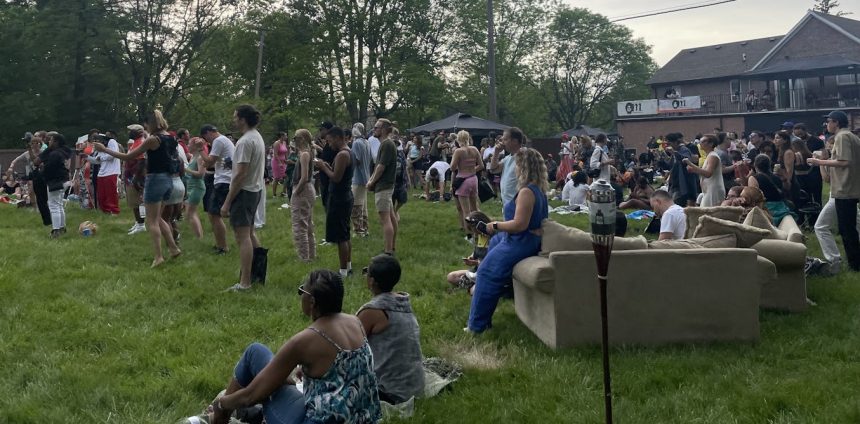
Another significant event is Tec-Troit, an annual electronic festival focused on showcasing local talent. Launched in 2011, this festival reinforces connections to Detroit’s techno roots while fostering a welcoming environment for locals and tourists alike.
Interestingly, Tec-Troit aims to create space for emerging artists, offering various workshops and outreach programs to engage Detroit youth. It embraces the essence of community and accessibility, contrasting sharply with the exclusivity often seen during larger events.
A Shared Commitment to Culture
Through my time in Detroit and the evolution of its techno scene, the journey has revealed a vital aspect: the commitment to nurturing local culture. While the high-profile Movement festival garners more attention and ticket sales, Tec-Troit offers a space where anyone can discover, learn, and connect.
The balance between celebration and commercialization remains delicate, and local voices are crucial in shaping narratives around Detroit’s musical legacy. Through education, events, and a collective respect for the roots of this culture, the spirit of techno remains resilient, evolving yet deeply anchored in the community’s heartbeat.