One of the most striking features of the new Blackpool festival, The Black Lights, is its bold programming style. In a mere two minutes, attendees can transition from the closing notes of the BBC Philharmonic’s performance of John Adams’ symphonic masterpiece, *Harmonielehre*, held in an awe-inspiring art deco concert hall, to a side room pulsating with breakbeat techno courtesy of DJ Afrodeutsche. This juxtaposition of high art and club culture sets the tone for the festival, showcasing a heartening disinclination to categorize art as either “high” or “low.” The event is a masterclass in why such distinctions matter little in the vibrant landscape of modern artistic expression.
Curated by the team behind the now-closed Salford venue, The White Hotel, The Black Lights captures the spirit of the underground while also reveling in absurdity. This blend can be felt throughout the three-day event, as the curators craft experiences that reflect a sensation of ‘anything goes.’ As attendees wander through the festival, they encounter engaging performances and installations that defy conventional expectations, all set against the backdrop of Blackpool— a town imbued with faded glamour and undeniable grit.
Blackpool was chosen for its rich cultural heritage and as a beacon of coastal escapism for the north-west. The festival opens with a reflective message, crafted in a style reminiscent of Rupi Kaur, which sets the emotional tone: “Look around, every person here arrived carrying a private dream…” While some may feel uncomfortable with this romanticization of Blackpool’s evident challenges—homelessness, substance use, and dilapidated buildings—a sense of affection for the town prevails. The festival embraces its kitsch elements while offering democratic gestures, such as free drop-in electronic music workshops led by artists like Mark Fell and Rian Treanor. Here, the absurdity shines through—one participant is seen improvising on nothing but a plugged-in banana.
Reflecting Blackpool’s rich dance heritage, the festival features a set by The Caretaker, a notable North-West ambient musician whose corroded recordings have surprisingly made waves on TikTok. This performance is anchored in the grandeur of the Blackpool Tower Ballroom, accompanied by live ballroom dancers. With a strobe light illuminating the venue, The Caretaker’s dinner jazz compositions morph into a noise-driven spectacle, capturing the audience’s attention. While captivating, he is later upstaged by Klein, who delivers an enveloping experience of cacophonous guitar noise intertwined with sudden drill beats, paving the way for transcendent soundscapes.
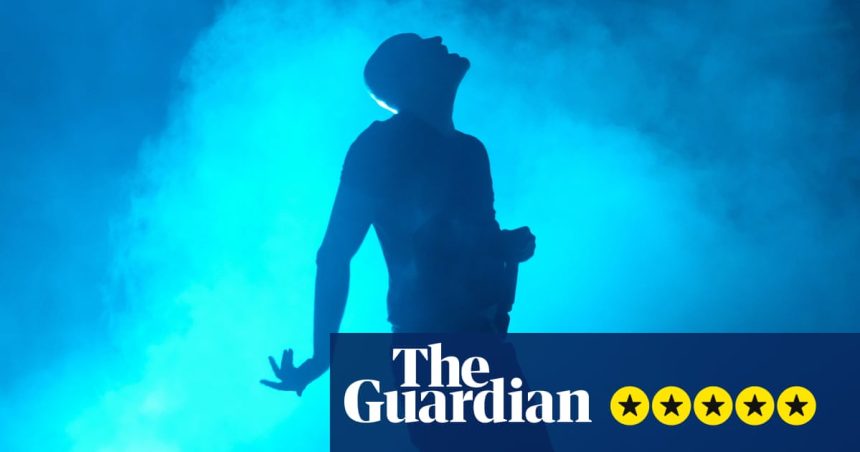
One of the festival’s cornerstone performances is led by Blackhaine, a towering figure in the world of rage rap, known for his striking stage presence and intense emotional range. Echoing the movement of figures like Playboi Carti, he delivers anguish-laden bursts of declarative rap against the backdrop of an old-school streetlight in the Winter Gardens—a poignant reminder of time and the lost past. This performance sets the stage for a stellar Saturday night, marked by an electric atmosphere.
Autechre-adjacent collective Gescom captivates with a frenetic set of playful, glitchy polyrhythmic techno that pairs seamlessly with stunning laser visuals. Evian Christ’s set, known for its psychedelic aggression, rounds out the night as he works the crowd with flashes of trance and big beat, culminating in well-loved throwbacks like Millie B’s Blackpool bassline classic, *M to the B*. Anz and Crystallmess take the stage for a late-night jam that keeps the energy alive until the early hours.
The festival turned traditional venues into lively platforms for exploration. Nazar delivers kuduro beats in the Pleasure Beach’s function rooms, while Red Laser and Bakk Heia spin house tracks within the Blackpool Catholic Club. Jennifer Walton howls of grief from the altar of a sparkling Spiritualist church, showcasing the festival’s commitment to transcending ordinary boundaries. In the Bootleg Social indie club, rap artist Jawnino’s exuberant set prompts spontaneous joy, while Lintd’s theatrical flows blend jazz and Afrobeat rhythms, establishing yet another highlight of the festival. Moin’s progressive take on post-rock, informed by UK bass culture, offers attendees a euphoric listening journey that stands out among the weekend’s offerings.
The Black Lights positions itself as a refreshing British counterpart to renowned experimental European festivals like Kraków’s Unsound and The Hague’s Rewire. It doesn’t shy away from commissioning new works either; a fascinating orchestral piece by Mica Levi adds layers of complexity with its intricate sound design—think far-off fireworks and avian calls crafted to evoke an emotional response. While the festival suffers from typical first-year hiccups, such as delayed timings, this sense of casualness aligns perfectly with “Blackpool time”—a state where the pressures of daily life seem blissfully suspended, allowing attendees to immerse themselves fully in the experience.