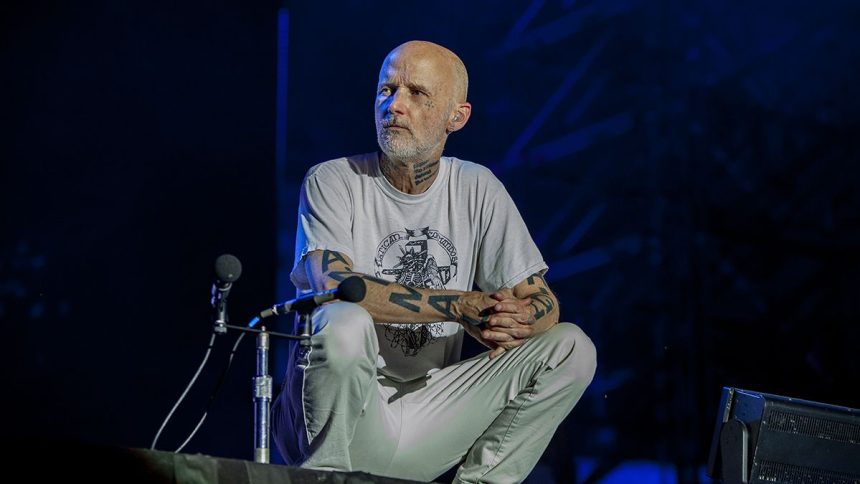
Moby’s Tribute to the British Rave Scene at On The Beach Festival
Moby has made waves recently at the On The Beach festival in Brighton, using his headlining set to honor the heritage and influence of the British rave scene. The 60-year-old producer knows a thing or two about rave culture, having immersed himself in it during the early ’90s—a pivotal time when electronic music blossomed into a global phenomenon.
A Cultural Infusion
In a landscape where the rave movement was predominantly a British creation, Moby stood out as an American enthusiast. Between 1990 and 1992, Britain served as the cradle for a seismic shift in youth culture. The producer recalls how, from a young age, he was captivated by British music and the spirit of rebellion it encapsulated. “When I was growing up, I was such an Anglophile,” he shared. His admiration began with comedy shows like Monty Python but quickly spiraled into a deep-seated love for bands like the Sex Pistols, Joy Division, and The Clash. These artists shaped not just his musical sensibilities but also his entire career path.
The Explosion of House and Techno
Moby emphasized the UK as the birthplace of numerous electronic genres, declaring it as the site where both house music and techno exploded into the mainstream. “Thanks to the originators like Paul Oakenfold and Danny Rampling, you guys invented rave culture,” he pronounced, nodding to the innovators who shaped a movement that reverberated across continents. This era was marked by an unparalleled speed of cultural change fueled by the UK’s geographical compactness and centralized media, positioning it as the epicenter of emerging sounds.
Personal Connection to Rave Culture
As Moby reminisced about his formative experiences, he vividly recalled attending a Raindance party in 1991. “It was warm, it was beautiful—there were 10,000 people just celebrating,” he recounted. Among the myriad of memories, one song stood out: “Everybody’s Free” by Rozalla. “It had just come out and everyone threw their hands in the air; it felt like perfection.” This moment encapsulated not just the exhilaration of those gatherings but also the collective spirit of rave culture that Moby dedicated his final song to during his set.
Evolution Beyond Techno
While Moby’s roots are firmly planted in the techno scene, his career has evolved to encompass a myriad of genres, showcasing his versatility as an artist. From his punk rock-inspired Animal Rights album to the cinematic soundscapes of I Like to Score and the ambient tones of his most recent work, Future Quiet, Moby has rarely stayed within the confines of a single genre. This evolution reflects not just his artistic journey but also the fluidity and ever-changing landscape of music.
The Success of Play
Perhaps Moby’s most iconic work is the album Play, a record that defies easy categorization. Built on samples from classic soul and blues recordings, Play sold over 12 million copies, sealing Moby’s status as a musical icon. The album’s unique blend of influences stands as a testament to the sampling culture that emerged alongside electronic music, linking the past with contemporary soundscapes.
Through his recent tribute at the On The Beach festival, Moby invoked a nostalgic yet vital appreciation for the roots of rave culture, illustrating how a genre that captured the essence of celebration continues to influence artists around the world today.