Calvin Harris Makes History as the First DJ to Close Rock in Rio
On September 6, 2026, Calvin Harris etched his name into the history books of Rock in Rio by becoming the first DJ to close the iconic Palco Mundo stage as the day’s headliner. This milestone came during his inaugural performance at the festival, perfectly timed to coincide with the 25th anniversary of electronic music’s dedicated area within the event. In 2001, electronic music was introduced as a separate segment of the festival for the first time, marking a pivotal shift in Rock in Rio’s musical landscape.
The Evolution of Electronic Music at Rock in Rio
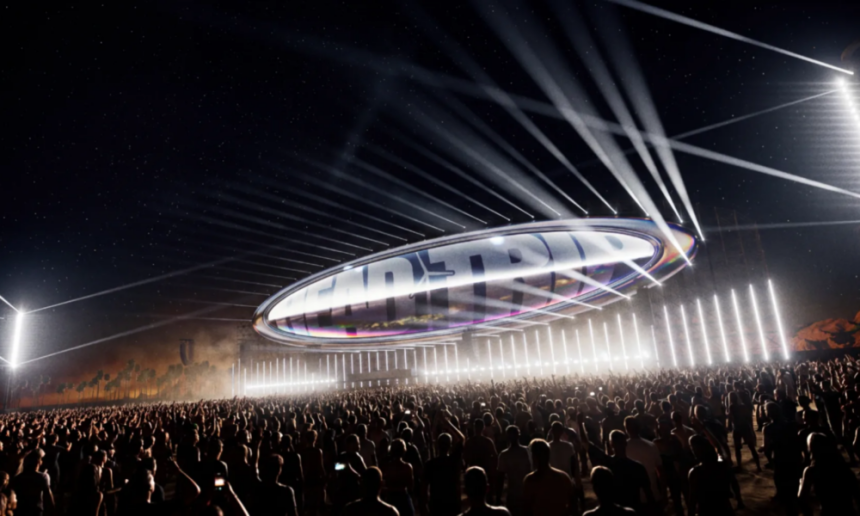
The journey of electronic music at Rock in Rio began humbly in 2001 with the introduction of a dedicated electronic music tent, creating a space for DJs and electronic artists within the sprawling Cidade do Rock. Initially, the festival was synonymous with rock acts, but over the years, it recognized the growing popularity and impact of electronic music. What started as a small tent has radically evolved; by 2026, the festival featured the New Dance Order stage, a full-fledged platform measuring 56.5 meters wide and 22.5 meters tall, adorned with over 500 square meters of LED screens, illustrating how deeply embedded electronic culture has become in the festival’s fabric.
Constant incorporation of electronic artists across different stages has turned Rock in Rio into a vibrant tapestry of multiple musical genres. In addition to the spotlight shone on DJs at the New Dance Order stage, acts like Alok also showcased their talents on the main stage, Palco Mundo. As the festival matured, names like David Guetta, Marshmello, and Alok laid the groundwork for what would culminate in Harris’s historic headline closing performance.
A Celebration of Musical Diversity
The 2026 edition of Rock in Rio brought a medley of musical styles, uniting rock, pop, hip-hop, K-pop, and electronic music across its seven-day lineup. With headliners including the Foo Fighters, Elton John, and Twenty One Pilots, the festival showcased the vast diversity of the music industry. Calvin Harris’s ascent to the coveted closing act slot on Palco Mundo signified a monumental acknowledgment of electronic music’s place in the larger festival narrative, demonstrating its transformation from a secondary genre to a leading force on one of the world’s most prestigious stages.
Calvin Harris’s Inaugural Set: A Fusion of Electronic and Pop
Calvin Harris’s debut set at Rock in Rio was a celebration of not just electronic music, but its intertwined history with global pop. Known for his collaborations with heavyweights like Rihanna, Dua Lipa, Ellie Goulding, and The Weeknd, Harris brought a catalog that resonates with both electronic aficionados and mainstream audiences alike. Tracks such as “One Kiss,” “This Is What You Came For,” and “How Deep Is Your Love” made their way into the set, showcasing a repertoire that has firmly rooted itself in club culture while achieving peaks on music charts worldwide.
Harris’s performance didn’t merely present a medley of hits; it exuded a vibrant energy that encapsulated two decades of dance music evolution. Each song not only replayed the anthems that fans had come to love but also reinforced the evolution of his sound and the journey electronic music has traveled within a festival that now embraces it wholeheartedly.
A Milestone Reminiscent of the Past, Looking Toward the Future
As Calvin Harris closed Palco Mundo on that unforgettable September night, he effectively bridged the historical journey of electronic music at Rock in Rio, connecting its origins to its current grand stature. The festival’s decision to place a DJ at the helm of the night’s closing set was more than a booking choice; it was a nod to the genre’s immense growth and its rightful place within the festival’s lineage.
Years of hard work and evolution played out on stage, reflecting not just Harris’s journey as an artist but also the broader acceptance and celebration of electronic music within mainstream culture. The symbolic nature of Harris’s performance was a statement on how far the festival has come since it introduced a mere tent for electronic artists two-and-a-half decades ago, marking a point of pride for fans and artists alike within the expansive history of Rock in Rio.