
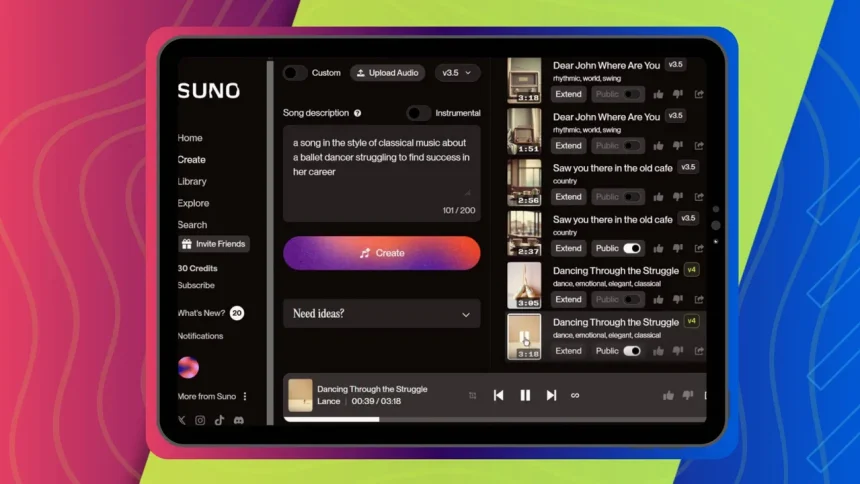
A Fresh Leak in the AI Music World: Unpacking the Suno Controversy
A recent leak has unveiled crucial details about Suno, a powerful AI music generator, intensifying discussions surrounding copyright laws in the digital age. This revelation sheds light on how the company allegedly trained its models, raising significant ethical and legal questions in the intersection of technology and creativity.
The Leak: What Do We Know?
According to 404 Media, the leak comprises hacked internal documents that suggest Suno scraped millions of copyrighted songs and lyrics from prominent services such as YouTube Music, Deezer, and Genius. These insights indicate that Suno’s AI models were trained on extensive datasets, including over two million clips from YouTube Music and thousands of hours of vocal recordings, lyrics, and even podcasts. Despite months of speculation about Suno’s training practices, this leak provides the clearest picture yet.
This revelation is particularly significant as it comes amidst ongoing high-profile copyright lawsuits against Suno from major record labels. These labels allege that the company unlawfully used their protected recordings for training purposes.
The Fair Use Defense: Is It Justifiable?
Suno has maintained that its models were trained primarily on publicly available music files and associated metadata, asserting that its actions fall within the bounds of fair use. However, the leaked documents appear to contradict this claim, highlighting extensive scraping from proprietary platforms. This puts into question whether the company can genuinely defend itself against allegations of illegal usage and copyright infringement.
The core of the debate centers around what constitutes fair use in the context of AI. As generative music technology flourishes, defining the boundaries between innovation and unauthorized use is becoming increasingly complex. The outcome of these legal battles could set important precedents for the future of both AI and music ownership.
Impact on Customers and Data Security
The breach did not only expose crucial details about how Suno collects and uses data—it also compromised customer information. Details such as email addresses, phone numbers, and limited Stripe-related payment information were reportedly breached. Suno claims that the incident occurred in late 2025 and involved outdated code rather than sensitive financial details.
Interestingly, the company decided not to notify affected users, asserting that the breach did not meet the legal criteria for notifications. This aspect of the incident has prompted concerns regarding data security and the responsibilities companies hold toward their users.
Broader Implications for the Music Industry
As the debate intensifies, the leak raises critical questions about the future of music generation technologies. While tools like Suno offer innovative approaches to creating art, they also provoke anxiety among musicians and creators regarding intellectual property rights. The central question remains: where do we draw the line between innovation and infringement?
The rapid advancement of AI technologies in creative fields forces us to reconsider existing legal frameworks. As the industry grapples with this evolving landscape, both artists and tech innovators must find a way to navigate this tricky terrain responsibly.
Looking Ahead: The Future of AI and Music
The revelations surrounding Suno’s practices will likely influence not only its legal outcomes but also the industry at large. As generative music tools continue to evolve, conversations around copyright, fair use, and ethical usage will become increasingly vital. Indeed, the future of music may depend on our ability to strike a delicate balance between artistic creativity and the rights of original creators.