A Dive into Indie Sleaze: The Soundtrack of Subversion
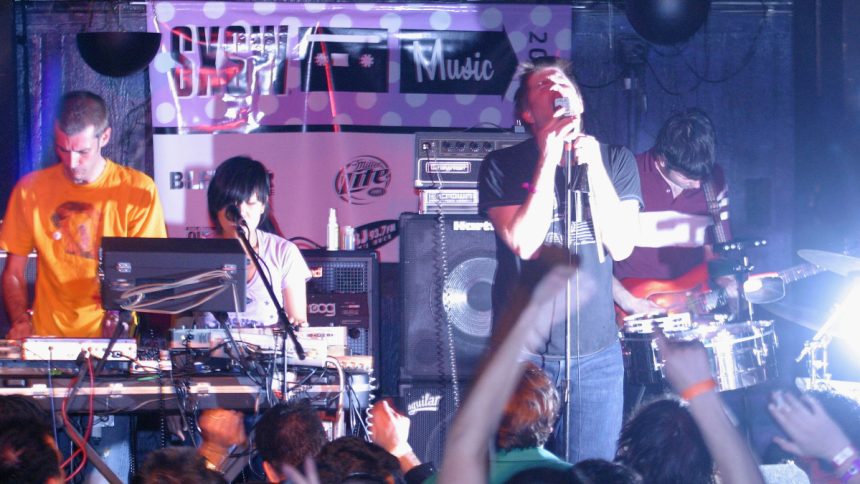
Indie sleaze, a term that elicits both nostalgia and curiosity, occupied a unique space in the music scene of the mid-2000s. While some may argue about its actual existence, the genre undeniably thrived on a spectrum—from jangly indie rock and melancholic acoustic melodies to the sleazy vibes of pop, electroclash, and electronic dance music. This blend birthed an aesthetic marked by a façade of intentional neglect, commonly referred to as “debauchery chic,” where club-goers reveled in the dimly lit corners of venues—with a few fake IDs in their pockets.
Defining Indie Sleaze
At its core, indie sleaze was a playful rebellion against the polished perfection that often dominated mainstream music. It embraced a raw energy, celebrating imperfections and chaotic lifestyles as part of its allure. Many were mesmerized by the era’s spirited ambiance, as it presented an escape from mundanity. Yet, for all its allure, the charm of indie sleaze echoed a fleeting nature, with many attributing its decline to the growth of the very artists it helped elevate.
Essential Albums of Indie Sleaze
Though the scene was ephemeral, certain albums stood as pillars of the indie sleaze movement. Here are three essential records that captured the spirit of an era that many argue was as magical as it was chaotic.
‘LCD Soundsystem’ by LCD Soundsystem
LCD Soundsystem emerged on the scene with their self-titled album in January 2005, encapsulating the dance-rock essence that defined indie sleaze. The standout single, “Daft Punk is Playing at My House,” soared to No. 1 in the U.K. charts and earned a Grammy nomination in 2006, marking a significant milestone for the band.
The unique blend of electronic beats and rock elements resonated deeply with the indie sleaze crowd, making it a club staple. The album not only captured the chaotic nightlife but also embodied the ethos of a generation navigating the realms of adulthood with an insatiable thirst for experiences. Their sound was both a tribute to dance music and an exploration of personal introspection, a duality that resonated broadly in those late-night haunts.
‘Human After All’ by Daft Punk
Released shortly after LCD’s debut in March 2005, Daft Punk’s Human After All is an album laced with paradoxes—while it was minimalist and experimental, it also delved into darker themes. Critics had mixed feelings: some praised its audacious exploration of electronic sound, while others lamented its departure from the duo’s earlier work.
This album played into the indie sleaze’s fascination with the underbelly of glamour, mirroring the ups and downs of the party lifestyle with its moody undertones. Tracks from Human After All found their way into underground DJ sets, familiarizing listeners with the “darker” side of electronic music amidst the exuberant atmosphere of nightlife.
‘Plans’ by Death Cab for Cutie
By August 2005, Plans, Death Cab for Cutie’s fifth studio album, became emblematic of the softer, introspective side of indie sleaze. Featuring beloved singles like “I Will Follow You Into the Dark” and “Soul Meets Body,” the album was a masterclass in blending acoustic sensitivity with mainstream appeal.
While Plans resonated with a broader audience, it simultaneously saturated the indie sleaze scene, challenging the notion of what it meant to be “indie.” The juxtaposition of mainstream success intertwined with underground aesthetics provided a fertile ground for discussions about identity and belonging in the music industry.
The Cultural Impact of Indie Sleaze
Indie sleaze’s cultural implications extended beyond music; it shaped fashion, art, and social behavior in a way that reflected the era’s broader youthful discontent. The grimy aesthetics punctuated by vibrant color palettes, thrifted vintage outfits, and a mix of punk and glam rock influences created a distinctive visual language that resonated with disaffected youth.
The scene’s embrace of irony and a carefree attitude painted a vivid picture of urban life during a time of uncertainty. This perplexing beauty—caught in the web of reckless abandon and artistic sincerity—invited both participants and onlookers into a realm where boundaries blurred, allowing for a unique tapestry of experiences.
Conclusion
While the legacy of indie sleaze may feel like a fading echo, it undeniably left an indelible mark on music and culture of its time. Its infectious spirit of rebellion and the embrace of imperfection resonate with many today, reminding us that sometimes, it’s the slightly disheveled, offbeat pathways that lead to the most unforgettable adventures.
Indie sleaze was not just a musical genre; it was a statement, an experience, and a vibrant chapter in the continuous evolution of youth counterculture. The records that defined this time continue to influence new generations, as the thirst for authentic expression never really fades.