No Music For Genocide Campaign Demands Israel Ban from Eurovision 2026
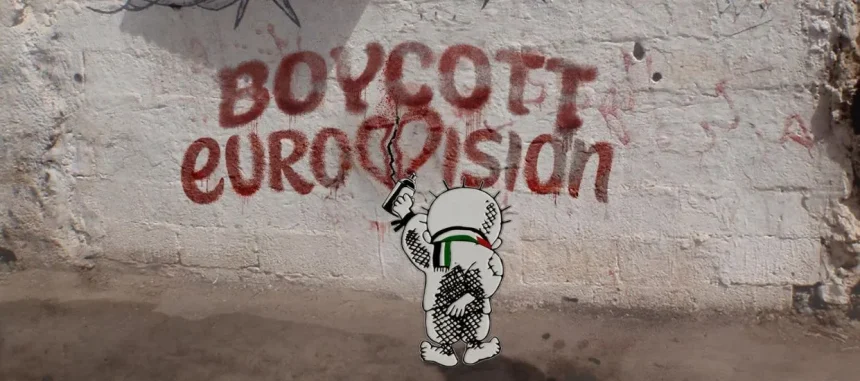
No Music For Genocide (NMFG) is making headlines as it gathers momentum in calling for a cultural boycott of the 70th Eurovision Song Contest. Spearheaded by over 1,000 artists and music labels, the initiative aims to ensure that Israel is banned from future participation, specifically in the upcoming 2026 contest in Vienna.
Origins of the Campaign
Launched in September 2025, NMFG has rapidly gained traction, fueled by a collective outcry against the ongoing violence in Palestine. The movement highlights what it describes as the hypocrisy of the European Broadcasting Union (EBU). While the EBU banned Russia from competing in 2022 due to the invasion of Ukraine, it has thus far maintained its relationship with Israel’s broadcaster, KAN, amidst geopolitical turmoil involving Gaza and Lebanon. This connection is seen by advocates as tacit approval of Israel’s actions, which many consider genocidal.
High-Profile Support
The NMFG campaign boasts an impressive lineup of signatories that includes renowned musicians like Brian Eno, Massive Attack, Paloma Faith, and IDLES. On April 21, 2026, these artists released an open letter urging fans, broadcasters, and performers to refuse participation in Eurovision unless Israel is banned from the contest. Their message resonates with broader sentiments of solidarity and ethical responsibility, underscoring that inaction can equate to complicity.
Belfast trio Kneecap voiced this sentiment clearly: “Silence is complicity. We stand with No Music for Genocide and every artist, fan, and broadcaster who refuses to let the world’s biggest music event be used to whitewash genocide.” Such resolute statements are echoed throughout the music community, with many asserting that the competition risks becoming a platform that normalizes systemic injustices.
Cultural Boycott Movements in Context
The NMFG initiative draws parallels to the historical cultural boycotts against apartheid South Africa, a time when art and music played crucial roles in the anti-apartheid struggle. The current campaign not only aims to amplify the voices of marginalized communities but also to make a powerful statement within the global music industry. The goal is straightforward: the world’s largest music event should not serve as a vehicle to legitimize oppressive regimes.
Organizers emphasize that Israel has been engaging in oppressive practices for decades, including military occupation and systematic discrimination against Palestinians. By spotlighting these ongoing issues, NMFG seeks to instigate a larger conversation around morality in the arts and the responsibilities artists carry.
Responses from the Eurovision Community
The impact of NMFG is already being felt within the Eurovision community. Several broadcasters from Spain, Ireland, Iceland, Slovenia, and the Netherlands have announced their withdrawal from participating in the contest, signaling a deepening rift around the Israeli presence in Eurovision. This move marks a significant moment in the ongoing debate about the intersection of culture, politics, and ethics.
The letter’s call for boycotting Eurovision unless Israel is banned is a rallying cry for grassroots organizing across Europe. In an environment where major events can be platforms for both cultural celebration and political expression, NMFG urges fans and participants to take a stand.
The Call for Action
For those looking to support the NMFG initiative, there are various ways to engage. The movement encourages individuals to sign their open letter and join the growing chorus advocating for a cultural boycott until a change is made in Israel’s participation. By mobilizing both artists and fans, NMFG seeks to shift the narrative surrounding music events like Eurovision, ensuring that they reflect the values of justice and equality.
Understanding the ramifications of participation, and the symbolic weight that such cultural gestures carry, could reshape how major events are perceived. In an age defined by calls for social justice and ethical accountability, the No Music For Genocide campaign is at the forefront, challenging the status quo and inviting reflection on the responsibilities of the global music community.