
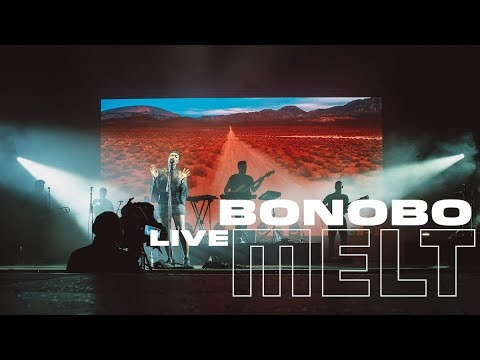
Bonobo Live at Melt Festival 2017: A Fusion of Technology and Human Expression
In the realm of electronic music, few artists have mastered the art of live performance as Simon Green—better known by his stage name, Bonobo. A recent highlight of his career occurred on July 14, 2017, during the Melt Festival in Germany, where he brought his intricate compositions to life with a full ensemble of musicians. This performance, set against the dramatic backdrop of Ferropolis—often referred to as the “City of Iron”—showcases how Bonobo seamlessly integrates technology with live instrumentation.
- Bonobo Live at Melt Festival 2017: A Fusion of Technology and Human Expression
- The Venue: Ferropolis – A Unique Festival Landscape
- The Musical Journey: From Studio to Stage
- Opening with Atmosphere: The Set Begins
- A Human Touch: Integrating Vocals
- Revisiting the Classics: A Journey Through Time
- The Power of Live Interaction
- A Natural Progression: Building a Narrative
- The Takeaway: An Enduring Legacy
The Venue: Ferropolis – A Unique Festival Landscape
Ferropolis is more than just a festival site; it’s a historical industrial landscape that once served as a mining area. The towering remnants of excavating machinery create a striking juxtaposition against vibrant stages, making it an extraordinary location for an electronic music performance. This setting complements Bonobo’s music, which often bridges the gap between mechanical precision and organic sound. It’s a place where the industrial past meets the contemporary soundscape, enriching the auditory experience with visual depth.
The Musical Journey: From Studio to Stage
Bonobo’s music often occupies a special space—floating between the high-energy atmosphere of a club and the serene environments of concert halls. His compositions, layered with hypnotic rhythms and lush melodies, can transform significantly when translated to a live format. The challenge lies in maintaining the intricacy of his studio recordings while delivering the dynamic energy of a live performance.
To achieve this, Bonobo assembled a diverse touring band, including drummers, keyboardists, string players, and vocalists, who collectively infuse his electronic compositions with a fresh vibrancy. The outcome is a multifaceted sound where live interpretations enhance the emotional depth of the music, inviting audiences to experience familiar tracks anew.
Opening with Atmosphere: The Set Begins
The performance at Melt Festival kicked off with “Migration,” the title track from Bonobo’s acclaimed 2017 album. This opening selected a spacious, cinematic atmosphere that set the tone for what was to follow. The audience was introduced to Bonobo’s signature style—richly detailed arrangements layered with thoughtful rhythmic intricacies, enticing listeners into a meditative state.
Following “Migration,” the set progressed with “7th Sevens,” which highlights the artist’s focus on rhythm and the gradual unfolding of musical ideas. This track exemplified how Bonobo weaves intricate textures into his arrangements, inviting listeners to lose themselves in the music’s complexities.
A Human Touch: Integrating Vocals
One of the standout features of Bonobo’s live performances is the use of vocalists, which adds a human element to the otherwise electronic soundscape. During the Melt Festival performance, vocalist Szjerdene joined the ensemble to perform “Break Apart,” a track originally featuring Rhye on the studio version. This live adaptation showcased Bonobo’s ability to reinterpret his music while still retaining the essence of the original piece.
Szjerdene’s contributions extended to several other tracks, including “Towers,” “Surface,” and “No Reason,” offering audience members a human connection within the music’s otherwise instrumental framework. This blending of vocals with intricate arrangements creates a unique auditory experience, as the voices intermingle with instrumentation rather than simply sitting atop it.
Revisiting the Classics: A Journey Through Time
Not only did the performance spotlight tracks from “Migration,” but it also revisited earlier works that shaped Bonobo’s reputation as a leading figure in electronic music. “Kiara” and “Kong” from the album “Black Sands” brought the audience back to 2010, reminding them of Bonobo’s blend of electronic production with organic sounds. These tracks proved particularly effective in a live format, with “Kong” allowing for extensive opportunities for percussion embellishment and instrumental expressions.
Another highlight was “Bambro Koyo Ganda,” which introduced further international influences that pervade Green’s body of work. This track transitioned smoothly into “Cirrus,” one of Bonobo’s most recognizable pieces, known for its interlocking rhythms and melodic layers. The live rendition reiterated how a seemingly simple groove can unfurl into complex movements, creating a captivating sense of evolution.
The Power of Live Interaction
As the performance continued with tracks like “Outlier” and “Flashlight,” it became evident that Bonobo’s music thrives in a live setting. The improvisational nature of live performance provides an opportunity for musicians to interact in real time, breathing new life into familiar melodies. Each musician offers interpretive freedom, allowing rhythms to evolve and melodies to unfold organically. The nuances of live dynamics tend to shift the emotional character of the music, transforming how audiences perceive and experience it.
A Natural Progression: Building a Narrative
Throughout the set, Bonobo’s choice to explore works from different albums creates a rich musical narrative, providing a natural sense of progression. Instead of isolating tracks from “Migration,” he intertwines them with earlier compositions, revealing the threads that connect various stages of his artistic journey. The performance culminates with “Know You,” wrapping up an 18-track set that walked attendees through a comprehensive exploration of Bonobo’s sound and style.
The Takeaway: An Enduring Legacy
What stood out most about the Melt Festival performance is the synergy between Bonobo’s studio creations and the musicians who bring them to life. Electronic music is often challenged with the question of how to present intricate studio-crafted recordings on stage, but Bonobo’s approach illustrates the immense potential that arises when live musicians interpret electronic compositions.
Even nearly a decade later, the recorded performance remains a testament to Bonobo’s ability to merge technology and live artistry seamlessly. His music continues to embody the balance between rhythm, texture, and atmosphere, inviting listeners to engage with familiar tunes from a fresh perspective against the backdrop of an evocative industrial landscape.