The Evolution of Charlotte Plank: An Insight into Her Musical Journey
A New Sound and a Fresh Start
“So begins my conversation with Charlotte Plank,” she reflects on her recent transformation. The Australian-born, British-based musician has turned heads in the music industry, clinching a BRIT Award for Song of the Year in 2024 with the drum and bass anthem “Dancing is Healing.” Her collaboration with Rudimental and Vibe Chemistry signals not just a milestone, but a new phase in her artistic journey—one that aims to move beyond features and into the spotlight of her talent.
Setting the Scene at Sony Studios
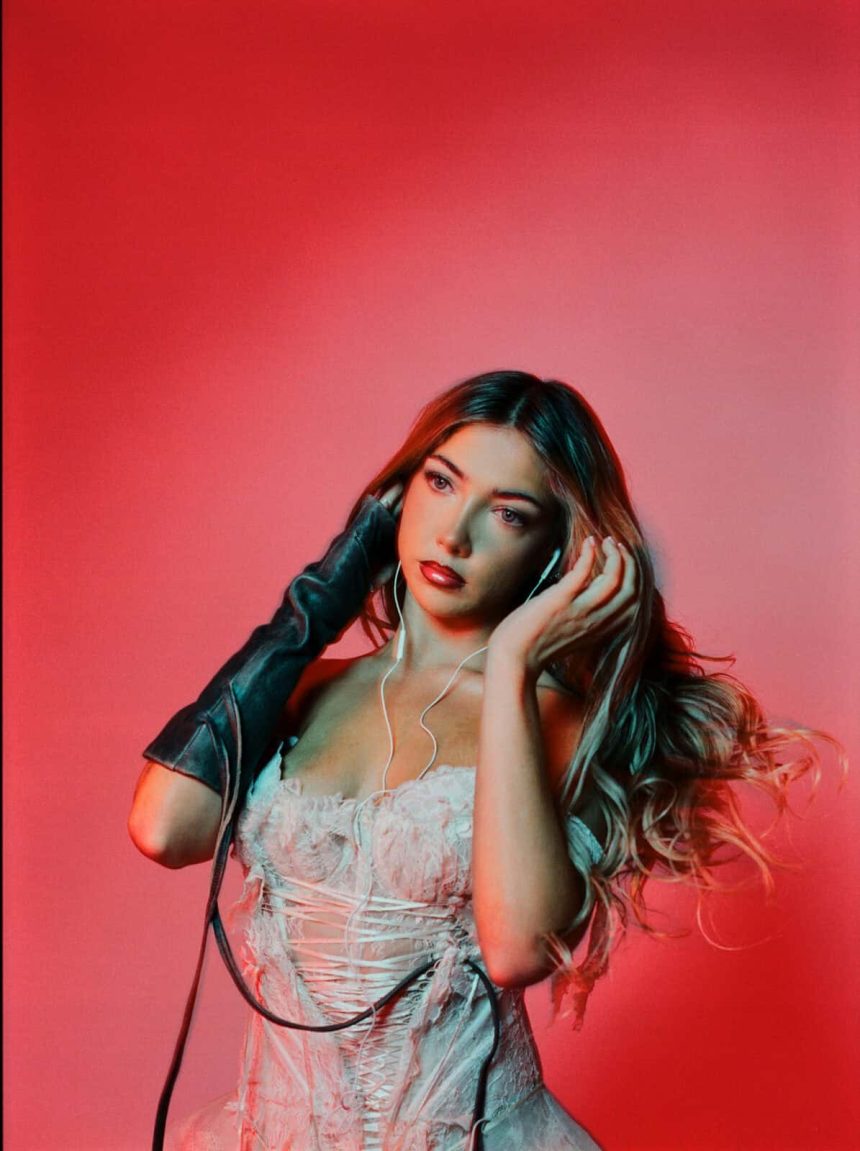
The atmosphere is unusually cozy for an interview setting. Charlotte, donned in a striking white corset and techy headphones wrapped around her neck, speaks with a refreshing candidness that makes you feel like you’re in on both her journey and her artistic vision. As we sit on the carpet floor of the Sony Music studios, she laughs about her vintage rave attire and muses with relief about the supportive reaction from online audiences: “Finally, the internet is on my side.”
Dismantling Stereotypes in Electronic Music
One of the first topics we delve into is the perception of women in electronic music. Charlotte asserts that while the scene is slowly changing, there’s still an overwhelming male presence that can skew public reception. She recalls last year’s All Points East festival, where female representation was scarce. “We see viral moments happen, but the comments often dismiss women as just seeking attention.” Her observation is poignant, highlighting a persistent challenge within the music industry that extends beyond just critical reviews.
Contrasting Identities: Vulnerable vs. Cyberpunk
The discussion shifts to her artistic persona. Charlotte remarks, “My music is almost like my armor.” While her sound may exude a tough, cyberpunk aesthetic, it’s rooted in emotional vulnerability. She likens her public persona to a duality, saying, “You’re one person in the studio and then a character on stage.” This inner conflict manifests in her music as a complex layering of gritty industrial tones with delicate atmospheres—a “vulnerable fairy” confronting the audience head-on.
Navigating Rapid Success and Imposter Syndrome
Charlotte made a swift transition from creating lo-fi demos during lockdown to performing with major acts and winning prestigious accolades. This lightning-fast rise has brought about feelings of imposter syndrome. “It gets confusing—are you chasing numbers or creating art? I felt the need to hone my own self and not let features overshadow me.” This quest for self-identification in an overwhelming industry resonates deeply, showing the struggle many artists face when seeking authenticity while also striving for commercial success.
Musical Influences and Inspirations
We discussed the music that shaped her. “Nevermind” by Nirvana, specifically the MTV Unplugged album, remains a profound influence along with Fleetwood Mac’s iconic “Rumours.” Her reference to these classic albums reflects a deep appreciation for music that transcends time. When asked about her breakthrough moment, she speaks of Rudimental’s album “Home,” which illustrated how electronic music could convey emotional depth, making her believe in the very essence of the genre.
Festival Culture and Humanity in Electronic Music
The conversation then turns to the current landscape of electronic dance music. Charlotte notes that while many festival performances hinge on DJ-heavy lineups, she strives to bring authenticity through her all-female band. “When I perform, I want it to feel like both a concert and a club experience.” This unique blend not only highlights her versatility but also serves as a collective movement for more female representation on prominent stages.
The Romanticization of Rave Culture
As an artist keenly aware of shifting cultural landscapes, Charlotte reflects on the perceptions of rave culture today. With the ramifications of lockdown still affecting nightlife, she observes how young people are largely romanticizing the club scene, often engaging with it from a distance through the internet. “Many have never experienced the thrill of a live show, making them less likely to crave it,” she laments—a poignant reflection on current cultural trends.
The Nature of Going Viral
In today’s world, where virality seems like the holy grail, Charlotte speaks candidly about her own experience. “It took four years to go viral. Accidental virality? It’s a myth,” she jokes. Her hit single “crybby blue” emerged serendipitously during a shoot, highlighting the role of spontaneity in the creative process.
If Not Music, Then What?
A surprising question leads her to ponder the unthinkable: life away from music. “It’s a sad thought,” she admits, envisioning a future where she’d likely find herself in fashion, desperately clinging to her art in secret.
Defining Electronic Music for the Ages
Charlotte employs a playful metaphor to describe electronic music: “It’s what occurs when electricity becomes emotionally overwhelmed.” This whimsical analogy illustrates her deep understanding of a genre that combines both technical precision and emotional richness.
Female Vocalists in Drum’n’Bass
Charlotte has made a conscious effort to distinguish herself from a long lineage of female vocalists in UK drum’n’bass. With a strong sense of identity, she emphasizes the importance of defining one’s own artistic world. “It takes time to establish that, but it’s crucial for authenticity,” she states, quoting Pink Pantheress on the significance of knowing one’s brand.
Exploring Emotional Depth in High-Energy Music
When asked about the emotional disconnect often found in contemporary high-energy music, Charlotte expresses concern for artists who may lack genuine emotional expression. The prevalence of writing sessions that prioritize commercial viability over authenticity is a glaring issue, one she aims to combat through her own work.
Embracing Emotional Vulnerability Through the Dance Floor
As she reflects on her music’s legacy, it’s clear that Charlotte Plank aims to be more than just a voice in electronic music. She desires her work to narrate the complexities of growing up in the UK, serving as a friend during both joyful club nights and solitary moments of reflection. “My music should be a haven to escape the everyday,” she explains, emphasizing her vision for blending intimacy with chaos.
Through her evocative storytelling, Charlotte Plank stands poised to be a powerful voice for a generation, letting her songs encapsulate not just the rhythm of the dance floor, but the heart of life.