
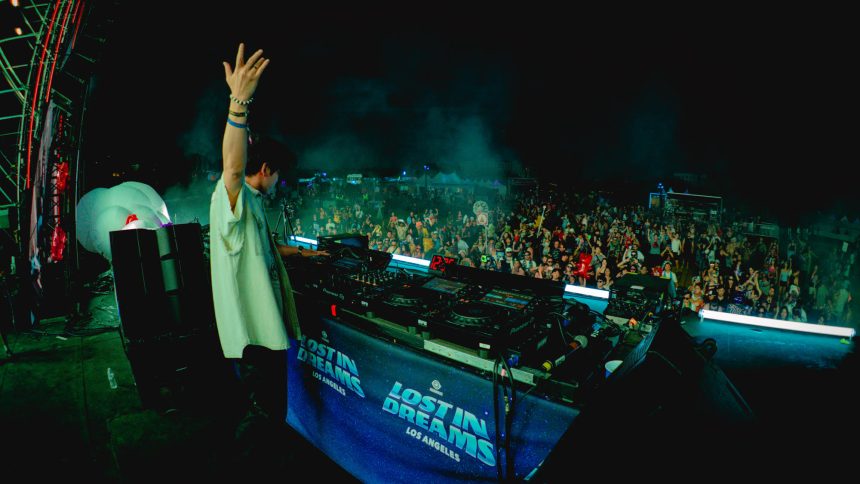

DJ Raiden has firmly established himself as one of South Korea’s premier electronic music artists. His career is a dynamic tapestry woven through festival main stages, club residencies, and compelling collaborations that bridge the worlds of EDM and K-pop. Initially, Raiden ventured into music through guitar, but a fascination with electronic production quickly captivated him. His performances have graced renowned events such as Tomorrowland and Ultra Music Festival, alongside his recent appearance at Lost in Dreams Festival in Los Angeles.
Raiden has released music through esteemed labels, including STMPD RCRDS and Protocol Recordings, and has garnered a reputation for fusing K-pop with global dance music. He is now exploring a new creative trajectory centered on tech house while continuing to advocate for K-pop within the EDM genre, serving as a key figure in expanding the reach of South Korea’s electronic music scene.
In Conversation with DJ Raiden
1. Can you share your story on what inspired you to become a DJ/producer?
Starting as a rock guitarist opened my eyes to the visceral power of music. My transition into electronic music came from an enduring fascination with how sound can evoke tremendous emotions through rhythm and melody. This curiosity blossomed into a passion for producing electronic music, which I found liberating. The lack of boundaries within electronic genres allowed me to merge my musical background with innovative technology, crafting something truly unique.
2. If someone never listened to your music before, how would you describe your style?
I would characterize my sound as a blend of melodic energy with an emphasis on the club experience. Lately, I’ve been delving into darker, groove-driven tech house while maintaining strong melodic elements and emotional resonance. My goal is for listeners to experience profound feelings as they dance, regardless of whether it’s at a festival or a club.
3. You’ve played some of the world’s biggest stages, from Tomorrowland Belgium to Ultra Miami and even the closing ceremony of the PyeongChang Winter Olympics. Which performance stands out as the most defining moment for your career, and why?
The PyeongChang Winter Olympics Closing Ceremony was undoubtedly the pinnacle of my career. Performing for such a global audience and representing my country made it an incredibly meaningful experience. It was more than just another gig; it was a moment that I will carry with me forever.
4. You’ve been at the intersection of EDM and K-pop for years. How does it feel to witness K-pop’s growing influence in the U.S. and the rising popularity of K-pop EDM?
It’s exhilarating! I remember when EDM and K-pop collaborations were still uncharted territory. Now, this fusion feels entirely organic, and audiences worldwide are embracing both genres simultaneously. I believe we’re merely at the start of this evolution, with countless creative avenues to explore.
5. You’ve collaborated with both EDM and K-pop artists. How does your creative process shift depending on the genre?
When creating with EDM artists, the primary focus tends to be building a powerful club anthem. In contrast, working with K-pop artists requires careful consideration of their unique identity, narrative, choreography, and overall performance. Though the approaches differ, the ultimate aim remains consistent: crafting music that resonates with listeners.
6. Earlier this month, you performed at Lost in Dreams. What did this festival and the Electrik Seoul stage mean to you personally?
Performing at Lost in Dreams felt incredibly significant, as Electrik Seoul embodies the vision of showcasing Korean electronic music and culture on a global platform. This was not just another performance; it represented an opportunity to share our roots and demonstrate Korea’s distinctive voice within the electronic music realm.
7. As more Korean artists make strides in the global electronic scene, what advice would you offer producers from Korea aspiring to break into the international market?
Focus on authenticity rather than chasing trends. Cultivating your personal musical identity and consistently producing music should be your primary focus. The digital landscape has made it easier for unique sounds to gain traction; if your music is genuine, it will find its audience.
8. Looking back on your career, what’s your proudest moment as an artist?
My proudest achievement is my ability to continue evolving. Each phase of my career has introduced new styles and perspectives, from progressive house to my current sounds. Remaining creatively active and unafraid to grow is what I cherish most.
9. What can fans anticipate from you for the rest of 2026?
This year marks the beginning of a new musical chapter with a focus on tech house and club-oriented tracks. I have some electrifying collaborations on the horizon that aim to further bridge electronic music and K-pop. Fans can expect a wealth of new music and performances to come.
10. When you’re not in the studio or touring, how do you like to unwind?
I find joy in discovering new restaurants, collecting instruments, and enjoying peaceful moments with family and friends. Traveling extensively not only serves as a source of inspiration but also allows me to absorb unique experiences, which inevitably influence my music.



