
The Hard Dance Evolution in K-Pop: A Shift in Sonic Identity
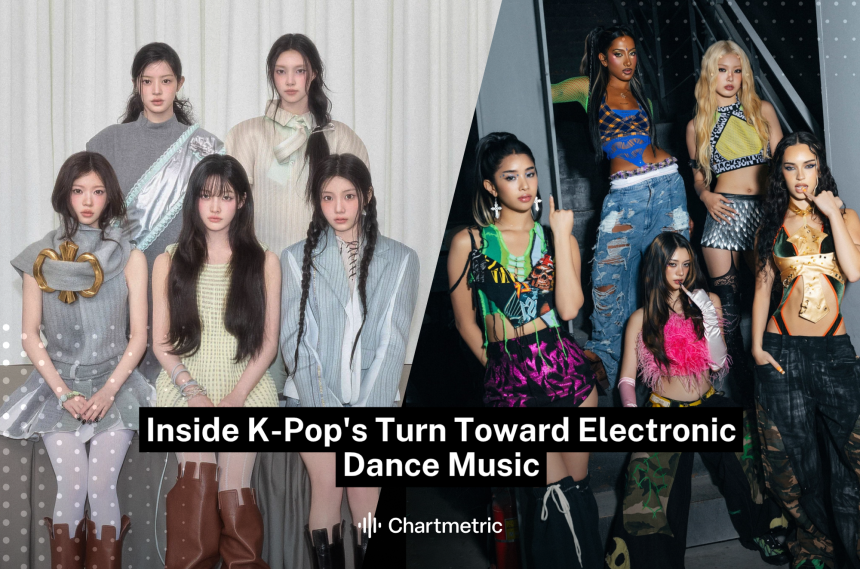
As KATSEYE’s exhilarating arena-rave world tour sweeps across America after thrilling audiences in the UK and Europe, an exciting transformation is taking place within the K-pop industry. Gone are the days when K-pop was primarily defined by sugary pop melodies and upbeat EDM hooks; we are now witnessing the birth of its hard dance era. This evolution was powerfully manifested during a recent performance at The O2 arena in London, where KATSEYE showcased a pulsating soundscape that introduced a bold techno vibe to an audience that, for many, was experiencing such intense beats in a live setting for the first time.
A Night of Energetic Redemption
On September 4th, KATSEYE — despite being two members short due to health issues — delivered a high-octane performance in support of their recently released EP. The highlight was a euphoric rendition of “PINKY UP,” a track that has rapidly climbed to 235.7 million streams on Spotify, merging catchy hooks with an adrenaline-filled rave atmosphere. The show culminated with a fierce reimagining of their viral hit “Gnarly,” resulting in a performance that stood apart from the typical K-pop concert spectacle.
Shifting Paradigms
KATSEYE isn’t alone in this dynamic pivot; other groups like LE SSERAFIM, BLACKPINK, ILLIT, and IVE have also embraced harder beats. Songs such as LE SSERAFIM’s “CELEBRATION” and BLACKPINK’s “JUMP” are transitioning from the mainstay EDM beats towards harder European dance styles, reminiscent of the infamous techno soundscapes found in venues like Berghain. Publicist David Lim notes that K-pop’s relationship with dance music has always been strong, but it’s now evolving toward grittier, more aggressive soundscapes. This shift allows for heightened choreography, essential for a genre so heavily reliant on performance aesthetics.
Factors Driving the Change
Multiple factors are influencing this surge towards hard dance music. Lim suggests the current global popularity of more intense electronic genres has opened the floodgates for K-pop artists to experiment. Mainstream influences such as Charli XCX’s work have initiated a revival in hard-edged sounds, a trend reflected in KATSEYE’s and aespa’s recent hits. With rising BPMs, artists are crafting dance bangers designed for euphoric crowd participation, particularly important in the context of international tours that resumed post-pandemic.
The intense beats provide exhilarating experiences for younger audiences, offering a cathartic release that aligns well with their inclination for faster tempos and higher energy levels. This evolution not only stimulates live performances but also serves as an entry point to the broader world of techno and electronic dance music for many fans.
An Industry in Transition
The intensity and sonic complexity of tracks like “PINKY UP” illustrate a desire for more than just the typical glossy K-pop sound. Its reception, with 1.88 billion TikTok views as of late September, underscores a division in opinions where critics are debating its artistic merit and connection to the evolving musical landscape. Publications like The Fader have launched passionate discussions on whether KATSEYE’s racing beats represent a natural progression or yield to the trending “TikTokification” of the music industry.
The shift in musical direction is timely, especially given recent critiques regarding K-pop’s future viability. ILLIT’s “It’s Me,” which was released shortly after such discussions, is gaining immense traction, clocking over 162 million streams on Spotify. Its success reflects the appetite for innovative sounds that push the boundaries of what K-pop can encapsulate.
A Future of Possibilities
Looking ahead, this hybridization of K-pop with hard dance styles shows promise in creating a broader cultural exchange within music. Lim advocates for more collaborations between electronic artists and K-pop idols to expand their respective audiences. Authentic partnerships can expose fans to diverse genres while allowing K-pop to maintain its core appeal. As the industry navigates this brave new world, it remains to be seen how these harder sounds will perform on global charts, but one thing is certain: K-pop is embracing its evolving identity with vigor and excitement.