Bridging Classical Training and Dancefloor Instinct: Lorna James’s Musical Journey
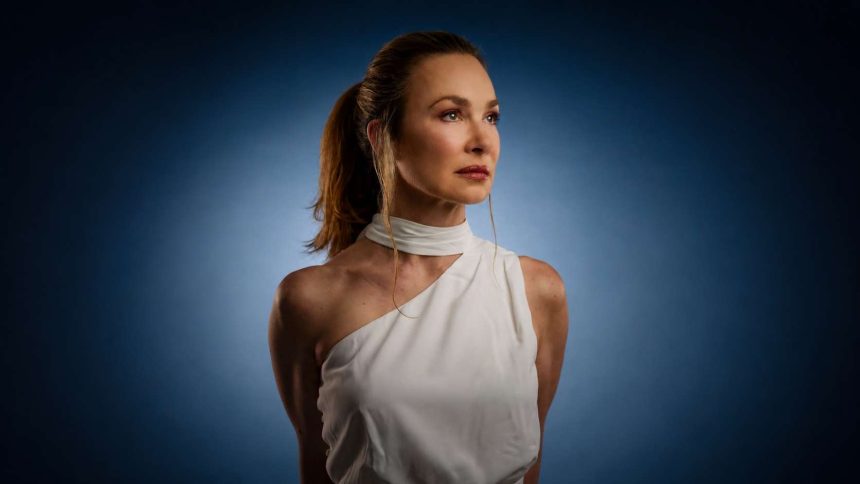
Classical training and dancefloor instinct often reside in separate realms, speaking their own distinct languages. Yet, artist Lorna James is on a mission to harmonize these two worlds, crafting music that resonates with a diverse audience. Her latest venture, The Right to Be Forgotten, is a 12-track album that exemplifies this fusion, navigating through genres like deep house, melodic house, and trance, while maintaining a strong foundation in piano, strings, and raw emotional songwriting.
- Bridging Classical Training and Dancefloor Instinct: Lorna James’s Musical Journey
- A Multi-Talented Artist
- Technology’s Role in Composition
- Lorna James’s Insight on Feels Like
- The Art of Transitioning Between Genres
- Learning from the Dance Floor
- The Concept of Memory and Identity in Music
- Challenges of Classical Composition in Dance Music
- Recognition and Its Impact
- Embracing Risk and Authenticity
- The Experience of Live Performance and Radio
- Creative Decision-Making in Production
A Multi-Talented Artist
Lorna James’s background is anything but ordinary. Before venturing into the music industry, she carved out a career as a human rights barrister. Coupled with her training as a pianist, composer, and DJ, Lorna brings a unique and multifaceted perspective to her music. The album draws on her experiences, transitioning from ambient compositions to the pulsating energy of dance music. Her approach uncovers the emotional nuances within electronic dance tracks, blending complex layers of sound with heartfelt lyrics.
Technology’s Role in Composition
In the realm of electronic music, technology can sometimes overshadow the essence of composition. However, for James, it’s about using production techniques to enhance rather than diminish her musical message. She emphasizes a disciplined approach to creativity, where subtraction becomes a vital skill. It’s about identifying the melody, hook, or emotional detail that can withstand the test of repetition and still forge a connection with listeners—whether they are in a club setting, tuning in to a radio show, or experiencing a live festival.
Lorna James’s Insight on Feels Like
One of the standout tracks from The Right to Be Forgotten, Feels Like, is designed to evoke a euphoric sunset moment while also harboring an emotional undertow. Lorna describes its origin as stemming from the heartbreak of being with someone who isn’t good for you. This duality—conveying joy and sorrow—embodies her artistic philosophy. The production successfully captures both feelings, allowing listeners to recognize that the euphoric dance floor moment is, in fact, rooted in personal experiences.
The Art of Transitioning Between Genres
Discussing the evolution of her sound, James notes that while her debut album Stratosphere focused on ambient music, her current work leans more into the dance genre. Despite this shift, she regards the harmonic language as constant. The same chords, strings, and pianistic sensibilities define both phases of her career. The key difference lies in intention and tempo; while ambient music is about sitting with emotions, dance music pushes for movement through those feelings, creating a signature sound that threads through both genres.
Learning from the Dance Floor
Lorna’s experience as a DJ has given her invaluable insights into audience engagement. She believes the dance floor reveals truths within the very first eight bars of a track. Unlike radio—which demands ideas to be distilled down to their essence in mere seconds—dance music challenges the artist to captivate the audience immediately while still allowing them to undergo an emotional journey. This nuanced understanding deepens her impact as both a musician and performer, fostering a connection that keeps listeners coming back.
The Concept of Memory and Identity in Music
The title of her album, The Right to Be Forgotten, reflects deeper themes of memory and identity. Although it originates as a legal term regarding digital privacy, it resonates beyond law into personal exploration. Lorna acknowledges that while one can erase many things from life, such as relationships or past versions of oneself, some memories linger. This profound realization motivates her to express the right to evolve, forgive, and ultimately progress as an individual.
Challenges of Classical Composition in Dance Music
Despite being trained in classical music, James acknowledges the difficulty in translating traditional composition styles into club-friendly arrangements. Classical writing often involves expansive arcs and intricate developments, whereas electronic music thrives on repetition and simplicity. The challenge becomes honing in on a singular, powerful musical phrase that resonates even as it loops for minutes, proving both challenging and rewarding.
Recognition and Its Impact
Feels Like recently achieved prominence as a Top 3 finalist in the UK Songwriting Competition’s EDM category, illuminating the song’s strengths before its official release. This recognition provided Lorna with an outside perspective on her work, highlighting the synergy between melodic, lyrical, and structural elements that appealed to both judges and potential listeners.
Embracing Risk and Authenticity
Leaving her legal career behind was a transformative decision. Tragedy in her personal life underscored the fleeting nature of time and propelled Lorna to pursue her passion for music more fervently. Reflecting on her identity, she sees music as something that has always been a part of her, and her commitment to it redefines her path as a creator.
The Experience of Live Performance and Radio
Beyond producing and recording, Lorna hosts a biweekly radio show, blending live performances with broadcasting. Each platform serves a unique purpose; live settings allow her to explore dynamics, tension, and release, while radio pushes for immediate impact. This duality enhances her understanding of audience interaction, making her more adept at connecting emotionally with listeners in various contexts.
Creative Decision-Making in Production
When crafting tracks aimed at festival crowds or sunset terraces, Lorna adheres to a meticulous creative process. It starts with tempo, where selecting 125 BPM strikes the balance between high energy and accessibility. She simplifies piano parts, letting them convey emotion without overwhelming listeners, while crafting vocal hooks that engage them instantly. These careful decisions allow moments of collective release without forsaking emotional depth—a hallmark of her artistry.
Lorna James’s journey illustrates the fascinating intersection of classical training and electronic dance music. Through her innovative approach, she has created a unique musical identity that resonates across genres, offering a fresh perspective on what it means to connect through music.