The Rise of Electronic Dance Music in Nigeria: A Sonic Revolution
Much of the work of curating a Nigerian electronic sound has been led by curators and enthusiasts employing experimentalist tactics. The landscape of Nigeria’s music scene has dramatically evolved, with rhythm and dance deeply embedded in its sociocultural fabric. Long before Afrobeats started dominating airwaves globally, the country’s populace craved a form of musical devotion, often turning to music as a means of escape from political and economic hardships.
The Confluence of Indigenous Sounds and Global Genres
Indigenous sounds have always been at the heart of Nigeria’s dance culture. As we entered the 2020s, the rise of Afrobeats and its adjacent genres found themselves coexisting with a burgeoning interest in a new musical expression: Electronic Dance Music (EDM). While EDM and House music have worldwide acclaim, their unprecedented presence in Nigeria introduces a fresh narrative.
Back in 2008, a forum on Nairaland discussed EDM’s nascent existence in Nigeria, drawing over 7,000 views. Responses revealed that there was hardly any footprint of these genres in the soundscape. Fast-forward to 2026, and EDM has seamlessly transitioned from a counterculture to a flourishing community that has carved its niche in mainstream Nigerian entertainment.
The Transformation of Music Devotion
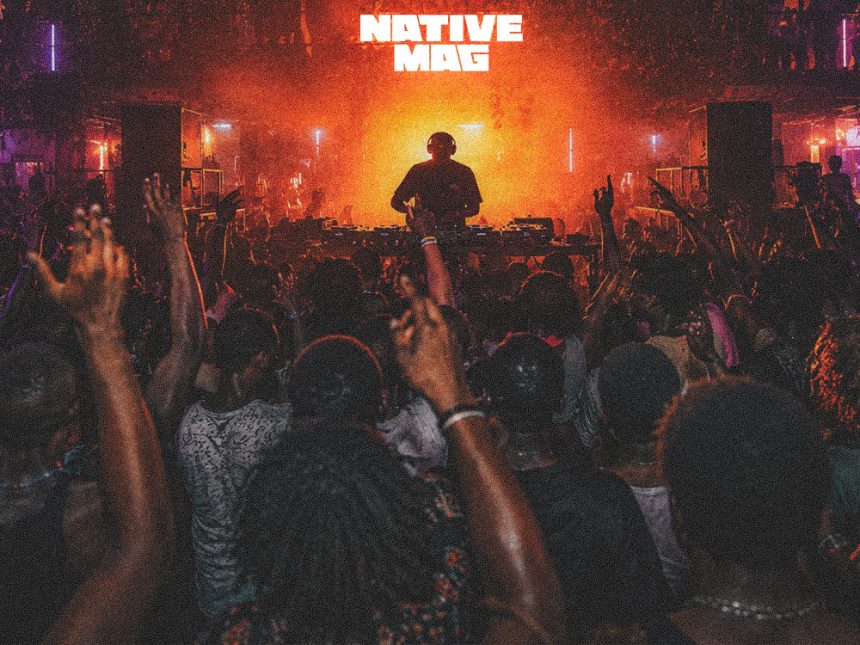
In urban centers like Lagos, the cultural heartbeat of Nigeria, the youth have begun to exchange traditional venues for raves, shedding inhibitions and embracing vibrant experiences at DJ booths. The adrenaline rush of traveling to neighboring states for EDM events adds to the sense of freedom and community, marking a significant transformation in how music devotion is perceived. A pivotal moment was Niniola’s release of “Maradona” in 2017, which catalyzed the EDM movement in Nigeria.
In the same year, the music duo Maze x Mxtreme returned to Lagos, aiming to promote the gospel of House and EDM. This confluence of mainstream acceptance and underground education about diverse EDM sounds has ignited the sonic revolution currently unfolding.
Understanding Dance Music
At its core, Dance music is designed to invoke movement, with regional sounds shaping its essence across cultures. EDM encompasses a wide variety of music produced using digital drum machines and synthesizers, serving as the backdrop for clubs, raves, and festivals. House music, a sub-genre of EDM, is renowned for its distinct four-on-the-floor beat and heavy basslines, typically clocking in between 115 and 130 BPM.
Despite its global popularity, Nigerian DJs and artists initially shied away from EDM due to unfamiliarity among local audiences. However, Niniola’s groundbreaking tracks like “Ibadi” in 2014 melded traditional African instruments with House production, creating a unique sound that broadened the scope of Nigerian music. Although her influence was initially limited, she laid the groundwork that would later allow Amapiano and Afro-EDM to flourish.
A Quick Evolution
Witnessing the dramatic shift from that 2008 Nairaland conversation to the current scene is astounding. Since 2022, the rise of user-generated EDM playlists on Spotify has soared over 350%, with streams of the genre increasing by 400%. This explosive growth reflects a cultural readiness for the genre and underscores how Nigerian artists are adapting and integrating EDM into their unique soundscape.
Today, raves have exploded across Lagos, providing young people with platforms to enjoy music in a vibrant, communal atmosphere.
Curators of the Electronic Scene
The burgeoning EDM community in Nigeria thrives on various forms of the genre. Collectives like Sweat It Out, which began as a private gathering, created a safe space for marginalized groups to revel in electronic music. Likewise, Element House has played an essential role in establishing EDM as a nightlife staple through well-curated events.
Founded in 2023, Group Therapy has made its mark by democratizing access to the dance floor, focusing on genres like Afrotech and Afrohouse. With events spanning Lagos to London, this collective showcases an impressive lineup of both local and international DJs.
Similarly, Monochroma, led by Blak Dave, has turned heads with projects like ‘The Third Step’, reflecting a desire to create enchanting electronic experiences. The contributions of DJs like Jamie Black, who released the ‘FLOW’ EP, further highlight the rich tapestry of the Nigerian EDM scene.
The Birth of Mara
As the EDM movement flourished, new sub-genres also emerged. The evolution into Street-Pop has introduced Mara, a chaotic yet captivating sound blending EDM elements with traditional Nigerian nuances. Producers like DJ Khalipha have coined the term “Street House” to encapsulate this unique style, which resonates deeply within local communities.
With a growing catalog of Mara music, Khalipha’s records like “Mara Pass Mara Beat” are dominating Spotify streams, while other artists like Azzi On The Beat have also gained traction with tracks that have become rave favorites.
Impact on Society and Economy
The emergence of EDM within Nigeria’s entertainment landscape has triggered significant social and economic ripple effects. It has broadened the musical palette available to artists and producers, fostering a creative atmosphere ripe for innovation. Events like raves have provided affordable yet high-energy alternatives to traditional nightlife, making music more accessible to the youth.
As Afropop ventures through its transformative phases, EDM paves the way for new opportunities and experiences. Yet, industry insiders like Melody Hassan emphasize the need for sustained investment in cultural tastemakers. Without focused efforts on intentional curation, the growth witnessed thus far may stall.
A Lasting Influence
The evolution of EDM in Nigeria has transcended mere trends, taking root as a legitimate part of the country’s vast sonic identity. From intricate layers of sound to vibrant communal experiences, EDM fosters a movement that places music as the cornerstone of cultural expression. As the community continues to expand, the transformative power of music remains a testament to freedom, creativity, and shared joy.