Exploring Group Therapy: A New Era of Rave Culture in Lagos
A Night to Remember in Lekki
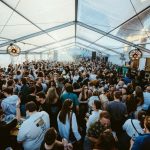
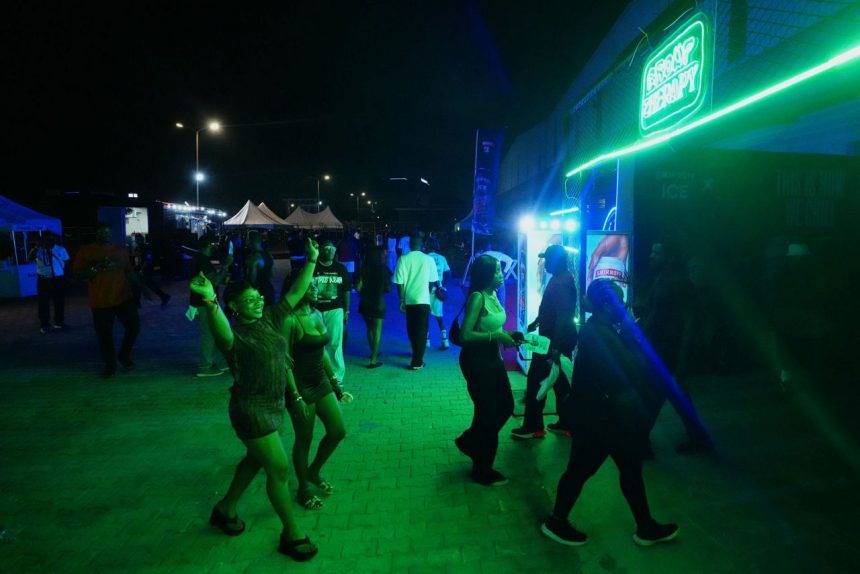
On a recent Friday night in Lekki, an upscale area of Lagos, thousands of young people gathered in a dimly lit auditorium. The atmosphere buzzed with excitement, illuminated only by flashing green strobe lights coming from the stage. This wasn’t just any gathering; it was Group Therapy, a rave party that has quickly become a phenomenon in Nigeria’s nightlife scene. Here, the focus shifts away from the high-stakes table culture to the simple joy of dancing and community.
The Shift from Table Culture to Rave
Traditionally, nightlife in Lagos has revolved around table culture—a competitive atmosphere where patrons vie for the most expensive drinks and premier seating. This trend has often alienated a younger demographic grappling with economic hardships, given the soaring costs associated with nightlife. Prices for a single bottle can range from 100,000 naira (approximately $72) to nearly a million naira, effectively pricing out many young Nigerians who wish to enjoy a night out.
At Group Therapy, however, the paradigm shifts. There are no tables reserved for the elite; instead, attendees dance shoulder to shoulder, united by the music and the moment. One ticket costs just 21,000 naira (around $15), making it far more accessible to the everyday partygoer. DJ Aniko, the founder of Group Therapy, echoes this sentiment: “We barely have spaces to just dance… Most places you have to make a reservation, or book a table, it is a lot more complicated.”
The Freedom to Dance and Connect
Yetunde Onikoyi, a 28-year-old rave enthusiast, reflects on her experience: “Ever since then, I have been hooked by the neck; it is like a chokehold. I always want to be here.” Her sentiment captures the growing appetite for raves as an antidote to the materialism that has defined Lagos’ club scene.
Cultural expert Oluwamayowa Idowu notes that these raves are a more democratic experience. “What this says is that people don’t have the purchasing power to sustain a club lifestyle. Raves focus more on you enjoying yourself as opposed to you performing enjoying yourself.” This evolution in nightlife speaks to a broader shift in societal values among Lagos’s youth, who are increasingly prioritizing authentic experiences over ostentatious displays of wealth.
The DIY Ethos of Group Therapy
Aniko’s commitment to preserving the essence of community and connection is evident in the structure of the rave. Unlike traditional clubs where musicians often dominate the atmosphere, the DJs at Group Therapy focus on creating a shared emotional experience among the attendees. “Once you are reliant on the mainstream industry for the music, the mainstream creeps into the space,” Aniko explains, highlighting the importance of independence in their musical choices.
The absence of VIP sections or a bottle-service hierarchy allows for a more egalitarian setting where everyone is on the same dance floor, immersed in the moment. Dayo Williams, a consultant who attended the rave, sums up the feeling: “Finding a place that still focuses on the human aspects of things, as against the materialism or need to amass as much as possible, is always a blessing.”
The Pulsating Beats of House Music
As the night stretches from late evening to early morning, the sound waves generated by DJs take center stage. The blend of high-tempo beats infused with African sonic elements has become a hallmark of the raves. Since the resurgence of South African musical genres in 2022, house music has increasingly resonated with Lagos’s younger audience, converting the rave scene into a vibrant cultural movement.
“It evokes feelings,” says Zia Yusuf, a content creator who attended Group Therapy. “You just connect to the music, and you connect to the music with other people who connect to the music with you.” Such emotional connections foster a sense of community that is often absent in more traditional settings.
Embracing Musical Diversity
Nigeria is a crucible for musical innovation, and the rise of raves like Group Therapy highlights a fascinating crossover of musical influences. Following significant global exposure, Nigerian artists have begun to adopt and adapt international sounds, including various electronic genres. House music has not only provided a fresh soundtrack but has also served as a conduit for cultural exchange.
DJ Aniko’s goal to keep the focus on community rather than individual success is part of a larger trend toward self-expression and inclusivity within Nigeria’s nightlife landscape. As raves continue to jam pack venues and stir excitement, they signal a vibrant shift away from the exclusivity of traditional clubbing to a more accessible and communal experience.
The Future of Rave Culture in Lagos
As Group Therapy and similar events grow in popularity, they create a space where people unite to escape the pressures of daily life and economic strain. With their evolving musical tastes and deepening desires for authentic experiences, Lagos’s youth are carving a new path in the city’s nightlife, one that embraces unity, connection, and most importantly, the freedom to dance.