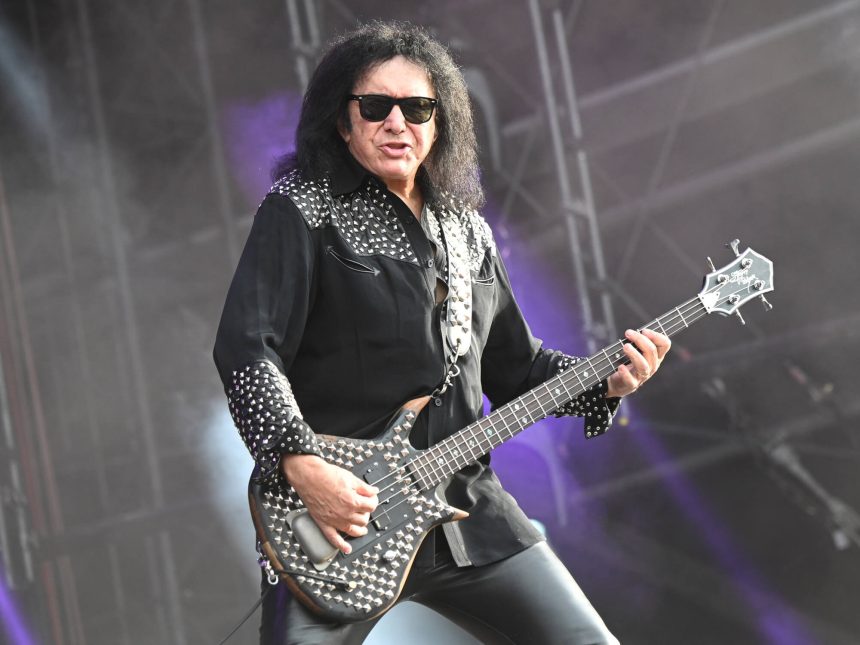
Gene Simmons Takes Aim at EDM
In a recent interview, rock legend Gene Simmons shared his thoughts on electronic dance music (EDM) and its DJs, taking a stance that many in the EDM community might find surprising. Simmons suggested that dance music lacks the musical skill traditionally associated with songwriting and live band performance. He derided the genre as creatively lazy, painting it as simple, repetitive “boop boop” music, contrasting it with the intricacies of crafting memorable songs full of melody, structure, and lyrical depth.
The Critique of Timelessness
Simmons makes a bold claim regarding the longevity of EDM when he states that it fails to produce timeless music. He points out that no garage bands are covering EDM tracks. To him, tribute bands pay homage to iconic acts like Queen or The Beatles, but not to artists like Skrillex or Calvin Harris. This absence of cultural reinterpretation and legacy highlights what he perceives as EDM’s superficial nature. While he acknowledges the electrifying energy of live EDM performances, his overall framing positions the genre as more focused on entertainment than genuine artistic expression.
“I love the passion and the fans taking cr**k and sticking it up their a**, whatever they do.”
The Impact of Dance Music
While it’s understandable that Simmons has his opinions, many would argue that his assessment overlooks the profound influence and emotional resonance of dance music. Consider the timeless tracks that have emerged from the EDM scene: from Avicii’s anthems like ‘Levels’ and ‘Wake Me Up’ to Swedish House Mafia’s ‘Don’t You Worry Child’ and Daft Punk’s ‘One More Time’. These hits have not only dominated charts but have also served as the soundtracks to countless memories and experiences for fans around the globe.
Diverse Sub-genres and Artistic Depth
Simmons may also be unaware of the rich tapestry of sub-genres within the EDM landscape: from Drum & Bass to UK Garage and Dubstep, these styles explore complex structures and push creative boundaries. While the DJ component might seem less demanding at first glance, the hours spent in production—meticulously crafting sounds, layering beats, and perfecting mixes—require artistic skill and dedication that can easily be overlooked.
Symphonic Interpretations
When it comes to playing EDM tracks live, traditional tribute bands may not cover them, but that doesn’t mean they lack artistic appreciation. Notably, the Symphony of Unity has beautifully reimagined iconic electronic tracks into symphonic experiences. This illustrates that while EDM may not inspire traditional bands, it has indeed reached far beyond its original medium, showing its potential for artistic reinterpretation. Additionally, lower-tier DJs continuously keep the classics alive, ensuring the younger generation connects with the foundational tracks that set the stage for today’s EDM.
Final Thoughts on the Debate
In essence, Gene Simmons’ critique may stem from a generational divide, reflecting a particular perspective on what constitutes “real” music. While he emphasizes the technical complexity of traditional songwriting, the evolution of music brings forth new forms of creativity. Dance music continues to thrive in its own right, with its energy and communal experiences inviting fans into a diverse sonic landscape. It’s essential to recognize that different genres have unique offerings and that the world of music is richer when we embrace them all.