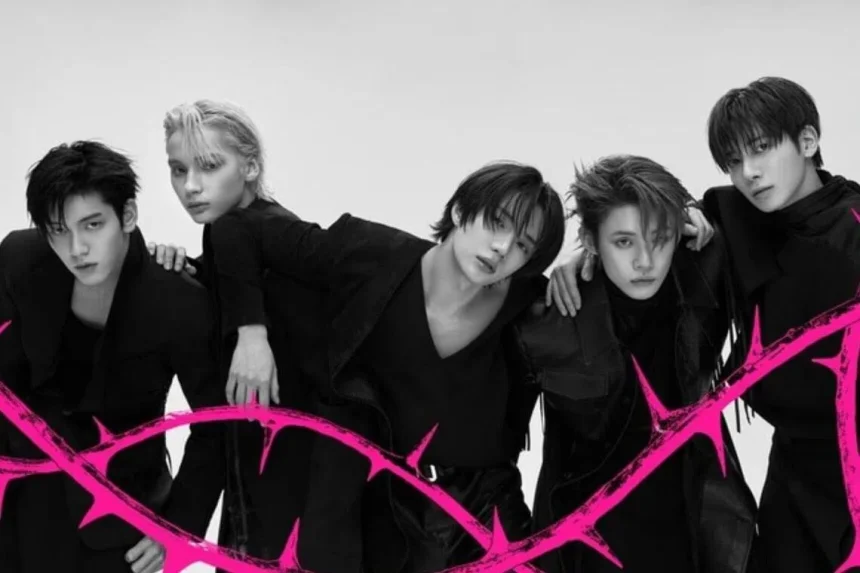
The Nostalgic Revival of K-Pop Dance-Pop
SEOUL – In recent years, the vibrant world of K-pop has been undergoing a fascinating evolution, with boy groups turning their attention back to the roots of dance-pop music. This trend is marked by a shift away from the short-form, social media-centric hook-based songs that have dominated contemporary charts. Instead, these groups are re-embracing traditional melodic structures and dramatic storytelling that defined K-pop in the early 2000s.
A Shift in Musical Groove
The landscape of K-pop has changed significantly, with a plethora of idol releases structured around catchy, brief hooks and mellow melodies designed for fleeting social media formats. However, a notable faction of male artists has begun to reclaim a more classic dance-pop ethos. This revival is anchored in emotionally charged melodies, strong song progressions, and clearly delineated verse-chorus-bridge formats.
Female Counterparts and The Electronic Wave
While K-pop girl groups like Le Sserafim, Illit, Katseye, and Izna have invigorated the genre’s electronic dance music scene with house and techno influences, male groups are forging a different path. This divergence has sparked a renaissance of the dance-pop formula that once ruled K-pop, leading to releases overshadowed by catchy beats and relatable themes.
Tomorrow X Together: A Heartfelt Nostalgia
One of the front-runners in this resurgence is Tomorrow X Together (TXT). Their lead track, “Stick With You,” released in April, harkens back to the emotional weightiness of early 2000s K-pop. Rather than banking on the typical synth-heavy production commonly found in current novelties, “Stick With You” prioritizes intricate vocal harmonies and a rich narrative arc. The song’s implementation of minor-key melodies and gradual emotional build-up resonates with fans yearning for depth.
BoyNextDoor and a Contemporary Take
In a similar vein, BoyNextDoor has also leaned into this nostalgic dance-pop revival. Their song “Viral,” the lead track from their debut album “Home,” unfolds with a measured introduction before layering additional instrumentation, thus creating a sweeping soundscape. The track’s robust structure includes a clear progression from verse to chorus, accompanied by a captivating hook and an energetic dance break, drawing tantalizing connections to the classic K-pop dance-pop of yesteryear.
Intentional Traditionalism
Jaehyun, the leader of BoyNextDoor, has articulated that this return to the fundamentals of K-pop was a conscious choice. During a press interview, he shared that the band aimed to reintroduce “classic grammar” into their music. They felt that the clear narratives and emotional peaks associated with older K-pop styles could feel rejuvenating when presented through their unique lens.
Commercial Success of the Revival
The commercial repercussions of this musical turn have been significant. Tomorrow X Together’s “Stick With You” achieved five music show wins and peaked at No. 2 on the Billboard 200 albums chart, while BoyNextDoor set a monumental record by selling over one million copies in its first week with “Home.” This success illustrates a growing appetite for a return to more fleshed-out song structures amid the current environment, which has been heavily influenced by social media dynamics.
Expanding Beyond Dance-Pop
This movement isn’t confined to dance-pop alone. Treasure, a boy group under YG Entertainment, has similarly walked this path with their impactful track, “If I.” This song takes inspiration from hip-hop’s foundational sounds within the K-pop sphere, steering clear of modern pop trends. The heavy beats and raw rap performances showcased in “If I” emphasizes hip-hop’s core appeal, which resonated powerfully with listeners, as evidenced by the track surpassing 100 million YouTube views shortly after its release.
Rebuilding Familiar Sounds
Music critics, such as Lim Hee-yun, note that while these artists are not merely trying to replicate earlier sounds, they are adeptly reconstructing familiar K-pop elements through contemporary production and stylistic innovation. For younger listeners, the traditional structures may offer a refreshing contrast to today’s trends. Meanwhile, older fans, who have grown up with the genre, experience a delightful nostalgia presented through a modern perspective.
As K-pop boy groups pave their pathway back to the roots of dance-pop, they are fostering a unique space where the nostalgic meets the new — creating an intricate tapestry of sound that both honors the past and embraces the future.