
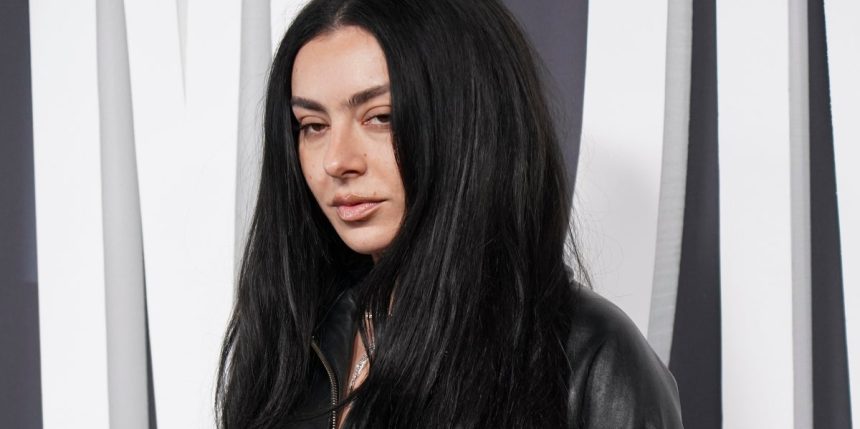
Charli XCX: Navigating the Crossroads of Creativity and Mental Health
Charli XCX, the pop sensation known for her boundary-pushing music and unique style, has recently opened up about the emotional challenges she faces amid the evolving landscape of her artistry. This discussion follows her bold statements about her forthcoming album, which represents a notable departure from her previous works.
A Shift in Musical Direction
Earlier this year, Charli XCX wasted no time stirring the waters of conversation during an interview with British Vogue. In this candid reveal, she expressed her intent to take a different musical approach with her upcoming album, borrowing from rock influences. Charli’s commitment to evolve is evident in her new single, “Rock Music,” where she provocatively states, “I think the dance floor is dead, so now we’re making rock music.” This bold statement reflected a desire to explore new creative avenues, yet it inadvertently sparked backlash from the music community and fans alike.
Backlash and Misinterpretation
Charli’s comment about the “dance floor being dead” did not sit well with everyone. It ignited a range of responses, with even the Queen of Pop, Madonna, reportedly chiming in. However, Charli took time to clarify that her lyrics weren’t a critique of the dance genre as a whole. In an interview with Rolling Stone, she emphasized, “My husband runs a dance-music label,” illustrating that she maintains a close connection to the very genre in question. She acknowledged the thriving state of dance music, pointing to artists like Slayyyter and PinkPantheress as indicative of its vibrant evolution.
The Weight of Public Discourse
The unexpected backlash surrounding her comments has weighed heavily on her. Charli admitted that the persistent discourse in light of her new project has been “very overwhelming,” and she’s currently in a space where her mental health feels fragile. “I am finding it tough to [navigate],” she candidly shared, expressing how the emotional tumult has led her to limit her online presence—a surprising move for someone usually comfortable in the digital sphere.
Personal Struggles with Mental Health
In her latest reflections, Charli revealed that she is grappling with mental health issues more intensely than ever before. She acknowledged, “I’m in the worst place mentally that I’ve been in my life.” This acknowledgment is crucial, as it sheds light on the high-pressure environment artists face in the public eye. The unique pressures of fame and the weight of public opinion can create a toxic feedback loop, affecting artists’ creativity and mental wellness.
Anticipation for “Music, Fashion, Film”
Despite the challenges, Charli XCX is gearing up for the release of her seventh studio album titled Music, Fashion, Film, set to premiere on July 24. In the lead-up to this release, she has been transparent about the reception of her lead singles, “Rock Music” and “SS26.” Rather than succumb to the criticism, she embraced the varied opinions by declaring, “I made an album and it’s really different from the last one. That is a fact. And I love it! And you might not, and that’s cool.”
This mature response signifies Charli’s growth as an artist. She recognizes that artistic evolution can lead to divisiveness among fans, but she remains unapologetic about her journey. “For me, it’s fun to flip the form. We know there’s gonna be people who are bothered by it, but that’s fine,” she encouraged, indicating her intention to push boundaries and explore new dimensions.
Embracing Vulnerability and Authenticity
Charli XCX’s journey exemplifies the importance of vulnerability and authenticity in artistry. By sharing her struggles, she not only humanizes the celebrity experience but also fosters a connection with fans who might be facing their own challenges. Her candid approach to discussing mental health issues sets a significant precedent for discussions surrounding emotional well-being in the music industry.
The Evolving Artist
As Charli navigates this phase of artistic transformation while contending with personal battles, she invites us to reflect on the evolving nature of music and the complex emotional landscape that artists traverse. Her story is a reminder of the intersection where creativity, mental health, and public perception meet—a space fraught with both challenges and opportunities for connection.



