DJ Reinier Zonneveld Raises Over $1 Million for GasLab: A New Era for Musicians in the Age of AI
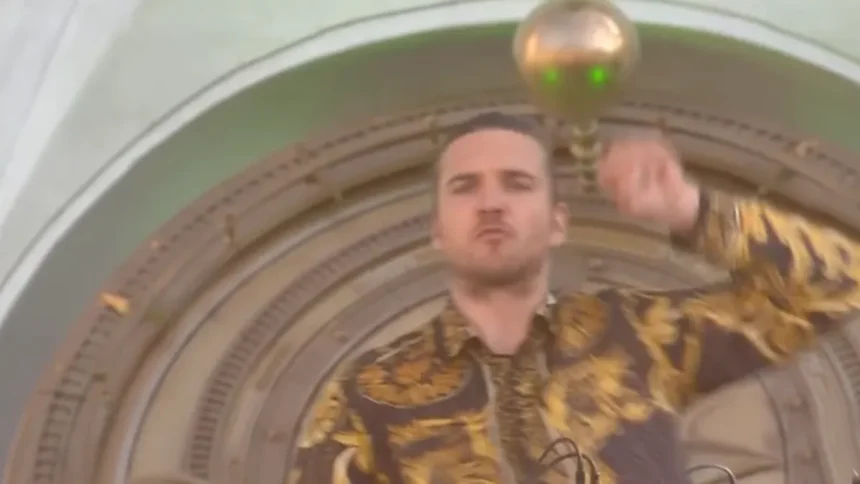
In a groundbreaking development within the music industry, renowned techno DJ and producer Reinier Zonneveld has successfully secured over $1 million in pre-seed funding for his innovative generative AI music app, GasLab (Generative AI Solutions Lab). This substantial financial backing signals a growing recognition of the need to adapt to the challenges posed by artificial intelligence in creative sectors while ensuring artists are recognized and compensated for their work. The announcement comes amidst ongoing discussions about the impact of AI technologies on the music landscape.
What is GasLab?
GasLab is designed with one clear mission: to empower musicians and ensure they receive fair compensation for their contributions within an era that often exploits creativity without adequate credit. By employing a proprietary system that utilizes fully licensed data, GasLab tracks and attributes the contributions of original artists whenever new AI-generated music is produced. This innovative approach allows for transparency and fairness, addressing a critical gap highlighted by many within the creative community: the current AI models that often take from artists without offering anything in return.
Funding Investors and Future Aspirations
The recent funding round brought in notable investors, including Eric Demuth, co-founder of Bitpanda, and Bas Beerens, founder of WeTransfer. Their involvement reflects a broader interest in establishing a sustainable and fair framework for generative AI in music. Zonneveld and the GasLab team plan to use this funding to develop the platform into what they envision as the leading global genAI music platform. At the heart of this vision is an ambitious goal: to build an attribution engine capable of serving other generative AI platforms, ensuring a ripple effect of recognition and compensation for musicians across the board.
The Technology Behind GasLab
GasLab is more than just another AI music generator; it boasts a complete end-to-end system designed specifically for musicians and music labels. The technology ensures that every artist who contributes to building GasLab’s AI model is credited for their work, revolutionizing how royalties and credits are handled in music creation. This level of traceability and accountability was largely absent from earlier AI projects, which often left creators in the dark regarding how their work was being utilized.
The Digital Notary: A Game-Changer for Artist Attribution
Central to GasLab’s operation is the “Digital Notary,” a proprietary model that tracks each AI-generated output against the catalogs of participating artists. This not only creates a permanent record of contributions but also assigns economic rights to artists whose work influenced the outcome of a generated track. Every song generated through GasLab carries a unique ID and a watermark that links back to the original artists, ensuring they receive a share of any revenue earned if their contributions lead to a successful track.
When GasLab generates income through subscriptions or music releases, the Digital Notary serves as the backbone for distributing revenue among all contributing artists. This new model stands to transform the relationship between AI technology and music, emphasizing an ecosystem where artists can thrive rather than merely survive in the face of technological advancements.
Reinier Zonneveld: The Visionary Behind GasLab
Reinier Zonneveld’s journey to founding GasLab is rooted in a rich musical background. Trained as a classical pianist from the age of three, he later ventured into electronic music production and founded the Filth on Acid label in 2017. His extensive experience in the music world, including achieving a Guinness World Record for the longest electronic music live set, positions him uniquely to navigate the intersection of music and technology.
Having worked with machine learning for the past eight years alongside his business partner Cas Luuring, Zonneveld developed his own AI model, R2, which he successfully integrated into his live performances. His academic background in economics and mathematics further fuels his passion for employing algorithms in music creation. Zonneveld emphasizes that at the core of GasLab is a commitment to ensuring artists are respected and compensated, stating, “The current state of generative AI has a major flaw: it takes from artists but gives nothing back.”
Engaging the Music Community
As GasLab prepares for its official launch, Zonneveld is actively inviting musicians, labels, and other rights holders to join its private testing phase. This initiative reflects GasLab’s commitment to engaging with the community and incorporating feedback to enhance its offerings. Musicians interested in being part of this transformative platform are encouraged to reach out for more information.
Sneak Peek and Promotional Campaign
In alignment with the upcoming Amsterdam Dance Event (ADE) scheduled for October 22-25, Zonneveld will be showcasing GasLab’s capabilities through a promotional campaign across the city. Participants can interact with a unique experience that allows them to generate music tracks based on their preferences and discover which artists contributed to these creations. This demonstration aims to illustrate the platform’s functionality and the groundbreaking possibilities that GasLab offers to musicians.
With its ambitious objectives and cutting-edge technology, GasLab is poised to redefine the way generative AI intersects with music, but what remains clear is Zonneveld’s unwavering commitment to prioritizing artists’ rights and compensations. In an era where AI continues to grow in significance, innovations like GasLab highlight the potential for technology to support, rather than undermine, the creative industries.
DJ Reinier Zonneveld Secures $1 Million Investment for GasLab, an AI Music Application