
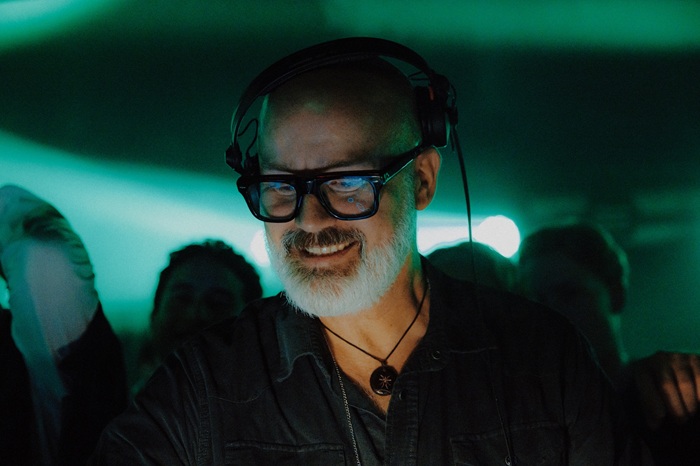
Norwegian producer and DJ Simon Field returns with “Danger,” a house record that cuts through precisely because it refuses to play things straight.
“Danger” showcases a unique blend of personality and technical prowess, emphasizing lively production over mere functionality. Featuring a sleazy spoken male vocal and warped late-night energy, this track encapsulates the essence of the club scene where spontaneity reigns supreme. The connection between fun and skill is palpable, making it an ideal contender for dancefloors where the unexpected is celebrated.
At its core, “Danger” is designed to reshape the environment of a DJ set, pulling listeners into a groove that’s loose, playful, and tinged with just a hint of chaos. Field’s approach contrasts with the often serious tone prevalent in deeper club music, bringing a knowing humor that invites smiles alongside those inevitable bass drops. The track is an ever-evolving experience, constantly opening up with unpredictable vocal fragments and arrangement choices that keep listeners engaged.

To delve deeper into Simon Field’s creative process, we engaged in a conversation with him about “Danger” and the philosophy behind his music.
Simon, “Danger” feels like a record that enjoys destabilizing people a little. Did you consciously want to push against the serious, controlled nature of much of the deeper club music today?
Absolutely. I wanted to create a house record that could spark a sense of danger again. Too many underground tracks are overly controlled and serious. For me, dance music should be all about creating smiles and surprising moments.
I aimed for “Danger” to have a distinct personality, reflecting artists like Mochakk, who bring humor and chaos into their music. I grew up loving names like Green Velvet and Fatboy Slim, who were unafraid to infuse weirdness and playfulness while still commanding the dancefloor.
There’s a notable sense of timing in the arrangement, especially at the midpoint switch-up. How much thought goes into those moments where the crowd suddenly reorients itself?
A huge amount! The idea stems from live DJing, where I observed how tempo changes affected crowd reactions. It’s an old-school trick that seems often overlooked in contemporary house music.
Before finalizing the arrangement, I created three different versions and tested them live to see how transitions impacted the dancefloor. Every shift was honed through real experiences; it took considerable time to get these right. I wanted them to feel emotional rather than gimmicky, drawing inspiration from DJs like Jamie Jones and Michael Bibi, who masterfully employ tension and contrast.
The track exudes a slightly sleazy yet playful vibe while being technically immaculate. Is there tension for you between keeping it raw and maintaining high production standards?
Definitely! Overproduction is a common pitfall in modern electronic music, and it’s something I actively resist. Testing ideas in clubs early on helps determine what really matters, as the dancefloor provides instant feedback.
I prefer using distortion and saturation to add grit and character instead of relying on dense arrangements. Most of the groove was shaped manually, which helps retain that element of unpredictability.
Your track has a narrative-driven structure compared to the typical functional club tracks. Do you believe dance music has become too risk-averse in its approach?
Oh, absolutely! The streaming era has pushed for safer arrangements as tracks are assessed almost instantaneously now. Many modern dance tunes seem to be engineered primarily for functionality rather than a strong sense of identity.
I recognized that “Danger” was a risk because it deviates from conventional tech house norms. If something feels familiar, it usually means I’ve missed the mark. Artists should feel compelled to explore their unique sound instead of chasing trends.
The spoken vocal gives “Danger” an intriguing yet ambiguous quality. What draws you to vocals that feel surreal or emotionally complex?
I’m drawn to vocals that evoke ambiguity. Clean vocals tell listeners exactly what to feel, while heavily processed ones create tension and space for interpretation.
In “Danger,” the vocal acts more as a textural element within the groove than a traditional standout melody. This creative direction adds a slightly otherworldly feel to the track.
There’s humor in “Danger,” yet it never stoops to parody. Why do you think humor remains a rare element in house music?
Growing up, Fatboy Slim was one of my biggest influences. His records merged humor and dancefloor dominance beautifully. That balancing act is challenging, but when achieved, it can create something timeless.
A lot of producers shy away from revealing their quirks or guilty pleasures, often due to an industry focus on “coolness.” But infusing humor and oddities into a track requires vulnerability, which can be intimidating.
You’ve had immense success both on streaming platforms and major labels. Have you felt pressure to smooth out those unique details as your audience has grown?
Definitely. I’ve had discussions with labels about making my sound more commercial, but I rarely yield to that pressure. Music is a deeply personal expression for me, hence my resistance to conform.
The most unforgettable club moments often emerge from unexpected occurrences. Was “Danger” inspired by specific dancefloor experiences, or was it more instinctual and experimental in the studio?
It was rooted in dancefloor experiences. Those surprise moments are memorable. Pitching records in my sets and observing the immediate crowd reaction was always enthralling. Realizing those shifts were central to my sets made me want to design a track that captured that dynamic energy.



