The Echoes of Gentrification: Life at McKibbin Lofts
The Duality of Living in the McKibbin Lofts
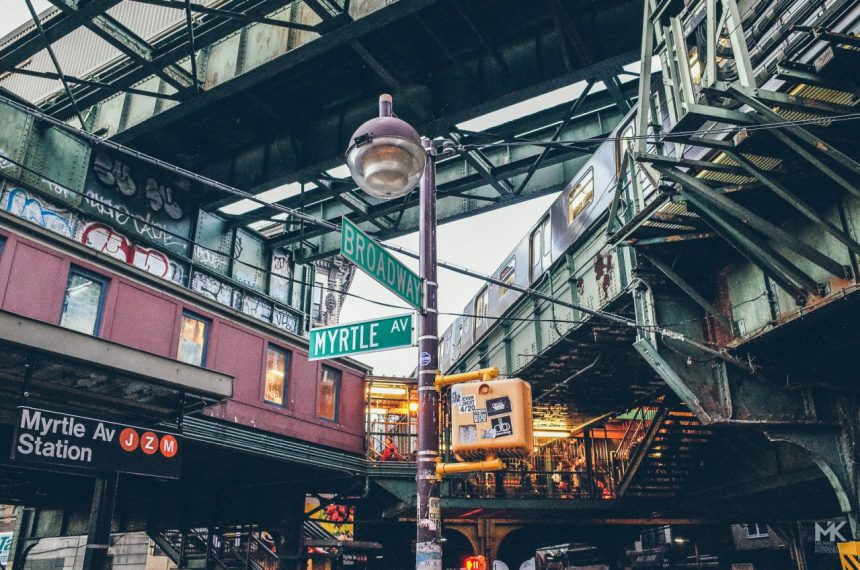
I have become something of a generational archetype, navigating a complex web of socioeconomic challenges. Despite my working-class roots, I find myself facing a harsh reality: the dream of homeownership—a distant echo. As I shared my experiences living in the McKibbin Lofts, those around me often raised eyebrows and offered friendly teasing. This former factory building, which once housed industrial workers, has transformed into a lively commune for artists, millennials, and party-seekers. To many, this space has become a symbol of Brooklyn’s evolution from a modest neighborhood to a vibrant nightlife capital.
- The Duality of Living in the McKibbin Lofts
- An Icon of Brooklyn’s Transformation
- Nightlife: The Heartbeat of Bushwick
- Gentrification: An Unfolding Drama
- The Nightlife Wars: An In-Depth Discussion
- The Significance of Expression in Nightlife
- Cultural Capital: The Internal Struggle of Community and Identity
- The Influence of Outside Perspectives
An Icon of Brooklyn’s Transformation
The McKibbin Lofts are a repository of stories, from rooftop pool parties to clandestine art exhibitions. My friend, an older queer, nostalgically reminisced about wild gatherings that filled the space with the sounds of impromptu bands and the chaos of overinhabited apartments. Parties on the roof still simmer with life, yet, in some corners, the quaint grittiness fights against a wave of gentrification. The building’s aesthetic—wooden floors strewn with cockroach carcasses and an eclectic mix of stylish eccentrics—captures the essence of a Brooklyn once marked by industry and immigrants.
This transformation echoes the broader narrative of urban gentrification. Initially propelled by artists and dreamers, the lofts drew fame as the geographic nucleus for Brooklyn’s nightlife scene, attracting tourists alongside locals. Yet, amid the transformations lurked more insidious changes, from rising rents to new culinary establishments selling luxury dishes, leaving original inhabitants grappling with the consequences of renewal.
Nightlife: The Heartbeat of Bushwick
Beyond the Lofts, Bushwick pulses with nightlife that acts as both a sanctuary and a spectacle. Neighborhoods rich with a blend of cultures house countless venues, including Market Hotel and the Happyfun Hideaway. With the pandemic forcing shutdowns, Bushwick’s nightlife retreated but roared back post-lockdown, boasting a renewed vigor. “Nighttime foot traffic” surged, with local journalists noting that the area had surpassed traditional nightlife hubs in its lively offerings.
The nightlife scene is often viewed through the lens of privilege, but it encapsulates much deeper social dynamics. It is not simply the escapades of overeducated, underpaid hipsters; it is a mosaic of queer identities, working-class lives, and cultural expressions. When gathering in Maria Hernandez Park, one can observe this juxtaposition—the vibrance of street parties amidst a backdrop of economic disparity. Hence, nightlife becomes both a refuge and a battleground against the encroaching forces of commodification.
Gentrification: An Unfolding Drama
As the neighborhood experiences a renaissance, the term “gentrification” often resurfaces, highlighting the inevitable clashing of old and new cultures. Initially emerging in the aftermath of the “urban crisis” in the late 20th century, artists and creatives flocked to areas like Bushwick. Though this was a revival, it also masked an unsettling undercurrent: the displacement of long-term residents, particularly working-class Latino families.
The socio-cultural melting pot now reflects a dichotomy—newcomers and established residents competing for limited space in a neighborhood that teeters on the brink of homogenization. As indie bookstores and art galleries replace corner bodegas, the question remains: Is Bushwick truly diverse, or are we witnessing the erasure of its original tapestry?
The Nightlife Wars: An In-Depth Discussion
As nightlife burgeoned, the emergence of spaces like Market Hotel and Once Upon a Time revealed the internal battles surrounding ownership, representation, and occupation. The evolving nightlife, once characterized by underground raves, is now scrutinized for its exclusivity—a phenomenon driven by capital flows that often overlook marginalized voices. The historical roots of nightlife are intertwined with radical movements, yet the current scene is distinctly contrasting in its commodification.
Inclusivity remains a challenge, as newer parties often attract a steadily whiter, wealthier clientele. Initiatives to bridge gaps, like offering reduced entry fees for marginalized communities, have sparked contentious debates. Complexities arise in ensuring that spaces remain safe and welcoming, while simultaneously navigating criticism for gentrification’s role in their existence.
The Significance of Expression in Nightlife
In recent years, nightlife began to attract the attention of thinkers and writers who explore its connections to social movements. The distinction between spaces as purely commercial ventures and as possible sites for mutual aid and community-building begins to fade. Notably, essays such as Hannah Baer’s “Dance Until the World Ends” consider these themes, activating discussions around nightlife as a potential vehicle for social change.
Both utopian dreams and stark realities persist within the nightlife landscape. On one hand, the narrative is shaped by escapist ideals, dazzling lights, and dancefloors filled with vibrancy. On the other, it’s distressed by the commercial and political forces that render spaces untouchable for those who truly draw their energy from them.
Cultural Capital: The Internal Struggle of Community and Identity
While the discussions surrounding nightlife often gravitate toward white, cisgender perspectives, the evolution of identity has led to the rise of “identity-forward” parties that celebrate queer and marginalized communities, proving that nightlife can be space for both expression and resistance. Examples include unique events like Bubble_T, which cater specifically to queer Asians, and others designed for Latinx, transgender, and nonbinary individuals.
As gentrification unfolds, these parties illuminate the complexities of identity politics within communities—challenging the conventional nightlife narrative while becoming cultural capitals in their own right. They serve both as a platform for celebration and a reminder that the battles for visibility and recognition are ongoing.
The Influence of Outside Perspectives
One can still find refuge in the local spaces create their own histories and legacies while confronting broader dynamics of race, class, and capital. It’s intriguing to witness how global influences seep into local scenes. While writers delve into the cultural implications of underground nightlife in Brooklyn, a parallel discourse arises exploring the vibrancy of global rave culture—from rhythmic gatherings in Brazil to the industrial echoes of Germany’s techno landscape.
While the exploration of nightlife has become a focus for many, the underlying struggles for authenticity and connection serve as a potent reminder that its allure transcends mere escapism. The very act of gathering to dance, to sweat, to share stories becomes imbued with cultural significance, affirming the power of collective experience in shaping our identities and affirming our existence within urban landscapes.
Through this lens, the evolution of nightlife extends beyond individual experiences – it’s detailed in a narrative that complicates and enriches our understanding of the changing landscape of Brooklyn. The elements of resistance, creativity, and community pulse through the cracks and crevices of history, encapsulated in the paradox of occupying spaces that are fleeting yet deeply resonant.
The story of the McKibbin Lofts and Bushwick reveals a struggle against the tides of a rapidly shifting urban environment, where individuals seek to carve out their narratives amidst an increasingly commercialized backdrop, each beat echoing the stories of those drawn to the dancefloor of life.