Luminate’s 2026 Midyear Report: Key Insights into Music Trends
In Luminate’s annual midyear report for 2026, several significant trends have emerged in the music landscape that reveal shifting listener preferences and emerging genres. Most strikingly, while R&B and hip-hop maintain their status as the biggest streaming genre in the U.S., they are gradually shedding some of their market share. Meanwhile, dance and electronic music are experiencing a surge, and physical sales, particularly of CDs, have made a surprising comeback among younger audiences.
R&B/Hip-Hop: Dominance Despite Decline
R&B and hip-hop are currently leading the way in U.S. music streams, accounting for approximately one out of every four streams. However, this genre has been on a downward trend, experiencing a 1.6% drop in market share since mid-2025. Genres like dance/electronic, country, and Latin music have been steadily growing, with each carving out a larger piece of the audio landscape. This erosion is notable on the Billboard 200 albums chart, where R&B and hip-hop’s equivalent market share has declined sharply, falling from over 40% in early 2023 to around 30% by mid-2026.
The Rise of Dance/Electronic Music
The first half of 2026 saw dance and electronic music growing the fastest among all genres, with an impressive 18.9% increase in on-demand audio streams. This boom has been fueled by contemporary artists such as John Summit and Disco Lines, but it’s also partly due to a revival of dance tracks released between 2015 and 2017, which have resonated deeply with listeners. Alongside this growth, world music also gained traction, boasting an 11.9% increase year-over-year, indicating a diversification in listener interests.
Nostalgia Reigns in Rock Music
Interestingly, rock music listeners are leaning heavily towards older tracks, with a staggering 75% of rock streaming coming from songs over five years old. This marks a 5% increase in deep catalog listening compared to the previous year, underscoring a certain nostalgia for classic rock. Despite a lack of mainstream chart-toppers this year, Noah Kahan’s “The Great Divide” achieved notable success, emphasizing that even in quieter creative seasons, rock remains a staple genre.
K-Pop’s Impact on Physical Sales
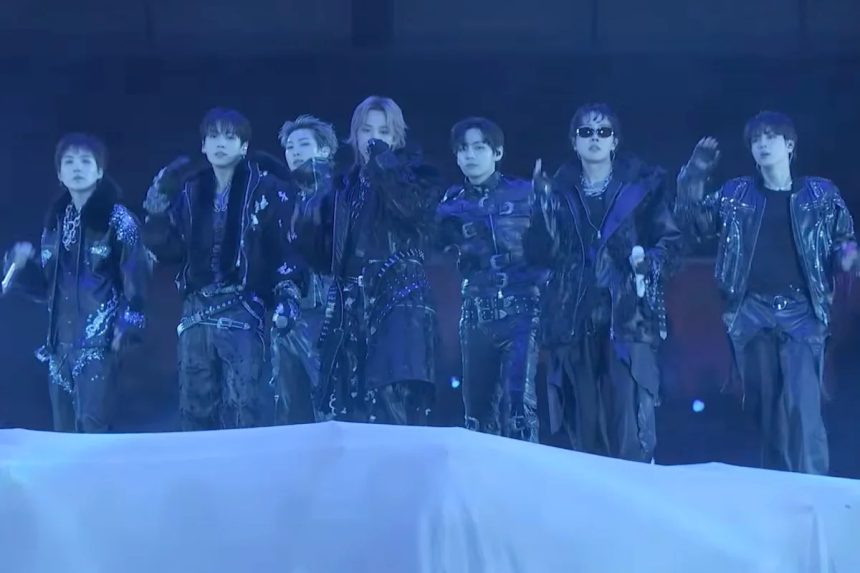
One of the more unexpected revelations from the report is the significant role K-pop is playing in revitalizing the physical music market. CD sales surged by 16% in early 2026, largely because of K-pop acts like BTS and ATEEZ, which are driving sales at major retailers like Walmart and Target. Independent stores have seen their share decline from 36.6% to 32.1% in a single year due to these giants capitalizing on exclusivity and broad consumer access.
The Growing Market for CDs
Despite the decade-long trend toward vinyl, it appears that CDs are making a resurgence, particularly among younger fans who prioritize aesthetic ownership and supporting their favorite artists through physical merchandise. Luminate notes that many Gen-Z and millennial buyers of CDs do not even own a player, highlighting a desire for tangible items rather than functional media formats. Without K-pop albums included in the analysis, overall CD sales would have seen a more modest increase of 6.7%, still indicating a notable shift in how younger audiences value physical music formats.
The Evolving Language of Music
Simultaneously, there’s a notable shift in music preferences defined by language. English-language streaming has slightly dipped, dropping from 88.1% in 2025 to 87.1% in the first half of 2026. This decline is largely attributable to a significant increase in streams of Spanish-language music, bolstered by Puerto Rican superstar Bad Bunny’s widespread acclaim and performances. Latin music is notably moving from a niche market to becoming part of mainstream culture in the U.S., fueled by a growing audience of casual listeners.
British Artists Finding a Home in the U.S. Market
U.K. artists are increasingly making their mark in the U.S. music scene, with streaming share growing from less than 7% in 2024 to 7.8% as of mid-2026. New faces like Olivia Dean and established names like Charli XCX are contributing to this upward trend in British influence on American airwaves, signaling an exciting cross-pollination of musical styles.
AI Music Trends
AI-generated music is still in its infancy, but it’s beginning to make waves. Luminate’s findings reveal that several AI-generated tracks are catching the attention of listeners, with notable hits like Breaking Rust’s “Livin’ on Borrowed Time” topping the streaming charts. There’s a burgeoning acceptance among musicians toward AI tools, with more than half expressing positive feelings towards their incorporation into the creative process, despite some controversies surrounding copyright and ownership.
With these varied insights, it’s clear that the landscape of music consumption is as dynamic as ever. The rise of new genres, shifts in physical sales, linguistic diversity, and technological advancements all paint a fascinating picture of a culture constantly in flux. As we look ahead, understanding these trends will be crucial for artists, labels, and enthusiasts alike.